
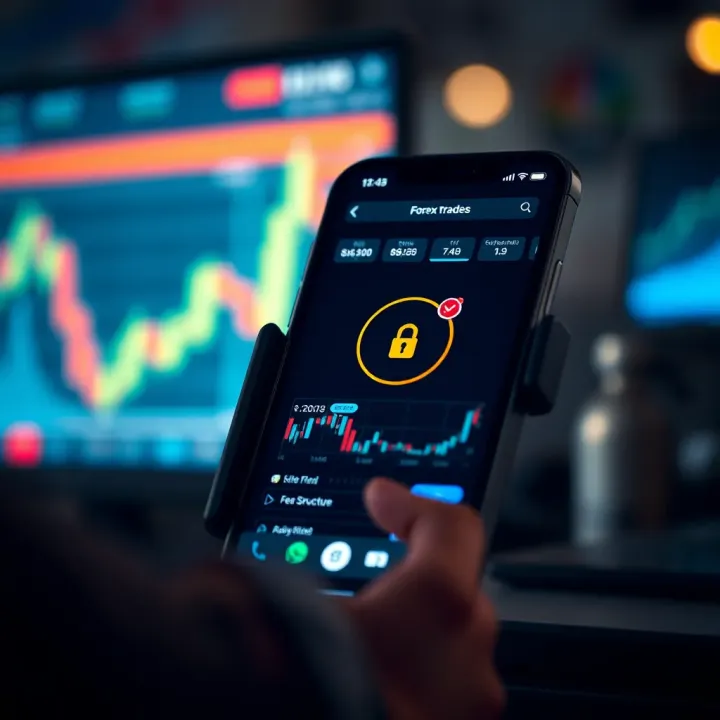
Top Forex Trading Apps for Indian Investors
Explore top forex trading apps for Indian investors 🇮🇳. Compare fees, security, features, and regulation to pick the best platform for trading global currencies on your mobile.
Edited By
Isabella Foster
Forex trading has become increasingly popular among Indian investors keen to tap into the global currency markets. With the rise of mobile technology, forex trading apps have simplified the way traders buy and sell foreign currencies. These apps provide convenience, real-time data, and quick execution of trades right from your mobile or tablet.
For Indian users, choosing the right forex app is critical, not just for ease of use but also due to regulatory considerations and the need for secured transactions. Several apps offer features tailored to Indian traders, such as support for rupee transactions, compliance with the Reserve Bank of India (RBI) guidelines, and integration with familiar payment platforms like UPI and NEFT.

Key features to look for include live currency quotes, technical analysis tools, seamless order placement, and risk management options. Many apps also offer customizable alerts and educational resources, which benefit both beginners and experienced traders.
When selecting a forex trading app, verify its regulatory status with the Securities and Exchange Board of India (SEBI) or RBI to ensure your investments are secure.
Costs and fees vary across apps, including spreads, commissions, and withdrawal charges. Some popular platforms in India include Zerodha's Kite for forex trading, ICICI Direct, and Kotak Securities, all of which offer reliable services with user-friendly interfaces.
Understanding these aspects helps Indian traders navigate the complexities of forex trading efficiently. This guide will walk you through the different types of forex trading apps, their features, associated costs, and how to pick one that suits your trading style and needs.
By the end of the article, you’ll have a clear sense of which app fits your trading habits and how to manage regulatory and cost considerations while aiming for better trade outcomes.
Choosing the right forex trading app can significantly impact your trading success. Understanding the key features to look for helps you select a platform that matches your trading style and needs. For Indian investors, who often balance currency fluctuations with domestic market conditions, these features become even more relevant.
An intuitive user interface ensures that you can execute trades swiftly without fumbling through complicated menus. A clean layout with clear navigation matters, especially when trading on the move using a mobile device. For instance, apps like Zerodha Kite are popular due to their neat dashboards that simplify order placement and portfolio tracking. Easy customisation options, such as favourite currency pairs and watchlists, also improve usability.
Access to live market data and interactive charts is critical for timely decision-making. Without up-to-date quotes, traders may risk missing opportunities or facing slippage. Apps should offer multiple chart types—candlestick, line, bar—along with timeframes from minutes to daily or weekly views. MetaTrader 4 and 5 provide robust charting tools, including zoom and pan features that help analyse price movements quickly during volatile sessions.
Forex trading relies heavily on technical analysis. A good app must include a wide range of indicators such as moving averages, RSI (Relative Strength Index), MACD (Moving Average Convergence Divergence), and Bollinger Bands. These tools help identify trends, momentum, and potential reversal points. Apps that let you apply multiple indicators simultaneously and save chart templates can boost your analytical efficiency.
Speed is the name of the game when forex prices fluctuate rapidly. An app with fast order execution means you can enter or exit trades at prices close to what you see on the screen. Any delay can translate to losses. Equally, the app should be reliable with minimal downtime. For example, Upstox Pro offers robust servers and order routing to ensure trades are executed without hiccups, which is vital during high-impact economic announcements.
When selecting a forex trading app, prioritize features that facilitate quick, informed decisions while ensuring reliability and ease of access. This balance can make a substantial difference in your trading outcomes.
Considering these key features carefully will help you pick apps that suit your trading approach, whether you're a cautious investor or an active day trader. Look beyond just flashy interfaces—focus on tools and performance that matter in real-world trading.
Mobile apps have transformed forex trading by making it more accessible and manageable for Indian investors. These apps bring the global currency markets right to your fingertips, letting you trade whenever and wherever you want. Instead of being tied to your desktop or office, you can react quickly to market changes on the go, which is especially useful in the fast-moving forex market.
The biggest advantage of forex trading mobile apps is their ability to connect you to the markets 24/7. Because forex operates across time zones, opportunities can arise at odd hours. For instance, when the Tokyo session ends and London opens, currency pairs can quickly shift. With mobile apps like Zerodha Kite or MetaTrader 4, you get instant access to trade on your phone, even while commuting or during short breaks. This flexibility is key to taking advantage of market movements without delay.
Managing risks quickly can save you from big losses. Mobile apps offer tools like stop-loss and take-profit orders, letting you set limits upfront. For example, if you buy the USD/INR pair at ₹75, you can place a stop-loss at ₹74.50 to cap potential loss. Some apps even allow trailing stops and margin management, helping you control exposure easily. These features are designed to make risk control straightforward, even if you are new to forex trading.
Forex markets can change rapidly, and missing out on real-time information can cost you. Trading apps send alerts for price changes, economic news, and order executions. For instance, an app might notify you when the RBI announces a policy change affecting the rupee. Timely alerts let you act immediately, whether to enter or exit positions. This responsiveness is essential for traders who rely on swift decisions to protect profits or cut losses.
Using a mobile trading app means you're carrying a powerful toolkit in your pocket — from market access to risk controls and timely alerts.
In sum, mobile forex apps offer Indian traders convenient access, effective risk management, and real-time notifications. These features together help traders stay in better control and respond swiftly to the dynamic currency market.

Choosing the right forex trading app depends heavily on your trading habits, preferences, and the level of control you want over execution. Indian investors have access to various app types, each tailored to different needs. Understanding these categories helps you pick a platform that fits your strategy and comfort with forex markets.
These apps are offered by individual brokers, designed to provide a seamless trading experience within their ecosystem. For instance, ICICI Direct and Zerodha Kite have their dedicated forex trading apps, letting traders manage currency pairs alongside stocks and commodities. The advantage here is tight integration with your brokerage account, typically ensuring lower latency in order execution and direct access to the broker's research and support. Indian traders often prefer these apps for reliability and simplicity, especially if they've already invested in a broker’s other services.
Multi-broker apps gather trading options from several brokers into one interface. Apps like MetaTrader 4 and MetaTrader 5 stand out here, widely used by Indian forex traders. These platforms allow you to connect multiple broker accounts, compare live prices, and execute trades across providers without jumping between different apps. Such platforms are great for experienced traders who want to diversify their broker relationships or access a wider range of currency pairs. However, it requires a bit more familiarity with the interface and settings.
Social trading apps have grown popular, especially for beginner or time-constrained traders. Apps like eToro or ZuluTrade let you follow top traders, copying their strategies automatically. This helps Indian investors learn market moves without doing much manual analysis themselves. These apps foster community interaction, allowing you to discuss trends and strategies openly. That said, while copy trading simplifies entry into forex, it’s wise to monitor trades since market conditions in India and abroad can change quickly.
Selecting the right type from broker-specific, multi-broker, or social trading apps depends on your trading expertise, desire for control, and how hands-on you want to be. Each offers practical benefits suited to different trading styles and goals.
To wrap up, Indian traders must balance convenience, cost, and control when picking a forex trading app. Broker-specific apps give assured support and integration, multi-broker platforms provide flexibility across brokers, and social trading apps offer learning alongside automation. Choose based on what matches your trading plan best, ensuring the app complies with regulatory standards to protect your investments.
Trading forex through reliable apps is essential for Indian investors who want quick access to global currency markets with practical tools and security. Popular apps combine functionality with user-friendly design, supporting both newcomers and seasoned traders in making informed decisions efficiently.
MetaTrader 4 (MT4) and MetaTrader 5 (MT5) are global favourites among forex traders, including Indians, thanks to their advanced charting capabilities and broad toolsets. MT4 focuses on forex and CFDs trading, offering multiple timeframes and automated trading through Expert Advisors (EAs). MT5 expands with more asset types like stocks and futures and supplies additional technical indicators and an economic calendar. Both apps allow custom indicator creation, handy for traders following specific Indian market events or global economic news.
Zerodha Kite, primarily known for equity trading, also supports currency trading through its seamless interface. It integrates well with Zerodha’s back-end infrastructure, ensuring fast order execution and real-time updates, which is vital for forex markets' volatility. Using Kite, traders benefit from easy fund transfers linked to Indian bank accounts and comprehensive reports that help track currency positions alongside equities and commodities.
Upstox Pro caters to active Indian traders seeking intuitive navigation with robust charts and technical indicators. Its forex trading feature includes order types like stop loss and bracket orders, helping control risk effectively. Additionally, Upstox offers competitive brokerage rates, which appeal to frequent traders keeping an eye on costs. The platform sends timely market alerts, ensuring users don't miss crucial moves in forex pairs.
Besides the big names, Indian traders may explore apps like Angel Broking's trading platform, which provides forex along with multi-asset trading and research insights tailored to the Indian context. Another option is 5Paisa, known for its low-cost trades and simple mobile interface. Also, international apps like IQ Option and eToro attract Indian users offering social trading and copy-trading features, which allow learning from successful traders worldwide.
Choosing the right forex trading app depends on individual needs such as cost sensitivity, user experience, and access to research tools. Indian investors should test multiple platforms via demo accounts before committing real capital.
By understanding the strengths and unique features of these popular apps, Indian traders can pick solutions best suited to their style and needs while navigating currency markets efficiently and safely.
Forex trading in India operates within a tightly regulated framework set by key authorities like the Reserve Bank of India (RBI) and the Securities and Exchange Board of India (SEBI). For traders here, understanding these rules isn’t just a formality — it’s vital to safeguard your investments and ensure compliance with Indian laws.
The RBI strictly regulates forex trading to prevent illegal currency exchanges and protect the country’s financial stability. Indians can legally trade only in currency pairs that include the Indian rupee (INR) on recognised exchanges such as NSE or BSE. Any trading involving foreign currency pairs outside this framework, especially through overseas brokers, is prohibited and can attract penalties.
SEBI plays another role by overseeing intermediaries like brokers and trading platforms. Its regulations aim to ensure transparency, fair practices, and investor protection. For instance, SEBI mandates that brokers registering in India maintain a minimum net worth and have systems for grievance redressal. Traders should check that their chosen brokers comply with these rules.
Ignoring these regulations can lead to blocked accounts, legal troubles, or loss of funds. Staying informed about RBI and SEBI guidelines helps you trade safely within the law.
Trading through licensed brokers is the first line of defence. SEBI registration indicates that a broker adheres to Indian regulatory standards. Avoid platforms promising unusually high returns or offering direct access to foreign currency pairs not allowed by RBI.
Security measures in trading apps matter too. Look for platforms offering two-factor authentication (2FA), secure socket layer (SSL) encryption, and regular security audits. For example, Zerodha and Upstox provide secure login methods and data encryption to protect client information.
Be wary of apps that require unnecessary permissions or seem unofficial. Always download from trusted sources like Google Play Store or Apple App Store and cross-check user reviews and ratings before committing.
Forex trading apps collect sensitive data such as PAN card details, bank accounts, and Aadhaar-linked KYC (Know Your Customer) information. Protecting this information is essential to avoid identity fraud or financial theft.
Ensure your app encrypts data transmission and stores your data securely. Do not share login credentials or OTPs (One Time Passwords) with third parties. Also, regularly update your app and mobile device to patch security vulnerabilities.
Consider using virtual private networks (VPNs) for additional security, especially when trading over public Wi-Fi in cafes or railway stations, where the risk of interception is higher.
In sum, understanding and adhering to India’s forex trading regulations alongside rigorous safety practices on licensed platforms will help you trade with confidence. Prioritise compliance and data protection to reduce risks in the often volatile forex market.
Understanding the costs tied to forex trading apps is essential for Indian investors aiming to maximize returns and minimise surprises. These charges directly impact your profitability and trading frequency. That's why it's worth examining the main types of costs you will encounter.
The spread is the difference between the buying and selling price of a currency pair. Most forex apps earn from this gap instead of charging a direct fee. For example, if USD/INR quotes are 74.50/74.53, the spread is 3 paise. Tight spreads mean lower costs for you. Commission fees, on the other hand, are charges per trade imposed by some platforms like ICICI Direct or HDFC Securities’ forex desks. While spreads are common on platforms like MetaTrader, certain broker-specific apps might add extra commission to cover their services. As an Indian trader, compare both to find which suits your trading size.
Forex apps usually require you to fund your account before trading. Some platforms charge fees while transferring money to or from your trading account. For instance, if you fund using NEFT or RTGS from your bank, the bank might charge a nominal fee, even if the app does not. Withdrawal charges might apply on certain platforms, especially for international wire transfers. Apps like Zerodha or Upstox typically don’t charge for deposits or withdrawals within India, but always verify this for forex-related fund movements. Understanding these fees helps you avoid unexpected deductions, especially when dealing with overseas currency conversions or cross-border payments.
While many forex trading apps offer free access, some provide advanced features behind a subscription or platform fee. This might include better analytics, premium signals, or faster order execution. For instance, a technical analysis feature in MetaTrader might require purchasing expert advisors, or social trading platforms might ask for subscription fees. Indian traders need to weigh these charges against the benefits—advanced tools can improve trading decisions but add to costs. Besides, some apps might charge for API access if you want to integrate external tools or automate strategies.
Assessing all these charges before picking a forex app will keep your trading cost-effective and transparent. Always read the fine print related to fees and test apps through demo accounts where possible.
Compare spreads across popular apps like Zerodha Kite, Upstox, and MetaTrader.
Check if the broker charges commissions alongside the spread.
Verify deposit and withdrawal fee schedules.
Consider whether additional features justify subscription costs.
By keeping these points in mind, Indian investors can choose forex trading apps that not only offer good functionality but also make financial sense.
Selecting the right forex trading app can make a significant difference in your trading success. The app you choose affects everything from how quickly you execute orders to how easily you manage risks. Given the variety of options available, it is wise to consider your personal trading goals and experience first, check how other traders view the app, and test it yourself through demo accounts before putting real money on the line.
Your trading goals and experience should guide your choice of app. For instance, if you are a beginner keen on learning, look for apps with intuitive interfaces, educational resources, and helpful customer support. Seasoned traders might prioritise advanced charting tools and fast order execution. For example, a trader focusing on day trading requires apps that offer quick trade placements with minimal delays, whereas a long-term investor may benefit from apps that provide comprehensive market analysis and portfolio tracking.
Before downloading any forex app, it's smart to check reviews and user feedback. Real experiences from Indian users can reveal hidden glitches, customer service quality, and platform reliability. For example, an app with a high rating but many complaints about delayed withdrawals or inaccurate price data is better avoided. Forums and social media groups dedicated to forex trading often provide honest insights. This step helps weed out apps that might look good on paper but fail to deliver in practice.
Most reputable forex trading apps offer demo accounts, allowing you to trade virtual money without financial risks. Testing with a demo account helps you understand the app’s features, navigation, and execution speed. This hands-on experience is crucial for finding any quirks or limitations beforehand. For example, some apps might freeze during volatile market moments or have complex menu systems that slow down your trade decisions. Starting with a demo account also builds confidence, especially for freshers entering the forex space.
Choosing a forex app is more than just picking a popular name; it’s about matching the tool to your trading style and needs while ensuring reliability and support. This careful approach equips you better for India's forex market nuances.
Making an informed choice today can prevent costly mistakes tomorrow. Remember, your trading app is your gateway to the forex world; treat it as an essential partner rather than just a tool.
Explore top forex trading apps for Indian investors 🇮🇳. Compare fees, security, features, and regulation to pick the best platform for trading global currencies on your mobile.

Explore features, security, and tips of online trading apps tailored for Indian investors 📱📈. Make safer, smarter investment choices today!

Discover the best trading app for Indian investors 📱 Explore top features like security 🔒, fees 💰, investment options 📈, and support to trade confidently!
Learn to pick the best paper trading app to practise stock strategies safely 📈. Explore key features, top choices for Indian investors, plus handy tips.
Based on 14 reviews