

Understanding Forex Trading Basics
🌏 Discover how forex trading works, why currency prices move, key strategies, and the risks involved. A practical guide for aspiring traders in India.
Edited By
James Clark
Forex trading, also known as currency trading or FX trading, involves buying and selling currencies with the aim of making a profit. It's the largest financial market globally, with daily trading volumes exceeding $6 trillion. For Indian traders, forex trading offers an opportunity to engage with global markets beyond traditional stocks and commodities.
The foreign exchange market operates 24 hours from Monday to Friday, covering major financial centres worldwide from Bengaluru to New York. Traders speculate on currency price movements, such as the USD/INR pair, where the US dollar is exchanged against the Indian rupee.
Understanding forex basics is essential before investing your money. It helps reduce risks and increases the chances of making smart trades.
Currencies are traded in pairs, one currency against another. For example, when you buy EUR/USD, you’re buying euros and selling US dollars simultaneously. The price quoted represents how much one unit of the base currency costs in the quote currency.
Market prices fluctuate due to factors like economic data releases, geopolitical events, interest rate changes by central banks such as the Reserve Bank of India (RBI), and market sentiment.
Pip: The smallest price movement in forex trading. If USD/INR moves from 74.50 to 74.51, that change of 0.01 is one pip.
Lot: The standard size of a forex trade. A standard lot often equals 100,000 units of the base currency.
Leverage: Allows you to control a larger position with a smaller amount of money, but increases risk.
Spread: The difference between the buy (ask) and sell (bid) prices.
Liquidity: Easy to enter and exit positions due to high market activity.
Accessibility: You can start trading with relatively low capital.
Flexibility: Trade anytime during the trading week.
Diversification: Another asset class beyond stocks and mutual funds.
Forex trading is appealing, but it comes with risks like volatility and potential large losses. It’s wise to start with a demo account and build knowledge before investing real money.
This introduction lays the groundwork for a deeper understanding of forex trading mechanics, strategies, and careful risk management essential for Indian traders stepping into this fast-paced market.
Forex trading involves buying and selling currencies to profit from changes in their exchange rates. Unlike trading stocks or commodities, forex trading centres on currency pairs, such as USD/INR or EUR/USD. This market operates 24 hours a day, five days a week, giving traders the flexibility to participate anytime from anywhere. For Indian traders, forex trading offers an opportunity to diversify investment portfolios beyond traditional avenues like equities or fixed deposits.
Forex trading's relevance has increased given the global nature of business and finance. For example, an exporter in India might use forex trading to hedge against currency fluctuations or a retail trader may seek to profit from expected changes in the dollar-rupee rate. Understanding what forex trading entails is vital before stepping in, as it requires awareness of both opportunities and risks.
विदेशी मुद्रा व्यापार (Forex Trading) का मतलब होता है विदेशी मुद्राओं को एक दूसरे के मुकाबले खरीदना और बेचना। यानी, आप एक मुद्रा को खरीदते हैं और एक ही समय में दूसरी मुद्रा बेचते हैं। इसका उद्देश्य होता है मुद्रा की कीमतों में होने वाले उतार-चढ़ाव से लाभ कमाना। उदाहरण के लिए, अगर आप मानते हैं कि अमेरिकी डॉलर की कीमत भारतीय रूपये के मुकाबले बढ़ेगी, तो आप डॉलर खरीद सकते हैं और बाद में उसे अधिक कीमत पर बेचकर मुनाफा कमा सकते हैं।
The foreign exchange (forex) market is the world’s largest financial market, with daily trading volumes exceeding $6 trillion. It is a decentralised market where currencies are traded over-the-counter (OTC) rather than on a central exchange. Major participants include banks, financial institutions, corporations, governments, and individual traders.
In India, the forex market is regulated by the Reserve Bank of India (RBI) and the Securities and Exchange Board of India (SEBI) to ensure smooth functioning and protect traders. The market's liquidity means traders can enter and exit positions quickly, but it also implies high volatility, which requires careful strategy and risk management.
Understanding the forex market structure and how it operates helps traders make informed decisions and navigate this fast-moving environment effectively.
The forex market runs across global financial centres like London, New York, Tokyo, and Mumbai, creating continuous trading hours. Exchange rates fluctuate based on economic indicators, geopolitical events, and market sentiment, affecting the relative value of currencies. For someone new, it’s essential to grasp these basics before starting forex trading to avoid costly mistakes.
In summary, forex trading refers to exchanging one currency for another with the goal of making profits from the price movements of currency pairs. This market works round the clock and offers dynamic opportunities, especially suited for those interested in global finance and currency fluctuations.
Understanding how forex trading operates is fundamental for anyone keen to enter this market. Forex trading revolves around buying one currency and simultaneously selling another, with its value fluctuating based on supply, demand, and global economic factors. This dynamic creates opportunities for traders to profit from changes in exchange rates.
The forex market always deals in currency pairs, such as USD/INR or EUR/USD. Here, the first currency is called the "base currency", and the second is the "quote currency". The exchange rate tells you how much of the quote currency you need to buy one unit of the base currency. For example, if USD/INR is at 75, it means you need ₹75 to buy 1 US dollar.
This pairing system is crucial because you’re not just buying or selling one currency but speculating on the relative value between two currencies. So, if you expect the US dollar to strengthen against the Indian rupee, you might buy USD/INR. Conversely, if you think the rupee will gain, you’d sell USD/INR.
Exchange rates change constantly due to many factors, including interest rates, inflation, political news, and economic data releases. Traders track these movements closely to time their trades.
When you trade forex, you’re either buying or selling a currency pair. Buying means you’re acquiring the base currency while selling the quote currency. Selling is the opposite — you’re selling the base currency and buying the quote currency.
For instance, if you buy EUR/USD at 1.10, you’re buying euros while selling US dollars. Later, if the rate rises to 1.15, selling back would earn you a profit because euros have gained value compared to the dollar.
Trade execution happens through forex brokers, who provide platforms where you can place orders. These brokers typically offer leverage, allowing you to control larger positions with a smaller amount of money, increasing both potential profits and risks.
Proper knowledge of currency pairs and exchange rate movements can help you make informed decisions, avoiding guesswork and managing risks better.
In practical terms, say you expect the Reserve Bank of India (RBI) to lower interest rates. This may weaken the rupee against the dollar, so traders might sell INR and buy USD to benefit from the rate change.
Grasping these basics will prepare you to understand the market forces at play and how your trades can be positioned accordingly. The interplay of currency pairs and the buying/selling mechanism forms the core of forex trading.
Understanding key forex trading terms is essential for any trader looking to navigate the foreign exchange market successfully. These terms help you interpret price movements, place effective trades, and manage risks better. For Hindi speakers diving into forex trading, grasping concepts like pips, lots, leverage, bid, ask, and spread can make the difference between a profitable trade and a loss.
A pip is the smallest price movement in currency trading, usually the fourth decimal place in most currency pairs. For example, if the EUR/USD pair moves from 1.1050 to 1.1051, that's a one pip change. Understanding pips lets you measure profits or losses clearly.
A lot is a measure of the size of your trade. The standard lot is 100,000 units of the base currency, but mini and micro lots (10,000 and 1,000 units respectively) allow smaller trades with lower risk. For instance, trading one standard lot in USD/INR means buying or selling 100,000 US dollars against Indian rupees.
Leverage allows you to control a larger position with less capital. If a broker offers 1:50 leverage, ₹1 lakh can control ₹50 lakh in the market. While leverage amplifies potential profits, it can also magnify losses, so use it carefully.
The bid price is what buyers are willing to pay for a currency, while the ask price is what sellers offer. The difference between these two is called the spread, which acts as a transaction cost for traders.
For example, if the USD/INR bid price is ₹74.50 and the ask price is ₹74.55, the spread is ₹0.05. Lower spreads usually indicate better trading conditions and can save you money, especially if you trade frequently.
Knowing these terms helps you interpret charts, place precise trades, and understand how brokers charge you. Many beginners overlook these basics, but they are crucial for smart trading.
By mastering these foundational terms, Hindi-speaking traders gain the confidence and clarity they need to participate in forex markets more effectively and avoid common mistakes.
Forex trading attracts many Indian traders due to its unique blend of opportunities and challenges. Understanding both sides helps you make smarter decisions and avoid common pitfalls.
Forex trading offers significant flexibility for Indian investors. The market operates 24 hours on weekdays, so traders can participate outside regular Indian stock market hours. This suits those who want to trade part-time alongside a full-time job.
Another advantage is the high liquidity of major currency pairs like USD/INR, EUR/USD, and GBP/USD. High liquidity means tighter spreads and less slippage, reducing trading costs and improving execution speed. For instance, if you trade USD/INR, you benefit from active participation by banks, exporters, and importers.
Leverage provided by Indian brokers also attracts many beginners, allowing them to trade larger amounts with a smaller capital outlay. However, leverage magnifies both profits and losses, so caution is essential.
Furthermore, forex trading offers diversification beyond Indian equities and fixed deposits. As global currencies respond differently to economic events, this helps balance risks in your portfolio.
Despite the perks, forex trading has its share of risks. Currency markets are highly volatile, influenced by geopolitical events, economic data, and central bank policies — factors sometimes difficult to predict.
To manage these risks, Indian traders should always use stop-loss orders. This tool limits potential losses on any trade, especially when unexpected moves occur overnight.
Risk management also means limiting leverage to manageable levels. For example, a trader new to forex might stick to 1:10 or lower leverage rather than using maximum limits offered by brokers.
Another challenge is broker reliability. Indian traders must choose brokers regulated by bodies like the Securities and Exchange Board of India (SEBI), or well-known international regulators to avoid fraud.
Lastly, understand the impact of news events. Sudden changes in RBI policies or US Federal Reserve decisions affect exchange rates drastically. Keeping an economic calendar and staying informed can help you avoid trading during highly uncertain periods.
Staying aware of both benefits and risks is essential before diving into forex trading. Practical knowledge and disciplined trading strategies make a real difference.
By weighing these advantages and challenges, you can tailor your approach to forex trading in India, making it a potentially rewarding addition to your investment toolkit.
Beginning forex trading can seem like a big step, especially if you're new to financial markets. This guide helps Hindi speakers take practical, informed actions to start trading confidently. With the right approach, you won't just learn terms but actually understand how to place trades and manage risks.
Choosing the right broker is the first and most crucial step. In India, licensed brokers regulated by the Securities and Exchange Board of India (SEBI) offer more security and transparency. Ensure your broker provides a good trading platform with easy navigation and features like real-time quotes and secure payment options.
Check for reasonable spreads and commission charges since high fees can eat into your profits. For example, Zerodha and ICICI Direct are popular choices among Indian traders due to their regulatory compliance and customer support.
Also, protect your funds by selecting brokers that segregate client money and offer clear withdrawal policies. Reading user reviews and testing demo accounts before committing real money is a smart move.
Once you select a broker, opening an account typically involves submitting documents like your PAN card, Aadhaar, and bank details, complying with KYC (Know Your Customer) rules. The process usually completes within a few days.
After account approval, fund your trading account via online transfers or UPI for convenience. Start with small amounts to familiarise yourself with the trading platform.
Begin by choosing currency pairs to trade. For instance, INR/USD or EUR/USD are common pairs. Use the platform to place buy or sell orders based on your market analysis.
Remember to set stop-loss and take-profit levels to manage risks effectively. Many brokers offer educational resources and demo accounts where you can practise without losing real money.
Tip: Start slow and focus on learning the market behaviour before increasing trade sizes. Consistency matters more than quick profits.
By following this guide, Hindi-speaking traders can smoothly enter the forex world with the right broker and basic trading knowledge, increasing their chance of success in the dynamic foreign exchange market.
🌏 Discover how forex trading works, why currency prices move, key strategies, and the risks involved. A practical guide for aspiring traders in India.
Explore live forex trading 📈 with hands-on tips, risk management strategies, and top tools to trade currency markets confidently and smartly. 💡🌏
Explore the essentials of money forex trading 💹, from market basics and strategies to risks and expert tips, designed for smart traders in India and beyond.
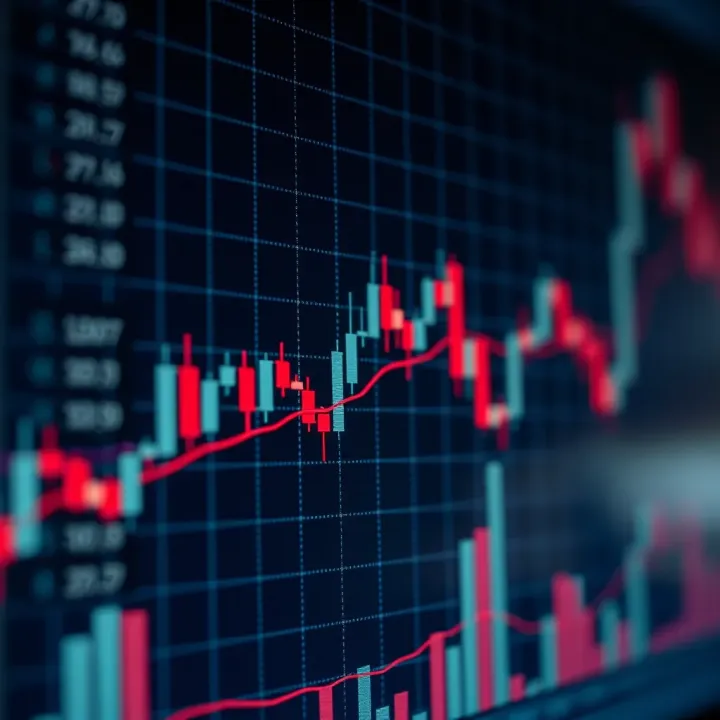
📊 Understand candlestick patterns in forex trading to decode market sentiment & predict price moves. Combine charts with tools for smarter trades and better decisions. 💹
Based on 8 reviews