
Understanding Candlestick Patterns for Trading
📊 Learn how to read key market candlestick patterns for smarter trading decisions. Avoid common mistakes and improve your analysis skills effectively.
Edited By
Oliver Thompson
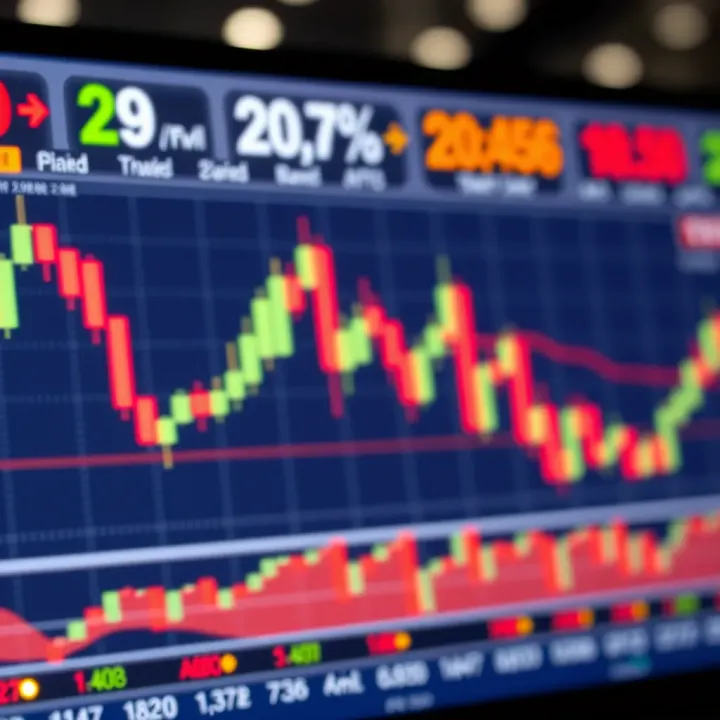
Candlestick patterns form a cornerstone of technical analysis in forex trading. They provide a way to read price action visually, capturing the battle between buyers and sellers in each trading session. Unlike simple line charts, candlestick charts offer detailed information such as opening, closing, high, and low prices for a given period, allowing traders to gauge market sentiment effectively.
Each candlestick has a body and wicks (or shadows). The body shows the range between the opening and closing price, while the wicks reflect the highs and lows. If the closing price is higher than the opening, the candle is typically coloured green or white, indicating bullish movement. Conversely, a red or black candle marks a bearish session, where prices closed lower than they opened.

Understanding these basic elements is vital because specific arrangements of candlesticks often signal potential price reversals or continuations. For example, a "Doji" pattern, characterised by a very small body and long wicks, suggests indecision in the market and can hint at a possible trend change. Similarly, a "Bullish Engulfing" pattern, where a green candle completely covers the previous red candle, usually signals an upcoming upward move.
Mastery of candlestick patterns allows traders to spot entry and exit points with more confidence, reducing reliance on lagging indicators.
It's essential for traders to combine candlestick analysis with other tools such as support and resistance levels, trendlines, or technical indicators like the Relative Strength Index (RSI) to avoid false signals. Also, volume analysis can add context—if a pattern appears on high trading volume, it tends to be more reliable.
In practice, a trader might look at the EUR/USD hourly chart spotting a morning star pattern after a downtrend, supported by RSI showing oversold conditions. This combination can guide an informed decision to enter a long position.
The next sections will break down the common candlestick patterns seen in forex trading and explain how to apply them, enhancing your trading strategy with clearer market insight.
Candlestick charts serve as the backbone of technical analysis in forex trading. They offer a clearer, more detailed picture of price action compared to simple line charts, helping traders make informed decisions. Understanding these charts means you can quickly grasp market trends, spot potential reversals, and gauge sentiment without sifting through numbers alone.
Candlesticks consist mainly of three parts: the body, the wick (or shadow), and sometimes distinct upper and lower shadows. The body reflects the difference between the opening and closing prices within a specific timeframe. If the price closes higher than it opened, the body typically appears hollow or green, indicating bullish sentiment. Conversely, a filled or red body indicates a price drop over that period.
The wick or shadow shows the price range beyond the open and close levels — the highest and lowest points reached during the timeframe. This helps traders visualise volatility and potential price rejection levels. For example, a long upper wick signals that buyers pushed prices high, but sellers forced them down again, hinting at possible resistance.
Practically, knowing these components allows traders to interpret not just direction but intensity of price moves, giving clues about momentum and hesitations.
Understanding open, close, high, and low prices clarifies the candlestick’s message further. The open is where the price started for the given period, while the close is where it ended. The high and low represent price extremes during the same span. In volatile markets like forex, price often swings widely within a session, making these levels essential to identify entry or exit points.
For instance, a candlestick with a small body but long shadows shows indecision in the market. Traders might avoid entering trades on such signals without confirmation, recognising that strength or weakness is unclear.
Candlestick patterns visualise market sentiment in a way that raw numbers can't. They reflect the tussle between buyers and sellers vividly over short periods. For example, a series of bullish candlesticks suggests strong buying pressure, often preceding upward trends. Conversely, bearish patterns hint sellers gaining control.
This visual appeal lets traders spot shifts quickly — say, after a steady fall, the appearance of a hammer candlestick often signals a possible bounce, helping you time buys better. The patterns themselves serve as shorthand for complex market psychology.
Candlesticks have advantages over other chart types like line or bar charts. Unlike line charts, which only plot closing prices, candlesticks show price action throughout the session, offering insight into volatility. This helps traders understand not just where the price went, but how it moved within the period.
Compared to bar charts, candlesticks are easier to read visually — the colour-coded bodies convey bullish or bearish bias instantly. This can be a game changer for traders scanning multiple pairs or timeframes simultaneously.
Successful forex traders often say, "A candlestick tells a story in a glance." The detailed yet straightforward format accelerates decision-making in fast-moving markets.
Overall, mastering candlestick basics equips you to interpret charts quickly and accurately, improving trade timing and risk management in forex trading.
Bullish candlestick patterns are essential tools for traders looking to identify potential upward price movements in the forex market. These patterns provide clear visual signals showing when buying pressure might be increasing, helping you spot opportunities to enter or add to long positions. Understanding these patterns can improve your timing and reduce guesswork.
The hammer is a single candlestick with a small body near the top of the price range and a long lower wick or shadow, often twice the length of the body. It looks like a “T” or a hammer tool. An inverted hammer is similar but has a small body near the bottom and a long upper wick. Both patterns suggest a potential rejection of lower prices and hint that buyers are starting to gain strength.
In a downtrend, the hammer signals a possible reversal as it shows sellers pushed prices lower during the session, but buyers regained control by the close. This often sets the stage for a bounce or rally. The inverted hammer, though less common, carries a similar indication—buyers tested higher levels but couldn’t hold them, yet selling wanes. In an uptrend, these patterns might signal a temporary pause or consolidation rather than a full reversal, so it’s best to confirm with other signals.

This pattern involves two candles: a small bearish candle followed by a larger bullish one that completely covers or "engulfs" the previous candle’s body. It clearly illustrates a shift in momentum from sellers to buyers. For example, if the first candle is a small red candle and the next is a large green one that opens lower than the first’s close but closes above its open, it marks strong buying interest.
Bullish engulfing patterns often appear at the end of a downtrend, warning that a reversal might be underway. Traders watch the pattern’s location—for instance, at major support zones—to increase reliability. When combined with volume spikes or oversold readings from indicators like RSI, the pattern offers a practical entry signal to ride an anticipated upmove.
The morning star is a classic reversal pattern consisting of three candles. First is a large bearish candle showing strong selling pressure. It’s followed by a small-bodied candle (could be bullish or bearish) that gaps lower, indicating indecision. The third candle is a large bullish candle that closes well within the first candle’s body, signalling that buyers have taken over.
This pattern works best when it forms at a significant support level after a downtrend. The morning star shows a gradual shift from selling to buying. Traders often wait for the third candle’s close before entering, confirming that the bulls have regained control. Adding confirmation from other tools like moving averages or support lines can reduce false signals.
Recognising these bullish candlestick patterns lets you spot turning points with greater confidence, especially when combined with other analysis tools. Indian forex traders can benefit by practising pattern identification on popular pairs like USD/INR or EUR/USD, using demo accounts before taking real positions.
Recognising Key Bearish Candlestick Patterns is essential for forex traders aiming to spot potential market downturns. These patterns indicate scenarios when selling pressure may overwhelm buying interest, often signalling a price reversal or continued downward move. Knowing how to identify and interpret such patterns helps traders protect gains and enter short positions strategically.
The Shooting Star and Hanging Man look similar but appear in different contexts. Both have small bodies with long upper wicks, showing rejection of higher prices. However, a Shooting Star forms after an uptrend, hinting at a possible bearish reversal, while a Hanging Man appears after a price rise and warns that the bulls might be losing control.
Pay attention to the prior price movement and confirmation candles that follow. For example, after a Shooting Star, a bearish close in the next candle reinforces that sellers are stepping in. Without confirmation, the signal can be weak and misleading.
These patterns suggest that buyers tried to push prices higher but met resistance. The long wick represents rejected highs, signalling increased seller interest. In volatile forex pairs like USD/INR, spotting a Shooting Star near resistance levels can alert traders to tighten stop-losses or look for shorting opportunities.
That said, relying solely on these candlesticks for reversal prediction is risky. Using them alongside other indicators or support and resistance zones improves reliability.
A Bearish Engulfing Pattern occurs when a small bullish candle is followed by a larger bearish candle that completely covers the previous candle’s body. This pattern highlights a sudden shift in momentum from buyers to sellers.
For instance, on the daily chart of EUR/USD, spotting a Bearish Engulfing near a recent high can signal that sellers have gained control, pushing price down. This visual dominance suggests that the down move might continue.
The Bearish Engulfing pattern often marks strong reversals or the start of a correction. Traders use it as a cue to enter short positions or exit longs. Confirmation with volume spikes or RSI divergence can enhance confidence in trades.
Importantly, waiting for the next candle’s closing price below the engulfing candle’s low helps avoid false signals.
The Evening Star is a three-candle bearish reversal pattern comprising a large bullish candle, a small-bodied candle (could be a doji or spinning top), and then a large bearish candle closing well into the first candle’s body. This formation reflects a gradual shift in market sentiment.
This pattern often appears near market tops and signals waning bullish momentum followed by growing selling pressure.
When an Evening Star forms, it indicates buyers are losing strength while sellers gain traction. For traders in volatile forex pairs such as GBP/INR, this pattern near resistance levels can warn of impending declines.
Traders usually look for confirmation with subsequent bearish candles or breaks of key support before committing to a trade. This measured approach helps reduce losses due to false signals.
Key bearish patterns like Shooting Star, Bearish Engulfing, and Evening Star offer valuable insights into potential market reversals. Using these alongside other tools can improve decision-making and risk management in forex trading.
Candlestick patterns offer traders a clear snapshot of market sentiment, but their true strength comes when combined with other technical tools. Relying solely on these patterns can lead to pitfalls; confirming signals with additional indicators helps improve trade accuracy and timing. Moreover, managing risk through smart stop-loss placement and well-chosen entry and exit points protects capital, enabling longer participation in the market.
Moving averages smooth out price data, making it easier to spot trends and potential reversals. When a bullish candlestick pattern appears near a rising moving average, it strengthens the signal to buy because the market is generally moving up. For example, if a Hammer pattern forms just above the 50-day moving average, it suggests the downtrend may be weakening and buyers are taking control. Conversely, bearish patterns near a falling moving average increase the chance of downward continuation.
Relative strength index (RSI) measures momentum by showing if a currency pair is overbought or oversold, on a scale of 0 to 100. A bullish candlestick pattern forming when RSI is below 30 typically indicates a possible reversal from oversold conditions. Suppose you spot a Morning Star pattern while the RSI is at 25; this combination signals a good opportunity to enter a long trade. On the other hand, if RSI approaches 70 or above alongside a bearish pattern like the Evening Star, caution is advised as a price correction might follow.
Support and resistance levels help identify price points where markets have historically turned or paused. Candlestick patterns forming near these levels are more reliable. For example, a Bullish Engulfing pattern appearing just above a well-established support line merits attention because it suggests buyers have stepped in to defend this level. Similarly, a Bearish Engulfing pattern near resistance might indicate selling pressure is building.
Setting stop-loss orders around candlestick patterns is vital to control losses. For instance, after spotting a bullish Hammer at support, placing a stop-loss just below the pattern’s low ensures that if the price breaks lower, losses stay limited. This strategy helps traders avoid getting caught in false signals or sudden reversals. It allows you to remain calm knowing risk is predefined.
Choosing entry and exit points involves balancing potential reward against acceptable risk. Entry points ideally come after a pattern confirms momentum, such as a close above the high of a bullish engulfing candle. For exits, traders often use candlestick signals combined with other tools like RSI or moving averages to lock in profits or exit before reversals. For example, if an Evening Star forms while price approaches a resistance level, it may be time to book profits or tighten stops.
Using candlestick patterns with supporting indicators and clear risk management builds a solid foundation for more consistent forex trading outcomes. It’s not just spotting patterns but knowing how to act on them prudently that makes all the difference.
Forex trading in India presents unique challenges and opportunities, so practical tips tailored to this market can really help traders make better decisions. Indian traders often face volatility influenced not only by global events but also by domestic policies like RBI announcements or geopolitical developments. Understanding how to fit candlestick analysis into your trading routine can improve timing and risk management significantly.
Intraday charts capture price movements within a trading day, often broken down into 5-minute, 15-minute, or hourly intervals. These are popular among Indian day traders and scalpers looking to profit from short-term swings during market hours. Daily charts, on the other hand, show one candlestick per trading day and give a broader picture of market trends. Swing traders and position traders in India usually rely on daily charts to avoid noise seen in intraday data.
Choosing between intraday and daily charts depends on your focus. If you track currency pairs like USD/INR or EUR/INR with an eye on quick moves around RBI policy decisions, intraday analysis helps catch entry and exit points more precisely. Conversely, if you want to hold trades for days or weeks to ride trends, daily charts provide clearer signals avoiding false alarms common in short timeframes.
Your trading style should guide which timeframe you use for candlestick analysis. For example, a forex trader in Mumbai who prefers quick, small profits may stick to 15-minute or 30-minute charts, where patterns like bullish engulfing or hammer form more frequently. On the contrary, a trader in Bengaluru focusing on medium-term trades should look at 4-hour or daily charts where patterns validate stronger trend reversals.
Aligning timeframe with style helps reduce confusion and wrong signals. If you try to find long-term trends on intraday charts, you may get frustrated with unpredictable market swings. Likewise, relying on daily chart patterns for scalping may cause you to miss timely opportunities for profit.
Many new traders make the mistake of acting solely on one candlestick pattern, expecting it to predict market direction perfectly. This approach is risky because patterns need context — volume, support-resistance, and confirmation from other indicators like RSI or moving averages.
For instance, spotting a bullish hammer during heavy downtrend in USD/INR might be promising but not a guaranteed buy signal. If Indian RBI unexpectedly hikes rates, the overall bearish pressure could wipe out those hopeful signals. Use candlestick patterns as one piece of the puzzle, not the whole picture.
Candlestick patterns do not exist in isolation; market sentiment is shaped by global currency flows, economic data, and political developments. Indian traders must keep an eye on events like US non-farm payroll reports or geopolitical tensions that can overpower technical setups.
Ignoring this context might lead to losses despite technically sound patterns. For example, a bearish engulfing pattern on GBP/INR during India-UK trade talks breakdown could get negated by fundamental shifts. Combine technical and fundamental analysis to make well-rounded forex decisions.
Successful forex trading in India combines candlestick knowledge with broader market awareness and risk management tailored to your style and timeframe.
In summary, Indian forex traders gain much by choosing timeframes suited to their tactics, not relying on any single pattern, and always viewing candlestick signals within the larger market landscape. Doing so strengthens your strategy and helps navigate India’s dynamic forex market more confidently.
📊 Learn how to read key market candlestick patterns for smarter trading decisions. Avoid common mistakes and improve your analysis skills effectively.

📊 Understand key candlestick and chart patterns to decode price trends in trading. Learn practical tips and examples tailored for India's markets and risk management.

📈 Learn to read candlestick patterns for smarter trading decisions in Indian markets. Get essential analysis tips plus HD PDF guides for deeper insight and success.
📊 Understand multi-candlestick patterns in trading! Learn how to spot key formations, interpret market trends, and improve your trading strategies effectively.
Based on 11 reviews