
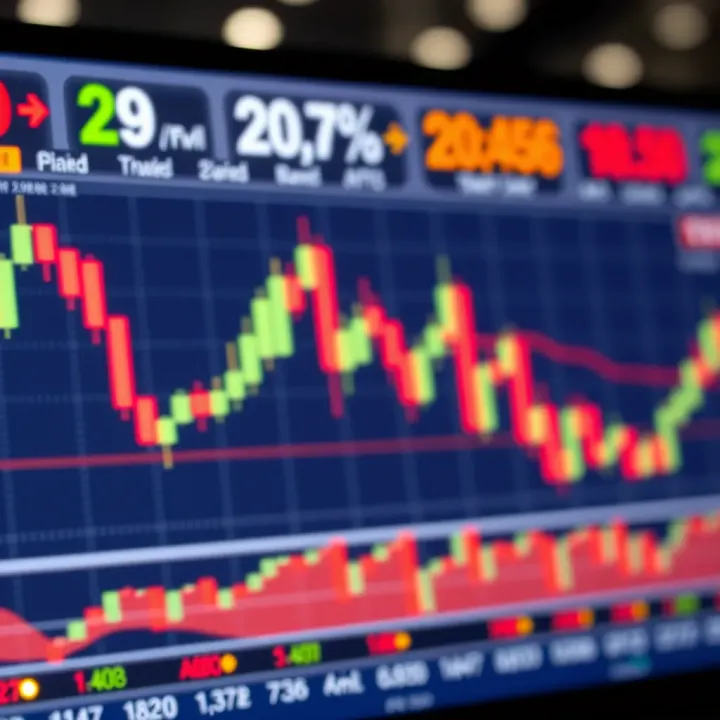
Understanding Candlestick Patterns for Trading
📊 Learn how to read key market candlestick patterns for smarter trading decisions. Avoid common mistakes and improve your analysis skills effectively.
Edited By
William Evans
Understanding candlestick patterns is essential for traders and investors aiming to make informed decisions in Indian financial markets. These patterns, visible on candlestick charts, provide a visual summary of price movements over a specific period, helping you gauge market sentiment quickly.
Candlestick charts differ from standard line charts because they display four key prices: the opening, closing, high, and low within a given time frame. This format reveals not just price direction but also intensity and shifts in momentum, which can be crucial for spotting trend reversals or continuations.
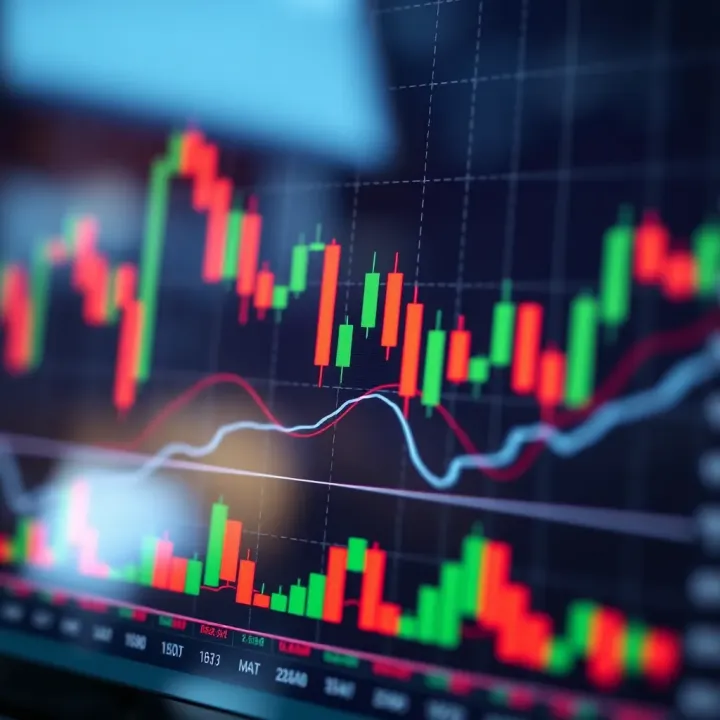
A typical candlestick consists of a body and wicks (or shadows). The body shows the range between the opening and closing prices, with colour usually indicating whether the price has moved up (green or white) or down (red or black). Wicks extend from the body to mark the high and low points.
Among traders in India, recognising specific candlestick patterns like the Doji, Hammer, Engulfing, and Shooting Star can guide entry and exit points effectively. For example, a Doji, where the opening and closing prices are nearly equal, signals market indecision and often precedes a trend reversal in volatile stocks listed on NSE or BSE.
Here are quick characteristics of a few vital patterns:
Hammer: A small body with a long lower wick, indicating buying pressure after a sell-off.
Engulfing Pattern: When a candle’s body entirely eclipses the previous one, pointing to potential bullish or bearish shifts.
Shooting Star: A small body with a long upper wick, suggesting a possible downward reversal.
Spotting these patterns alone isn’t enough; traders must combine them with volume data, support/resistance levels, and broader market context to increase reliability.
Traders often use candlestick insights alongside Indian-specific indicators or events, such as quarterly results announcements or RBI policy decisions, which can cause sharp price swings reflecting in these patterns.
Many resources offer high-definition PDF guides tailored to Indian markets, explaining pattern interpretations, backtesting methods, and practical trading applications. These materials typically include real examples from stocks like Reliance Industries, TCS, or Infosys, helping you practise pattern recognition with relevant market data.
In summary, mastering candlestick patterns can help you read market moods more clearly and make smarter moves with your portfolio. Alongside technical know-how, consistent practice analysing charts and accessing quality educational material makes the difference for success in India’s dynamic trading environment.
Candlestick patterns form the backbone of many trading strategies used in Indian and global financial markets. These visual tools help traders quickly understand price movements and potential trend reversals without digging into complicated numbers. For instance, a trader spotting a "hammer" pattern during a market downtrend might anticipate a bullish reversal, guiding timely buying decisions.
Candlesticks are graphical representations of price action within a given timeframe. Each candlestick shows four key data points: the opening price, closing price, highest price, and lowest price. The body and shadows of the candlestick tell a story about market direction and momentum. Patterns emerge when traders look at groups of one or more candlesticks in specific formations, such as "Doji" or "Engulfing" patterns, which hint at market sentiment.
Traders prefer candlestick charts because they provide immediate, visual cues about market trends and investor behaviour. Compared to simple line charts, candlesticks convey more information, making it easier to spot potential entry or exit points. For example, during volatile sessions on the NSE or BSE, a sudden formation of a "shooting star" candle after a price rally could warn traders of imminent selling pressure.
Candlestick patterns reveal the tug-of-war between buyers and sellers. The length and position of the candle’s body and wicks indicate whether bulls or bears held control during the session. For instance, a long bullish candle with a small wick signals strong buyer confidence, while a Doji — where open and close prices are almost equal — suggests indecision or a possible reversal. This insight helps traders gauge market mood quickly rather than relying solely on technical indicators.
Understanding these patterns equips you to read the market’s subtle signals and respond with greater confidence, especially in fast-moving environments like Indian equity and commodity markets.
By mastering candlestick patterns, traders can combine this knowledge with other tools such as volume analysis or moving averages to improve the accuracy of their trades. It’s practical, actionable information that, when used wisely, can make a clear difference in market success.
Understanding the basic components of a candlestick chart provides the foundation for interpreting price actions and making informed trading decisions. Each element reveals specific market sentiment, enabling traders and investors to anticipate potential reversals or continuations.
Open, Close, High, and Low Prices: Every candlestick captures four crucial data points within its timeframe—the open price (where trading starts), the close price (where trading ends), the highest price reached, and the lowest price touched. For instance, in a 1-hour chart for Nifty 50, the candle’s open might be ₹17,500, close ₹17,540, high ₹17,580, and low ₹17,480, indicating how price fluctuated in that hour. These points help gauge the market’s volatility and momentum during the session.
Body and Wick (Shadow): The candlestick’s body extends from the open to close prices, visually indicating whether buying or selling pressure prevailed. The ‘wick’ or ‘shadow’ represents the price extremes beyond the open and close, showing rejection points or temporary price holds. A long wick on the upper side, as seen in a hammer pattern, may suggest sellers pushed prices down after an attempt to rise, signaling potential bullish reversal if appearing after a dip.
Bullish vs Bearish Candles: A bullish candle forms when the closing price is higher than the opening price, usually shown in green or white, reflecting upward momentum. Conversely, a bearish candle closes lower than it opened, often red or black, signalling selling pressure. These colour codes and shapes guide traders in spotting immediate market trends. For example, multiple consecutive bullish candles on a daily chart usually indicate strong buying interest.
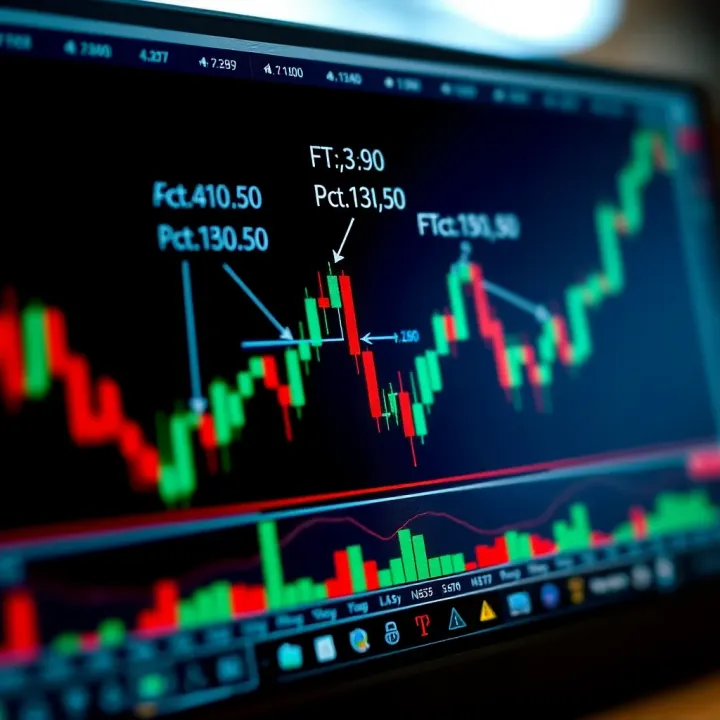
Timeframe selection dramatically influences candlestick pattern significance. A pattern formed on a daily chart carries more weight than a similar one on a 5-minute chart because it covers a longer trading period and incorporates broader market information. For example, a hammer pattern on the weekly chart of a stock like Reliance Industries might predict a stronger reversal compared to one seen on an intraday chart.
Traders often combine multiple timeframes to validate patterns. Spotting a bullish engulfing pattern on the daily chart followed by confirmation on the hourly chart can increase confidence in the trade setup. At the same time, shorter timeframes may exhibit false signals due to noise, requiring cautious interpretation.
Choosing the right timeframe based on your trading style—be it intraday, swing, or long-term investment—is key to effective candlestick analysis.
Overall, mastering these basic components helps traders decode market movements more clearly, improving their timing and decision-making accuracy in Indian and global markets alike.
Understanding common candlestick patterns is key for traders who want to read market trends quickly and accurately. These patterns often hint at potential reversals or continuations, helping you make more informed decisions. Traders in Indian markets who spot these signs early can better time their entries and exits, especially when combined with broader indicators like the Nifty or Sensex trends.
A Doji candle forms when the opening and closing prices are almost the same, resulting in a small or non-existent body with long wicks. This pattern reflects market indecision, as neither buyers nor sellers manage to gain control. In practical terms, spotting a Doji after a strong price move warns that momentum might be losing steam and a reversal could be near. For example, if the Nifty has risen sharply and a Doji appears, it might signal a pause or reversal soon.
These look quite similar but have different meanings based on the trend. A Hammer appears after a price decline and has a small body near the top, with a long lower wick. This suggests buyers are stepping in, potentially signalling a bullish reversal. In contrast, the Hanging Man shows up after an uptrend and warns of possible bearish reversal, despite its similar shape. Traders use these signals alongside volume and other indicators to confirm their trades.
The Shooting Star is a single candle with a small body near the low and a long upper wick. It often forms after an uptrend and indicates that buyers pushed prices high, but sellers regained control by closing near the low. This pattern suggests selling pressure is increasing, and the trend might reverse downwards. Indian traders watching shares in sectors impacted by RBI policies might find such patterns a useful early warning sign.
An Engulfing pattern involves two candles where the second completely covers the first body. A bullish engulfing occurs when a small bearish candle is followed by a large bullish one, signalling strong buying interest and possible upward reversal. The bearish engulfing reverses this, warning of selling pressure. This pattern helps in spotting shifts in market sentiment clearly, especially on daily charts in volatile sectors.
These are three-candle patterns used to detect reversals. The Morning Star appears after a downtrend and signals a bullish reversal, while the Evening Star follows an uptrend indicating bearish reversal. The middle candle usually has a small body and gaps away from the first candle, representing hesitation. Traders often back these signals with volume and momentum indicators before taking a position.
The Three White Soldiers consist of three consecutive bullish candles with progressively higher closes, indicating sustained buying power. Conversely, the Three Black Crows comprise three bearish candles, signalling growing selling pressure. These patterns provide a clear view of strong trend momentum and can give traders confidence about the durability of a move.
This bullish continuation pattern consists of a long bullish candle followed by several small bearish or neutral candles, and then another long bullish candle closing above the first. It suggests a brief pause before the uptrend resumes. Recognising this helps traders stay in profitable positions without jumping to conclusions on minor pullbacks.
Opposite to the Rising Three Methods, this bearish continuation pattern features a strong bearish candle, several small bullish or neutral ones, and another bearish candle closing below the first. It signals that the downtrend is likely to continue, helping traders avoid early exits during temporary rallies.
Recognising these candlestick patterns equips traders with actionable insights that reflect real-time shifts in supply and demand. Used wisely with other tools and Indian market context, they can significantly improve trading outcomes.
High-definition PDF guides offer traders a practical and convenient way to understand candlestick patterns deeply. Unlike low-quality images or brief online snippets, HD PDFs provide crisp visuals and clear explanations that reveal subtle details in candlestick charts. For traders dealing with Indian stock indices like the Nifty 50 and Sensex, recognising these nuances makes a real difference in timely decision-making.
HD PDFs help by displaying patterns sharply, ensuring no ambiguity in recognising wick lengths, body sizes, and formation sequences. This clarity is vital because slight variations can change the interpretation from a bullish to bearish signal. Additionally, these guides often include zoomed-in examples and side-by-side comparisons, which help reinforce learning. For instance, a clear visual of the difference between a Hammer and a Hanging Man candle can prevent many beginner errors.
Classic trading books by reputed authors serve as excellent PDF resources. Experts like Steve Nison, who popularised candlestick charting, provide detailed walk-throughs in their books, available as downloadable PDFs. These guides blend theory with practice, making them especially useful for traders wanting a structured approach. In India, platforms such as Kindle or specialised financial education sites often offer these books.
Many Indian brokerage firms and financial education portals release high-quality PDF materials for their clients. These resources tend to align more with local market behaviour, discussing candlestick patterns in the context of Indian equities and derivatives. For example, Zerodha’s Varsity section or ICICI Direct’s learning centre shares PDFs that combine pattern analysis with real NSE market data, making learning more relevant.
Though less focused on trading patterns per se, SEBI (Securities and Exchange Board of India) and NSE (National Stock Exchange) provide authorised educational content and reports as PDFs, clarifying regulatory norms and market mechanisms. Understanding this regulatory backdrop via reliable PDFs helps traders see how announcements or policy changes might influence candlestick patterns, especially during volatile periods.
Marking up PDF guides actively sharpens understanding. Use digital tools to highlight critical candlestick features, write short notes, or circle examples. Annotation allows you to revisit tricky patterns quickly without rereading the entire material. This practice turns passive reading into active learning, which improves retention and pattern recognition in live markets.
PDFs provide the theory and examples; practising on charting platforms like TradingView or Kite complements this by offering hands-on experience. By comparing live charts with PDF illustrations, you gain confidence spotting patterns in real time. Additionally, Indian traders can simulate trades using historical data from NSE to test how familiar patterns would have played out, bridging the gap between theory and actual trading.
Combining HD PDF guides with practical application builds a solid foundation for mastering candlestick analysis, especially in the dynamic Indian stock market.
Using candlestick patterns alongside Indian stock market indicators helps you read market moods more clearly and make better trading calls. Candlesticks show price movement insights, while market indicators like Nifty and Sensex provide the broader context. This combined approach gives practical signals for entry and exit points in stocks frequent in Indian portfolios.
Using Candlesticks with Nifty and Sensex Trends
Nifty 50 and Sensex reflect overall market health. When candlestick patterns align with trends in these indices, the trading signals gain strength. For example, spotting a bullish engulfing candlestick on stocks riding a Nifty uptrend suggests a potential rally continuation. On the other hand, bearish patterns appearing during a Sensex decline confirm downward momentum. This combination helps traders avoid false signals common in isolated candlestick reading.
Considering Impact of RBI Announcements and Economic Data
Reserve Bank of India (RBI) policy changes or economic data releases, such as inflation or GDP growth, immediately affect market sentiment. Candlestick patterns appearing around these events carry extra weight. Suppose RBI signals a rate cut and a hammer candlestick forms on banking stocks — this could indicate strong buying at lower interest rates. Keeping an eye on such announcements alongside patterns helps you adjust strategies swiftly to India's market drivers.
Choosing Trading Platforms with Charting Tools
For beginners, platforms like Zerodha Kite, Upstox, or Angel Broking offer user-friendly charting with integrated candlestick pattern recognition. These tools let you access live NSE and BSE data and practise spotting patterns in real time. Selecting a platform that provides HD charts and custom indicators improves your ability to read and interpret candle formations effectively.
Monitoring NSE and BSE Market Data
Regularly following NSE (National Stock Exchange) and BSE (Bombay Stock Exchange) updates is essential for actionable trading decisions. Price volumes, sector trends, and market depth inform the reliability of candlestick signals. Tracking market breadth alongside candlestick charts can signal broad strength or weakness, helping you decide whether to hold or exit positions.
Linking Patterns to SIP and Short-Term Trading Strategies
Systematic Investment Plans (SIP) benefit from understanding candlestick trends to time additional investments or pauses. For short-term traders, candlestick patterns offer entry and exit cues within volatile phases typical in Indian markets, such as post-budget sessions or monsoon forecasts. Marrying pattern analysis with these strategies can boost returns by managing risks and capturing timely moves.
Over-relying on candlestick patterns without considering market context or volume often leads to wrong calls.
Some traders misunderstand single candlestick signals as guaranteed outcomes without cross-verifying with broader indices or news. Others ignore the liquidity or volume behind the pattern, which can make signals weak or misleading. Avoid these by always combining candlestick analysis with market indicators and credible data points. Pragmatic, multi-dimensional analysis prevents impulsive decisions and supports consistent profit-making.
Integrating candlestick analysis into Indian stock market trading sharpens your market vision. Use it alongside Nifty, Sensex trends, RBI updates, and reliable platforms for well-rounded strategies confined to facts and figures relevant to Indian financial ecosystems.
📊 Learn how to read key market candlestick patterns for smarter trading decisions. Avoid common mistakes and improve your analysis skills effectively.
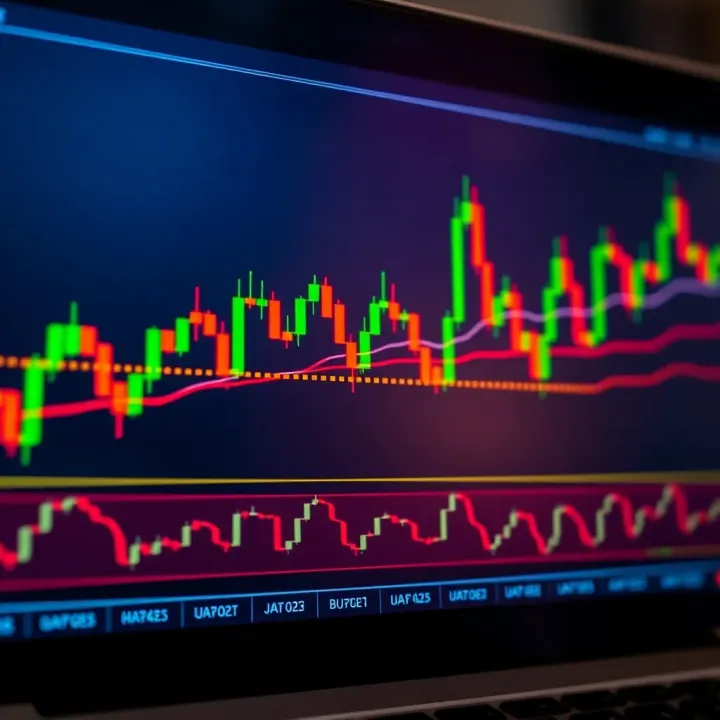
📊 Understand multi-candlestick patterns in trading! Learn how to spot key formations, interpret market trends, and improve your trading strategies effectively.
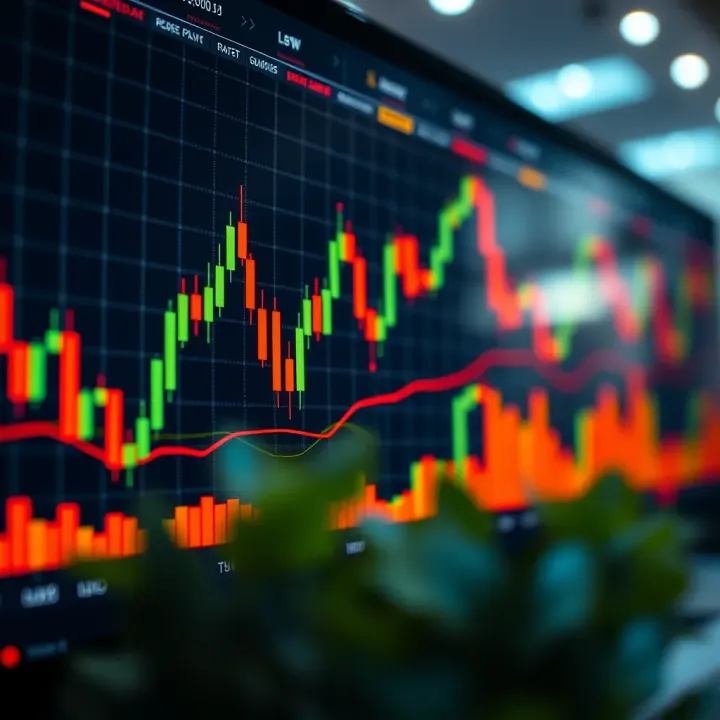
📊 Learn to spot the most powerful candlestick patterns in trading for smarter decisions. Master key signals and boost your chart analysis skills today!
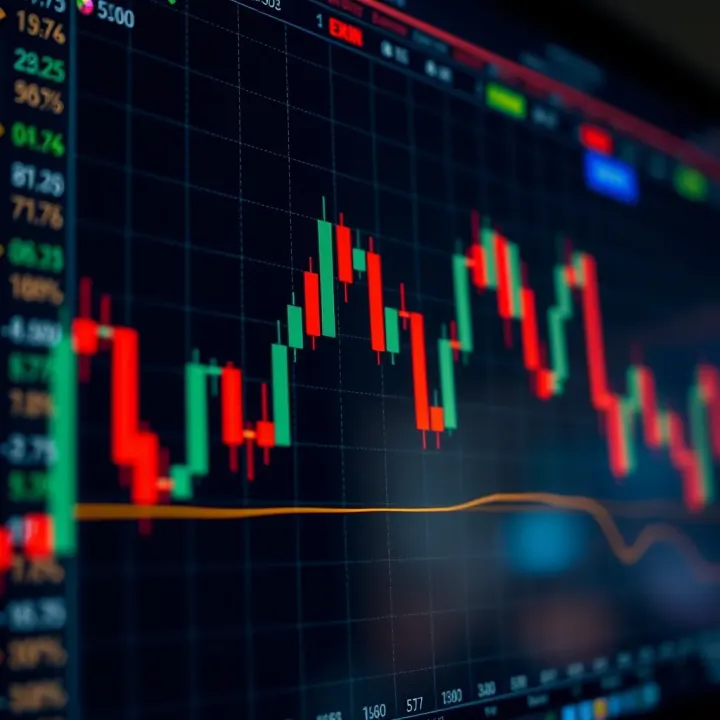
📈 Learn how to spot key candlestick patterns and decode market trends for smarter trading decisions. A practical guide for investors in India & beyond.
Based on 14 reviews