

Common Candlestick Patterns Every Trader Should Know
📈 Dive into India's top candlestick patterns! Learn how to spot bullish & bearish signals to trade smarter and decode market trends effectively.
Edited By
Laura Mitchell
Bull candlestick patterns serve as valuable tools for traders and investors looking to spot potential upward price moves in the stock market. These patterns form on candlestick charts, which reflect price action through shapes and colours. Recognising these patterns can indicate growing buying interest and confidence among market participants.
Candlestick charts use green or white bodies for rising prices and red or black bodies for falling prices. Bull candlesticks typically show large bodies with little upper shadow, signalling strong buyer momentum. Traders use these visual cues to time entries and manage risk.
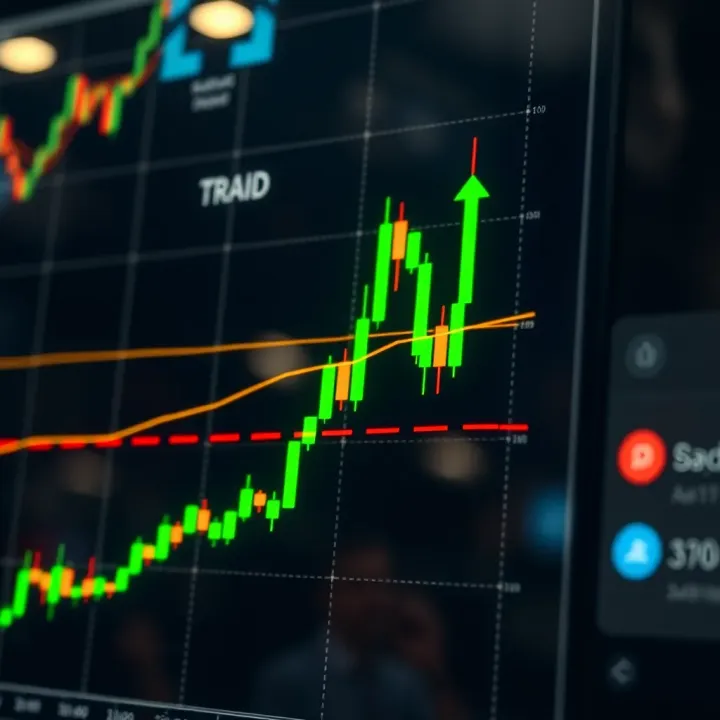
Understanding how bull patterns work gives you an edge in reading market sentiment early, which can lead to better trading decisions.
Common bull candlestick patterns include the Bullish Engulfing, Hammer, Morning Star, and Piercing Line. Each one sends a different signal but generally points towards a likely price rise after a downtrend or consolidation.
When analysing these patterns, it’s useful to combine them with support and resistance levels, volume analysis, or technical indicators like the Relative Strength Index (RSI). For instance, a Bullish Engulfing pattern occurring near a strong support zone with rising volume increases the chance of a meaningful recovery.
At the same time, beware of false signals. Not every bounce from a bull candlestick pattern results in a sustained uptrend. It’s wise to watch for confirmation in the form of follow-through price action or aligned indicators.
In practical terms, spotting bull candlestick patterns can help you decide when to enter a trade or add to a long position. Conversely, it helps avoid premature buying during market weakness.
This article digs deeper into key bull candlestick patterns, explaining how to spot them, interpret their signals, and combine these insights with other tools for smarter trading on platforms like NSE and BSE.
Bull candlestick patterns are a fundamental tool in technical analysis, helping traders spot potential upward price moves in various markets, including Indian stocks. This section explains why understanding these patterns matters for making smarter trades and managing risk effectively.
A candlestick on a price chart shows the opening, closing, high, and low prices for a particular time frame, like one day or one hour. The body of the candlestick represents the price difference between open and close, while thin lines called wicks show intraday highs and lows.
If the closing price is above the opening price, the candlestick is usually coloured green or white, signalling price gain in that period. Conversely, a red or black candle means the price fell. These simple visual cues make it easier to grasp market sentiment and momentum.
Bull candlestick patterns form when green candles appear alone or in specific sequences, highlighting buyers pushing prices higher. For example, if a stock sees a small red candle followed by a large green candle that ‘engulfs’ it, this indicates increased buying pressure overcoming sellers.
Such patterns suggest traders are optimistic, often expecting the price to rise further. This bullish sentiment is vital to spot early, especially if you're planning to enter positions or hold during an upward trend.
Recognising bull candlestick patterns helps traders identify moments when buying interest exceeds selling pressure. This can guide decisions on when to buy shares before prices climb. For instance, a hammer pattern at market support often signals buyers stepping in aggressively after a dip.
Understanding these signals can save you from entering trades too late or during weak rallies. Traders often combine candlestick patterns with volume analysis to confirm if the buying pressure is strong enough to sustain price moves.
Bull patterns are not only useful for spotting new upward trends but also for confirming ongoing ones. After a downtrend, a bullish engulfing pattern may mark a reversal point, while during an uptrend, a morning star pattern can suggest the continuation of bullish momentum.
This helps traders decide whether to hold, add more shares, or book profits. For Indian markets known for volatility, combining these patterns with overall market context often improves success rates.
Bull candlestick patterns offer clear, actionable signals about market mood. By interpreting them correctly, traders can better time entries, manage risks, and align with the prevailing trend strengths.

Recognising common bull candlestick patterns is crucial for traders looking to predict upward price movements. These patterns not only hint at buying interest but also provide clues about potential trend shifts. Knowing their specific features helps you make precise entries and exits, reducing guesswork in trading.
Visual characteristics: The hammer candlestick has a small real body near the top and a long lower shadow, usually twice or thrice the body’s length. It looks like a hammer, signalling that despite selling pressure pushing prices down, buyers managed to push prices back up by the close. The inverted hammer flips this shape—the small body sits near the bottom while the long upper shadow dominates, resembling an inverted hammer.
Implications in different market contexts: In a downtrend, a hammer shows potential bullish reversal – buyers are stepping in near the lows. For example, on the NSE, a hammer forming near a support level might signal a buying opportunity. The inverted hammer is less common but indicates that bulls are attempting to take control, though not decisively yet. If confirmed by subsequent bullish candles, it hints at a possible price rise.
Shape and formation: This pattern involves two candles. The first is a small bearish candle, followed by a larger bullish candle that completely engulfs the previous body. This visual dominance shows a strong shift in market sentiment from sellers to buyers.
Using the pattern to confirm bullish moves: When you spot a bullish engulfing pattern after a downtrend, it’s a reliable sign that buying momentum is gathering. For instance, if a stock listed on BSE displays this pattern with increased volume, it confirms stronger demand and can justify entering a long position.
Key features and price action: The piercing line pattern requires a downtrend, followed by a bearish candle and then a bullish candle opening below the previous low but closing more than halfway into the prior candle’s body. This indicates buyers pushing prices back up strongly despite the initial gap down.
Reliability in signalling trend reversal: This pattern, while subtle, often signals a shift from bearish to bullish pressure. Traders on NSE sometimes watch for this to anticipate a rebound after a correction, especially if the pattern aligns with support lines or oversold RSI conditions.
Three-candlestick structure: The morning star consists of three candles: a long bearish candle, a small-bodied candle (which can be bullish or bearish) that gaps down or shows indecision, and a long bullish candle closing well into the first candle’s body.
Importance in identifying strong upward shifts: This pattern suggests a strong reversal in sentiment and often marks the start of an uptrend. For Indian traders, spotting a morning star near significant support can provide a solid entry signal backed by confidence that the downtrend is losing steam.
Understanding these patterns individually and in combination with volume or other indicators adds practical strength to your trading decisions. Recognising subtle variations can help avoid false signals and improve timing in entering bullish trades.
Analysing bull candlestick patterns carefully improves trading decisions by confirming signals and fine-tuning entry and exit points. Instead of acting impulsively on a single pattern, traders benefit by combining volume data and technical indicators to validate the strength of bullish setups. This approach reduces the chance of falling for false signals in volatile markets, commonly seen on Indian exchanges like the NSE and BSE.
Trading volume often clarifies whether a bull pattern holds real weight. When a bullish candlestick forms on high volume, it suggests genuine buying interest and conviction among participants. For instance, a bullish engulfing pattern accompanied by a volume rise on the Nifty 50 could mean stronger chances of an upward move. Conversely, the same pattern on thin volume might lack follow-through, signalling caution.
In addition to volume, indicators like the Relative Strength Index (RSI), Moving Average Convergence Divergence (MACD), and simple moving averages (SMA) help confirm bull patterns. An RSI rising above 50 or a bullish MACD crossover can back the candlestick signal, indicating strengthened momentum. For example, a morning star pattern confirmed by an MACD bullish crossover provides a clearer buy signal than either method alone.
Risk management is essential when trading using bull candlestick patterns. Even reliable patterns sometimes fail due to sudden news or market sentiment changes. It's wise to define risk upfront by calculating position size based on how much loss one can bear. For instance, if the stop-loss is ₹5 below the entry price, a trader should adjust trade size so the maximum loss aligns with their risk tolerance.
Stop-loss orders anchor risk control by limiting losses if the trade goes against expectations. Placing the stop-loss just below the pattern's low — like under the hammer's lower wick — makes sense, since breaking that point invalidates the bullish setup. In Indian markets, where sudden swings occur during earnings or policy news, having a stop-loss ready can prevent losses from ballooning uncontrollably.
Using bull candlestick patterns alongside volume and technical indicators, while maintaining disciplined risk management, makes a robust trading strategy. It helps traders spot genuine opportunities, enter at optimal levels, and protect capital effectively.
Bull candlestick patterns offer valuable insights, but they are not foolproof. Traders must recognise these limitations to avoid costly mistakes. Understanding where these patterns might mislead or produce false signals helps in making better decisions and managing risk effectively.
Not every bull candlestick formation signals a true upward movement. Sometimes, patterns emerge due to random price fluctuations rather than genuine buying pressure. For instance, a hammer candlestick may appear during a weak downtrend but fail to spark a sustained rally. Such false signals can trigger premature buys, leading to losses if the price reverses again.
Interpreting bull patterns requires considering the broader market context. A bullish engulfing pattern near a strong resistance zone, for example, might not confirm an upward breakout. The pattern's reliability increases when supported by volume spikes or confirmed by other technical indicators. Traders should check trends on longer timeframes and watch for macro news or events that may influence the stock's direction. Ignoring these contextual clues often results in misreading signals.
Relying solely on bull candlestick patterns can be risky. Integrating them with other technical tools like RSI, moving averages, or MACD provides a fuller picture. For example, spotting a morning star pattern alongside an oversold RSI level gives more confidence to enter a trade. Combining multiple signals helps filter out noise and improves entry and exit timing. A trader ignoring such analysis might find their strategy vulnerable to whipsaws.
Technical patterns alone don’t capture a company's real health. Bullish candlestick signals might appear even if the underlying business faces trouble, like poor quarterly earnings or regulatory challenges. Ignoring fundamentals can lead to holding losing trades or entering risky positions. Indian stock markets, with sectors affected by policy shifts or economic cycles, particularly demand this balanced approach. For sustainable success, blend candlestick analysis with company reports, sector outlook, and economic indicators.
Bull candlestick patterns serve as helpful guides, but they should never be the sole basis for trading. Context, complementary analysis, and fundamentals play vital roles in making sound decisions.
Understanding how to apply bull candlestick patterns within the Indian stock markets can make a noticeable difference in trading success. These patterns signal potential upward price movements but should be interpreted while considering India’s unique market conditions. Practical tips help you adapt these signals effectively, making your strategies more reliable and responsive to local challenges like volatility and liquidity.
Indian markets often experience bouts of volatility, especially around events like corporate earnings or RBI monetary policy announcements. This volatility can cause sharp price swings, which sometimes produce misleading candlestick patterns. It’s crucial to confirm bull patterns with volume spikes or other indicators to avoid false alarms during choppy sessions.
Liquidity varies greatly across stocks on the National Stock Exchange (NSE) and Bombay Stock Exchange (BSE). Blue-chip stocks usually have high liquidity, which makes their candlestick signals more dependable. However, mid-cap or small-cap stocks might show erratic patterns due to thin liquidity, making it necessary to apply extra caution or combine these patterns with additional analysis.
Both NSE and BSE host a wide range of stocks with varying trading behaviours. Bull patterns on heavily traded NSE stocks like Reliance Industries or HDFC Bank tend to be more trustworthy as these stocks reflect large investor participation and are less prone to manipulation.
Conversely, BSE-listed small-cap stocks often display unusual candlestick formations because of sparse trading volumes. For example, a bullish engulfing pattern on such stocks might not always mean a sustainable upward trend, so pairing candlestick signals with sectoral trends or news is advisable.
Modern trading platforms like Zerodha Kite, Upstox, and Angel Broking come equipped with advanced charting tools that identify and highlight bull candlestick patterns automatically. These tools save time and reduce errors in pattern recognition, especially during fast-moving markets.
Such platforms often allow you to overlay technical indicators like the Relative Strength Index (RSI) or Moving Averages alongside candlestick patterns, helping build more confidence in trade signals. Using these features can sharpen your entry and exit decisions, enhancing your overall trading strategy.
Mobile apps with live market alerts are a boon for traders who cannot monitor charts continuously. For instance, apps like Moneycontrol, Groww, or Upstox send notifications on key bullish patterns or significant price actions.
Prompt alerts help you act fast during intraday trading or when preparing for short-term investments. Timely responses to recognized bull candlestick patterns prevent missed opportunities, especially in volatile Indian markets where price swings can happen swiftly.
Combining traditional chart analysis with technological tools specific to Indian markets can improve accuracy and provide an edge in executing trades efficiently.
Using these practical tips tailored to India’s market nuances can help you avoid common pitfalls, manage risks better, and make your trading strategies more effective when using bull candlestick patterns.
📈 Dive into India's top candlestick patterns! Learn how to spot bullish & bearish signals to trade smarter and decode market trends effectively.

📊 Learn how to read key market candlestick patterns for smarter trading decisions. Avoid common mistakes and improve your analysis skills effectively.

Discover the most accurate candlestick patterns 📊 that help traders spot market trends in India 🇮🇳. Learn to trade smarter with clear, proven insights.

📈 Master candlestick patterns with this practical guide! Learn to spot key formations, interpret signals, and boost your trading skills effectively.
Based on 8 reviews