
Most Accurate Candlestick Patterns for Trading in India
Discover the most accurate candlestick patterns 📊 that help traders spot market trends in India 🇮🇳. Learn to trade smarter with clear, proven insights.
Edited By
James Carter
Understanding candlestick patterns is like learning a new language for traders and investors. These patterns tell you stories about the market’s current mood and future moves—without relying solely on numbers and news. Whether you're diving into the stock market or exploring cryptocurrency, reading candlesticks gives you a quick, visual grip on price action.
Why care about candlestick patterns? Because they help you make sharper decisions: when to buy, hold, or sell. They’re not foolproof, but when combined with other tools, they can seriously improve your trading strategy.
In this article, we'll break down the basics—from how these patterns form, to key signals that traders swear by. Along the way, you'll get practical tips to apply this knowledge in real trading scenarios, helping you move beyond guesswork.
Getting comfortable with candlestick patterns can boost your confidence and clarify market entry and exit points.
Let’s get started by understanding what candlesticks actually represent and why they matter in trading.
Grasping the basics of candlestick charts is like laying a solid foundation before building a house. Without it, everything else may wobble or crumble. For traders and investors, understanding how these charts work unlocks a clearer view of market movements—much clearer than just looking at raw numbers or simple line charts. Knowing what each candle tells us helps to make sense of the stock, forex, or cryptocurrency market's daily chatter.
Each candlestick is a compact story of price action during a specific period. It has a body and sometimes thin lines called wicks or shadows extending above and below. The body shows the difference between opening and closing prices. A filled or colored body generally means price dropped during that period, while an empty or lighter body means price rose. The wicks mark the high and low prices in that timeframe.
For example, say you’re watching a 1-hour chart for Infosys on the NSE. If the candle’s body is large and greenish, it tells you buyers were in control for that hour. If it’s small and reddish with long wicks, then prices moved up and down a lot but ended not far from where it started—showing indecision.
These four data points are the heart of every candlestick:
Open: The price when trading starts for the chosen period.
High: The highest price reached in that period.
Low: The lowest price touched.
Close: The final price when the period ends.
Knowing these helps understand market dynamics during that timeframe. For instance, a stock that opens low but closes high indicates buying pressure is pushing prices up.
Think about HDFC Bank’s daily chart: if the stock opened at ₹1500, touched a high of ₹1520, dropped to ₹1490, then closed at ₹1515, the candle’s body would stretch from ₹1500 to ₹1515, showing buyers had the upper hand despite some dips.
Candlesticks differ from popular types like line or bar charts because they give more information at a glance. Line charts simply connect closing prices, missing the story during those periods. Bar charts show open, high, low, and close but can be less intuitive than candlesticks.
Candlestick charts offer a visual cue—color and shape—which help traders quickly assess market sentiment without crunching numbers continuously. This is especially handy in fast-moving markets like cryptocurrencies, where split-second decisions matter.
Candlesticks provide a window into what traders feel—fear, greed, hesitation—right on the chart. For example, a long upper wick on a candle might signal buyers pushed prices up but sellers took control before the period closed, signaling resistance ahead.
Consider Tata Motors’ stock on a bounce after a downtrend. A hammer pattern (small body, long lower shadow) shows buyers stepping in as sellers lose strength. This paints a clearer emotional picture than numbers alone.
Beyond just showing price moves, candlesticks help spot when a trend is strong or ready to flip. A series of long green candles tells you bulls have power, while multiple red ones warn bears are in charge.
If you see a doji—a candle where open and close are nearly equal—it often points to indecision and possible reversal. For instance, if it appears after a strong uptrend in Reliance Industries, it might mean buyers are tiring, and sellers could push prices down.
Remember: Candlesticks alone aren’t crystal balls. Combining them with volume data or moving averages gives a better shot at accurate reads.
In short, understanding candlestick basics arms you with practical insights to decode market moods, spot turning points early, and make trading decisions with more confidence.
Understanding key candlestick patterns is like having a language to interpret the market’s mood swings. These patterns provide clear signals about potential price movements, helping traders make better-informed decisions. Recognizing them accurately enables you to anticipate market direction, spot trend reversals, or confirm the continuation of existing trends.
In practice, knowing these patterns isn't about blind prediction but increasing the odds in your favor. For example, a hammer at the bottom of a downtrend may hint that sellers are losing steam, offering a chance to buy in early. On the other hand, a shooting star could warn of a coming drop, prompting you to take profits or tighten stops.
Let's break these down into single and multiple candlestick patterns, highlighting what to look for and how to react.
The Doji candle is a fascinating one — it tells you that the market couldn't decide which way to go on that particular day. Its open and close prices are almost the same, resulting in a tiny or nonexistent body with long shadows on either side.
Why does this matter? A Doji can signal market indecision, often appearing before a reversal or a pause in a trend. For example, imagine a stock rising steadily and then forming a Doji—this may suggest buyers are losing control, and a retracement could be on the horizon.
But one should be cautious; a Doji alone doesn't guarantee a turn. It’s best to combine it with other indicators or wait for the following candles to confirm.
The hammer and hanging man look similar but appear in different contexts, each sending a strong message.
Hammer: Found at the bottom of downtrends, this candle has a small body near the top and a long lower wick. It suggests that sellers pushed prices down but buyers stepped in decisively, often signaling a bullish reversal.
Hanging Man: This appears after an uptrend. Despite its friendly shape, it warns of a potential bearish reversal because the long lower shadow indicates selling pressure.
In trading, spotting a hammer on a daily chart for say, Tata Motors, after a prolonged fall can hint that the downside may be waning. Conversely, a hanging man after a rally in Reliance Industries might encourage traders to tighten stops.
These two are sort of mirror images, but the context changes their meaning:
Shooting Star: Appears at the top of uptrends with a small body at the bottom and a long upper wick. It shows that buyers tried to push prices higher but failed to hold, signaling a likely downward move.
Inverted Hammer: Often seen after a downtrend, this candle has a small body at the bottom with a long upper wick. It may point to a bullish reversal as buyers start to test control.
For example, a shooting star on the daily chart of Infosys after a sharp uptrend might suggest selling pressure building up, while an inverted hammer in a stock like Bajaj Finance at a dip might be the first sign of strength returning.
These patterns are made up of two candles and give clearer signals than singles:
Bullish Engulfing: Occurs during a downtrend when a small red candle is followed by a larger green candle that completely 'engulfs' the previous one. This shows buyers taking charge hard, hinting at a potential reversal.
Bearish Engulfing: The reverse happens here at the top of an uptrend; a small green candle is swallowed by a larger red candle, warning of increased selling pressure.
Take HDFC Bank, for instance: spotting a bullish engulfing after a few bearish days could be a good entry point with confirmation from volume spikes.
These triple candle patterns offer more reliability:
Morning Star: Marks the end of a downtrend with a long bearish candle, a small-bodied candle (indicating indecision), followed by a strong bullish candle. This pattern often signals a solid bounce back.
Evening Star: Appears after an uptrend, with a long bullish candle, a small-bodied candle in the middle, and then a strong bearish candle, signaling a likely reversal down.
Consider Wipro’s price action — spotting a Morning Star could have helped a trader catch the upswing early with better timing and risk control.
These patterns consist of three candles moving consecutively in the same direction:
Three White Soldiers: Three successive long green candles with small wicks, each closing higher than the previous. This pattern screams strength and the start of a bullish run.
Three Black Crows: The flip side — three solid red candles closing lower consecutively, indicating potential for a bearish trend.
A nifty example could be seeing three white soldiers on the Nifty 50 after a consolidation phase, signaling momentum traders to go long.
Remember, while these patterns provide clear clues, context matters. Combine candlestick readings with volume analysis and broader market trends to increase your chances of success.
Recognizing these key candlestick patterns and understanding what they suggest can greatly sharpen your trading edge, making complex charts much easier to read and react to.
Understanding candlestick patterns is just the beginning; their true power lies in interpreting them within the right context. Trading decisions hinge not only on the shapes but also on where and how these patterns form. Without context, even the most textbook-perfect pattern can mislead.
For example, spotting a hammer candlestick during an ongoing downtrend signals potential reversal, but if this pattern appears after a strong uptrend, its meaning shifts. That’s why context helps traders avoid jumping at shadows and improves timing for entries and exits.
Volume acts like the crowd's voice behind price moves, confirming whether a candlestick pattern reflects genuine trader interest or just noise. For instance, a bullish engulfing pattern accompanied by higher-than-average volume suggests strong buying pressure and increases confidence that the move will last.
On the flip side, if a reversal pattern shows up on low volume, it might be a false alarm. Therefore, checking volume helps you filter out weak signals. Always compare current volume to past averages to get a feel for its significance.
Moving averages smooth out price data, highlighting the overall trend direction, which can be a helpful backdrop when interpreting candlesticks. Say you see a morning star pattern near the 50-day moving average acting as support; this adds weight to your bullish outlook.
You don’t have to depend heavily on fancy indicators—simple moving averages (SMA) or exponential moving averages (EMA) work fine. The key is to pay attention to how the candlestick patterns relate to these averages, whether they bounce off, break through, or get rejected.
Candlestick patterns can be tempting shortcuts, but leaning on them without other confirmation is risky. Market conditions might cause patterns to fail, leading to losses. A common pitfall is treating a doji as a guaranteed reversal signal without considering overall momentum.
Traders sometimes jump into positions because a pattern "looks right," ignoring other factors like news events or market sentiment. Remember, no single signal tells the whole story.
"Candlestick patterns are tools, not the whole toolbox. Combining them with other insights keeps you from getting burned."
Market context includes factors like the prevailing trend, volatility levels, economic news, and broader sector movements. A bearish engulfing pattern during high volatility may signal more caution than the same pattern on a calm day.
Consider a scenario where the Nifty 50 index is rallying steadily. A bearish pattern on a stock in this market might be short-lived since the broader trend supports upward moves. Traders should also watch out for earnings reports or RBI announcements, which can override technical signals.
In short, understanding where the pattern occurs and under what market conditions adds necessary depth to your analysis. Without it, you might mistake a momentary price blip for a trend reversal.
Reading candlesticks in context means tying what you see on the chart to bigger-picture factors. Volume and moving averages shine a light on the reliability of patterns, while awareness of false signal risks and market environment helps sharpen your judgment. This approach breeds better trading decisions and keeps nasty surprises at bay.
Understanding candlestick patterns is just half the battle; the real skill comes from applying this knowledge thoughtfully. Taking practical steps to learn and apply these patterns can significantly improve trading decisions and outcomes.
For example, many traders jump straight into live markets and end up losing money because they haven't drilled the skills or tested strategies under real-time conditions. Candlestick patterns can tell different stories depending on the broader market context. So, practicing in controlled environments helps traders build confidence and avoid nasty surprises.
Paper trading allows you to practice spotting and acting on candlestick patterns without risking your capital. It's like a flight simulator for pilots. You get to make mistakes, learn from them, and fine-tune your approach without financial consequences. For instance, you might test how a hammer pattern performs on a volatile stock like Tata Motors before committing real money.
Also, simulated trading builds discipline. Instead of chasing impulsive trades, you learn to wait for clear pattern confirmations—as you would with the Morning Star pattern signaling a potential upward reversal.
Tools like TradingView and NSE Paathshala's virtual trading platform offer realistic simulation environments. TradingView provides access to live charts and a vast repository of real-time market data, while Paathshala caters specifically to Indian markets, perfect for local traders.
Most platforms come with features like setting stop-loss, take-profit, and watching pattern alerts. These allow you to practice setting entry and exit points based on candlestick signals.
To trade effectively using candlestick patterns, you need concrete entry and exit plans. For example, you might decide to enter a trade when a bullish engulfing candle forms above a support level, confirming upward momentum.
Your exit rules could be triggered by a bearish reversal pattern, such as the Evening Star, or hitting specific price targets or stop losses. The key is consistency and sticking to these rules, even when the market tests your patience.
Risk management should never be an afterthought. Always define how much you're willing to lose on a trade before entering it. A common rule is risking no more than 1-2% of your trading capital per trade.
Stop-loss orders are your safety net here, placed just below or above key candlestick levels. For example, if you buy after a Hammer formation, set the stop loss slightly below the Hammer’s low to limit your risk.
Review your trades regularly to see which candlestick patterns worked and which didn’t under different market conditions. Keep a trading journal noting the pattern, entry and exit points, the market context, and the outcome.
This habit helps you avoid repeating mistakes and sharpen your ability to distinguish strong signals from noise. For instance, you might find that bullish engulfing patterns preceded strong rallies only after certain volume conditions.
Candlestick patterns don’t occur in isolation. Keeping track of how often certain patterns lead to profitable trades over weeks or months builds your expertise.
You can do this manually or use spreadsheet software to record each pattern, market conditions, and the subsequent market movement. Over time, you’ll recognize which patterns are worth your attention and those better left out.
Trading with candlestick patterns is a skill sharpened through practice, planning, and continuous review. Treat your learning journey like a trader treating the charts—with patience and discipline.
Grasping candlestick patterns is a powerful tool for traders, but relying on them blindly can lead to costly misunderstandings. This section highlights common pitfalls to dodge, making your use of candlesticks more effective and grounded in real-market conditions.
Candlestick patterns don't exist in a vacuum. A classic mistake is focusing on a pattern without considering the bigger picture — the prevailing market trend. For example, spotting a bullish engulfing pattern might seem like a buy signal, but if the overall market is crashing hard due to negative economic news, jumping in could be a quick way to burn cash. Trends often act like a river’s current: no matter how strong a fish swims upstream, the current may still drive it back. So always check if the pattern aligns with the market’s broader direction before acting.
Candlestick patterns are tempting signals, but nothing works well when overused. Seeing a pattern every time the market shifts slightly can push traders into entering and exiting trades like it’s some day trading frenzy — this often leads to high fees and burnout. Think of candlestick signals like advice from a wise friend rather than absolute commands. For instance, frequent shooting stars or hammers might just reflect noise rather than a solid reversal. Quality over quantity matters here; patience and waiting for confirmation can save plenty of headaches.
Even the best candlestick setups can fail. Ignoring proper stop loss rules can turn a small loss into a disaster. Many beginners skip setting stop losses, hoping the trade will turn around, but this only exposes their capital to unnecessary risk. For instance, if a hammer pattern signals a potential bottom but price keeps sliding, having a stop loss just below the recent low can protect your investment. Discipline to exit losing trades promptly is just as important as recognizing entry signals.
Always remember, candlestick patterns are just one piece of the puzzle. Combine them with trend analysis, risk controls, and market context to trade smarter, not harder.
Avoid these common mistakes, and you’ll not only preserve capital but also build more confidence in your trading decisions using candlestick patterns.
No matter how well you grasp the basics of candlestick patterns, tapping into the right resources can make a huge difference in your trading journey. Learning effectively means having the right books, online tools, and communities to back you up. These resources not only clarify the tricky bits but also keep you updated and connected with fellow traders.
Starting with the right books is like getting a solid foundation under your feet. For beginners, classics like "Japanese Candlestick Charting Techniques" by Steve Nison offer detailed insights into candlestick history and patterns without drowning you in jargon. Another good pick is "The Complete Guide to Candlestick Charting" by Alan Northcott, blending explanations with real market examples. These books help break down complex ideas into digestible chunks and often include exercises that reinforce pattern recognition.
A practical example is when beginners stumble upon the Morning Star pattern. Instead of guessing, they'll find clear illustrations in these guides that show what market conditions usually accompany this pattern, helping them trust their analysis more confidently.
When it comes to practical application, nothing beats hands-on charting. Platforms like TradingView or MetaTrader offer real-time candlestick charts with a range of tools to customize your analysis. TradingView, especially, stands out with its user-friendly interface and a huge library of public scripts where users share custom indicators related to candlestick patterns.
Using these platforms, a trader can track stocks or cryptocurrencies and quickly test how certain patterns play out under different market scenarios. For instance, spotting a Bullish Engulfing pattern on the Nifty 50 index and confirming it with volume data right there in the platform sharpens decision-making without switching devices or apps.
Learning from experience often means learning from others. Online communities like the StockTwits forum, Reddit's r/stocks or r/cryptocurrency, and specialized Discord trading rooms give you access to real-time discussions and shared insights. You’re not just reading theory—you’re seeing how others interpret candlestick patterns in today’s market.
These groups can save you from silly mistakes. For example, spotting a Doji in a trending market might look like a reversal signal, but seasoned traders often caution newcomers against jumping the gun without broader context. These communities can provide that context fast.
Remember, the value in resources isn't just in what you learn, but how you apply and adapt that learning to your own trading style and the market's quirks.
Combining solid books, reliable charting platforms, and a supportive trader community creates a balanced learning environment. This mix helps sharpen your eye for candlestick patterns and develops the confidence required to act decisively in the markets.
Discover the most accurate candlestick patterns 📊 that help traders spot market trends in India 🇮🇳. Learn to trade smarter with clear, proven insights.
📊 Learn how to read key market candlestick patterns for smarter trading decisions. Avoid common mistakes and improve your analysis skills effectively.
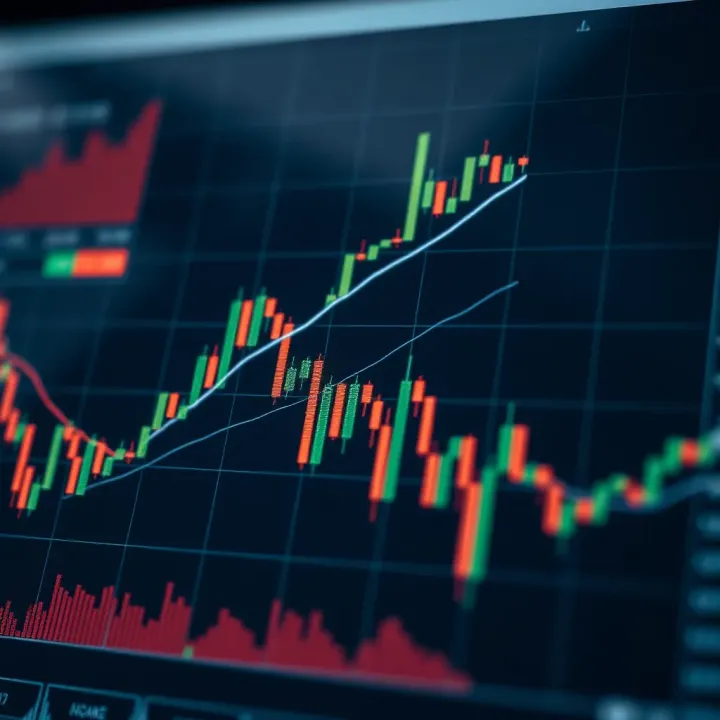
📈 Discover how to spot key chart patterns like head and shoulders, triangles, and flags, helping you trade smarter in different market conditions.

📈 Dive into India's top candlestick patterns! Learn how to spot bullish & bearish signals to trade smarter and decode market trends effectively.
Based on 8 reviews