

Best Trading Apps for Indian Investors in 2024
Discover the best trading app for Indian investors 📱 Explore top features like security 🔒, fees 💰, investment options 📈, and support to trade confidently!
Edited By
Isabella Price
Forex trading has gained significant traction among Indian investors recently, especially with the ease of trading through mobile apps. These apps bring the global currency markets right to your fingertips, enabling you to trade anytime and anywhere. However, picking the right forex trading app can be challenging given the number of options available in India.
To trade effectively, you need an app that not only offers real-time market data and competitive spreads but also ensures strong security and complies with regulations from the Reserve Bank of India (RBI) and the Securities and Exchange Board of India (SEBI).
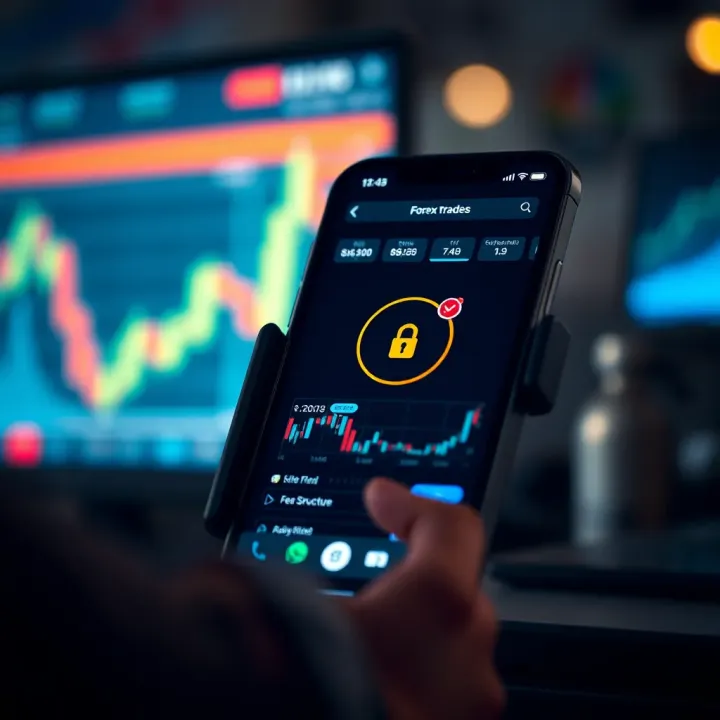
Choosing a reliable forex trading app is not just about flashy features, but about trustworthiness, smooth execution, and ease of use tailored for Indian investors.
When evaluating forex apps, consider these factors:
User Interface and Experience: A clean, intuitive layout speeds up decision-making under market pressure.
Fees and Spreads: Lower transaction costs improve profitability, especially for frequent traders.
Regulatory Compliance: Ensure the app operates under SEBI/RBI guidelines to protect your investments from fraud.
Payment Options: Integration with Indian payment methods like UPI, net banking, and IMPS makes funding seamless.
Market Access: Some apps offer direct market access versus others operating on a dealing desk model, affecting execution speed.
Examples of widely trusted apps among Indian traders include platforms like ICICI Direct, Zerodha Kite, and Upstox Pro, which pair stockbroking with forex capabilities. Meanwhile, specialised forex brokers such as Forex.com and IG also offer tailored experiences but may have different fee structures and regulatory oversight.
This article will help you navigate through these apps, compare their features critically, and pick one that fits your trading style and risk appetite effectively.
Picking the right forex trading app can make or break your trading experience, especially in India's fast-evolving financial markets. A well-chosen app should combine ease of use, strong security, useful trading tools, and transparent costs. For Indian investors, factors like compliance with local regulations and availability of regional support play a big role in ensuring confidence and smooth operations.
Importance of intuitive design: Having an app with a clean, intuitive interface means you can place trades and access information without fumbling through complex menus. For instance, Zerodha’s Kite platform simplifies currency trading by showing key data upfront and offering quick order placement. This ease reduces errors and speeds up decision-making, which is crucial when market rates change fast.
Mobile responsiveness and accessibility: The app should perform well on various devices, including less powerful smartphones common in smaller Indian towns. Mobile responsiveness ensures charts and tools render properly, and you don’t face lag during crucial moments. Accessibility also covers whether the app works smoothly on slow internet connections, which is still an issue in tier-2 and tier-3 cities.
Data encryption and two-factor authentication: Protecting your funds and personal info is vital. Good forex apps use encryption so data transfers stay safe, and many add two-factor authentication (2FA) to prevent unauthorised access. For example, apps linked to your Aadhaar or mobile number with OTP verification add an extra security layer, giving peace of mind.
Role of SEBI and RBI regulations: Forex trading in India has strict guidelines. The Securities and Exchange Board of India (SEBI) and Reserve Bank of India (RBI) regulate forex activities, allowing only authorised currency pairs and registered brokers to operate. Choosing an app compliant with these regulations means your trades abide by Indian law, reducing legal risks.
Licensing and broker reputation: Not all apps are backed by well-known brokers. It helps to pick platforms with SEBI registration and good track records. A reputable broker often provides better trade execution, prompt customer service, and reliable payouts. Checking reviews and licence details helps avoid dubious platforms promising unrealistic profits.
Charts, indicators, and order types: Effective trading demands access to real-time charts and technical indicators like Moving Averages or Bollinger Bands. Apps that offer various order types such as limit, market, or stop-loss orders let you manage trades neatly. For instance, platforms like MetaTrader 4 provide these advanced tools to help you analyse the market and manage risk.
Automated trading and alerts: Automation saves time and can catch opportunities 24/7. Some forex apps let you set alerts for price levels or execute predefined strategies automatically. In India, where market hours may clash with your routine, these features help avoid missing important moves.
Understanding spreads and commissions: Forex trading costs mainly come from spreads—the difference between the buy and sell price—and any commissions the broker charges. Indian forex apps usually offer tight spreads, but you should watch for hidden fees that could eat into profits. For example, Upstox Pro advertises low commissions but charges slightly higher spreads on some currency pairs.
Demo accounts and minimum deposit: Starting out with a demo account lets you practise trading without risking real money. Most leading apps provide this feature. Additionally, check the minimum deposit requirements—some platforms allow starting with as little as ₹5,000, making forex trading accessible for freshers or small investors.
Choosing a forex trading app isn't just about features, but how these elements come together to fit your trading style and Indian market realities. Prioritise security, ease of use, and cost transparency to find a platform that serves you well over time.
Choosing the right forex trading app is vital for Indian investors to trade currencies effectively and safely. Popular apps in India offer not just user-friendly interfaces, but also cater to local regulations, payment methods, and customer support. This section looks at some leading forex trading platforms tailored for Indian users, highlighting their features, costs, and suitability.
Zerodha Kite provides a clean, intuitive platform that supports currency trading alongside equities and commodities. The app includes real-time quotes, advanced charting tools with over 100 indicators, and multiple order types like limit and stop-loss orders. For those needing smooth navigation and quick execution, Kite's mobile responsiveness is a big plus, especially for traders in tier-2 and tier-3 cities with varied internet speeds.

Zerodha follows a flat-fee brokerage model, charging ₹20 or 0.02% per executed order in forex segments, whichever is lower. This approach is cost-effective for frequent traders looking to keep expenses in check. There are no charges on inactive accounts, which benefits casual investors. However, users should watch out for additional levies like GST and Securities Transaction Tax (STT).
Zerodha is well-aligned with Indian regulatory standards, complying with SEBI guidelines. Its wide Indian user base and dedicated customer support in local languages give it an extended appeal. It also offers integration with UPI and net banking, simplifying deposits and withdrawals for Indian investors.
Upstox Pro offers a fast and stable app designed for both beginners and active traders. Its quick order execution reduces slippage, an important factor in volatile currency pairs. The interface supports multi-asset trading, allowing users to toggle seamlessly between forex, stocks, and derivatives.
The platform provides in-built market news, technical analysis, and access to broker research reports. These help users make well-informed decisions without needing multiple external resources. For example, Upstox Pro offers heat maps of currency pairs and events calendar relevant to Indian market hours.
Interactive Brokers (IB) allows Indian investors to trade forex in over 120 currency pairs globally. This access means traders can explore major, minor, and exotic currencies beyond INR pairs, broadening diversification options.
IB’s mobile app supports complex order types, algorithmic strategies, and risk management tools. It caters to professional traders who demand precision and flexibility. The app also provides real-time margin monitoring and portfolio analytics critical for high-volume forex investors.
MetaTrader 4 (MT4) and MetaTrader 5 (MT5) remain favourites worldwide for forex trading, including in India, because of their responsive technology and extensive broker support. They excel in stability and handle large volumes without lag, crucial during volatile trading sessions.
Both MT4 and MT5 allow users to create customised indicators and automated trading bots, known as Expert Advisors. Such automation helps traders execute strategies without constant monitoring, which is valuable for those balancing trading with other commitments.
Selecting a forex app that fits your trading style and needs is the first step to trade confidently from India’s growing digital market.
Choosing the right forex trading app involves more than just checking the brand or interface. You need to focus on specific features that directly impact your trading efficiency and success. Key elements like real-time market data, order execution speed, and solid customer support play vital roles in making the trading experience smooth and productive.
Forex markets shift rapidly, often within seconds. Access to real-time data means you can react instantly to market movements, which is crucial for spotting entry and exit points. For example, if the Indian Rupee starts weakening against the US Dollar due to sudden economic news, your app must reflect this change immediately so you can adapt your strategy without delay.
A trustworthy forex app draws information from reputable sources like Bloomberg, Reuters, or domestic financial news agencies such as Moneycontrol or Economic Times. This ensures you receive accurate updates on global events affecting currency prices. Relying on outdated or unverified news could lead to poorly timed trades, costing you money.
Speed matters because forex trading is often about capitalising on small price fluctuations. A delay of even a few seconds could mean losing a profitable trade or entering at a worse price. Apps connected to robust servers and low-latency networks ensure trades execute swiftly, reducing slippage and improving your overall returns.
Forex markets are known for sudden price swings, especially during geopolitical events or RBI policy announcements. A stable app maintains uninterrupted service during these volatile times, preventing crashes or freezes. This reliability helps you manage risks effectively instead of being caught off-guard during crucial moments.
When issues arise, fast and helpful customer support makes a big difference. Look for apps that offer 24/7 support via phone, live chat, or email, preferably with agents familiar with Indian trading regulations and market hours. For instance, an app with dedicated Hindi speaking support could be advantageous for wider accessibility.
Forex trading involves a learning curve, so apps providing educational content add immense value. These might include video tutorials, strategy guides, and interactive quizzes to help you understand market concepts and use app features. For freshers, such resources reduce the chances of costly mistakes while building confidence for live trades.
Selecting features in a forex trading app should align with your trading style and knowledge level. Prioritise real-time data, quick execution, and solid support to stay ahead in the dynamic forex market.
In sum, an app with comprehensive, timely information, fast trade execution, and strong customer backing sets the stage for successful forex trading in India.
Security and compliance form the backbone of any reliable forex trading app, especially for Indian investors who operate across diverse market regulations. These two aspects protect both your money and personal information, and ensure the platform operates within the legal framework set by Indian authorities. Ignoring these factors can expose traders to fraud risks and legal troubles.
The Securities and Exchange Board of India (SEBI) and the Reserve Bank of India (RBI) play pivotal roles in regulating forex trading activities in the country. SEBI oversees securities market transactions, including derivatives that involve currency futures. Meanwhile, RBI regulates the foreign exchange market under the Foreign Exchange Management Act (FEMA), controlling permissible currency pairs for trading by Indian residents. This means that forex apps must comply with SEBI guidelines and RBI’s directives, such as restricting trading to pairs involving the Indian Rupee (INR) and select foreign currencies.
Understanding these rules is crucial because trading in unauthorised forex pairs or platforms can lead to penalties, and investments on non-compliant apps could be at risk of being frozen. For example, offshore apps that do not follow RBI norms might offer exotic currency pairs, but using them can jeopardise your funds and violate FEMA.
User authentication is the first line of defence for forex trading apps. This typically involves multi-factor authentication methods like OTP-based logins through your registered mobile number or biometric verification such as fingerprint or facial recognition. These measures minimise unauthorised access to your trading account, especially when using public or shared networks.
Data privacy practices are just as important. Reliable apps adopt end-to-end encryption to safeguard sensitive information like your PAN card details, bank account numbers, and transaction history. They also follow privacy policies compliant with Indian data protection laws, ensuring that your personal data isn’t shared with third parties without consent. For instance, apps that provide clear user consent dialogs and allow you to control data sharing options tend to offer better privacy assurance.
Safety tip: Always check if the app clearly states its compliance with SEBI and RBI guidelines and offers secure login options before you start trading.
In summary, focusing on security and regulatory compliance while selecting forex trading apps helps Indian investors trade confidently and avoid costly mistakes involving legal penalties or data breaches.
Starting forex trading can feel like stepping into a busy market, especially in a country like India where regulations and market dynamics can differ from global norms. For beginners, using forex trading apps wisely is key to learning the ropes without risking too much capital. This section provides practical tips tailored for new traders using Indian forex platforms.
Demo accounts offer a risk-free way to practise forex trading strategies. Most brokers provide these accounts loaded with virtual money, allowing you to experience real market conditions without spending actual cash. For example, when you try to trade currency pairs like USD/INR or EUR/INR on a demo app, you can test how your buying and selling decisions might pan out in real scenarios.
This approach helps in two crucial ways. First, it sharpens your trading tactics by letting you see what works and what doesn't. Second, it builds confidence in managing trades before putting real money on the line, which is vital in the highly volatile forex market.
Demo accounts also serve as a training ground to get comfortable navigating the app’s interface. Indian platforms like Zerodha Kite and Upstox offer demo modes where you can explore order placement, chart analysis, and other features without the pressure of immediate financial consequences.
One of the beginner's first lessons is to manage risk effectively, and using stop-loss orders is a straightforward technique. A stop-loss helps cap potential losses by automatically selling your position if the price moves unfavourably beyond a set limit. Imagine you buy GBP/USD at 100, but want to limit loss to 2 points; setting a stop-loss at 98 lets you step back without continually watching the screen.
Leverage is another area where beginners should tread carefully. While it amplifies gains by allowing you to trade larger sums than your deposit, it also magnifies losses. For Indian traders, understanding leverage ratios like 1:10 or 1:20 is essential to avoid blowing up a small account quickly. Many apps allow you to adjust leverage levels—start low to get a feel for market swings and increase only after gaining experience.
Recording trades carefully forms the backbone of improving your forex skills. Indian traders should maintain neat records of entry and exit points, trade sizes, and outcomes. This habit can be as simple as jotting down details in an Excel sheet or using the app’s built-in logging features. Tracking your trades helps identify patterns—like which currency pairs suit your style—and highlights mistakes to avoid.
Reviewing app analytics also adds depth to your trading decisions. Several Indian forex apps provide charts showing your win-loss ratio, average profits, and even heat maps of currency movements. Over time, analysing these reports helps refine your strategy, ensuring you back trades with data rather than guesswork.
For beginners in India, balancing practice with risk management and regular self-review is the key to a steady learning curve in forex trading apps.
Discover the best trading app for Indian investors 📱 Explore top features like security 🔒, fees 💰, investment options 📈, and support to trade confidently!
Explore features, security, and tips of online trading apps tailored for Indian investors 📱📈. Make safer, smarter investment choices today!
Explore the best trading apps in India 📱 Compare features, security 🔒 user experience, and find the right platform tailored to your trading style and goals 📊
🔍 Find the best trading app in India with our detailed guide! Explore top features, security, fees, and assets to trade confidently and safely. 📈💼
Based on 12 reviews