

Best Trading Apps for Indian Investors in 2024
Discover the best trading app for Indian investors 📱 Explore top features like security 🔒, fees 💰, investment options 📈, and support to trade confidently!
Edited By
Henry Davies
Paper trading apps offer a way for investors and traders in India to practice buying and selling stocks without risking real money. These platforms simulate market conditions closely, letting you test strategies in a safe environment before committing actual funds.
Choosing the right paper trading app matters because it affects how realistically you can mimic live trading. A good app should reflect current market prices, offer diverse asset options like stocks, commodities, or cryptocurrencies, and provide useful tools such as charting features and real-time data feeds.
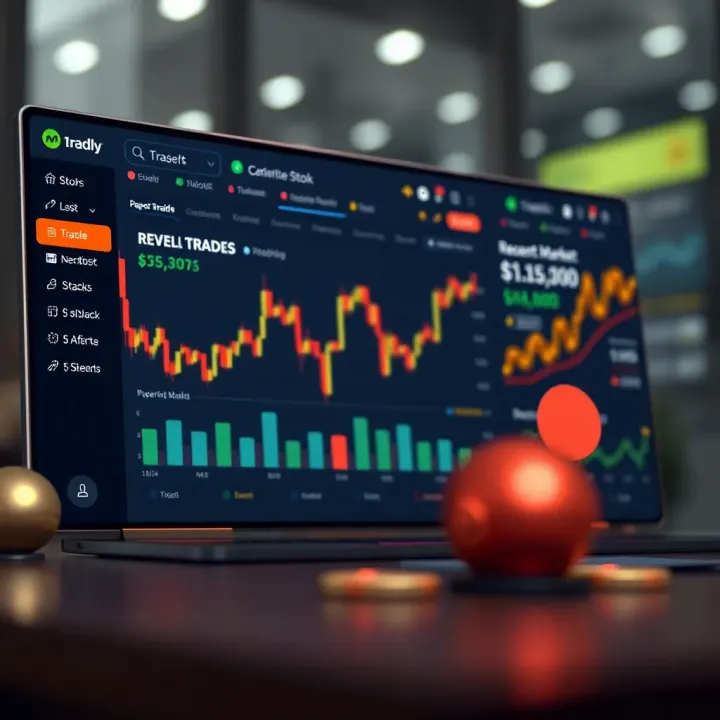
Most paper trading apps let you create a virtual portfolio with a fixed amount of virtual cash. You can place orders using market or limit options, track profits or losses, and learn how market movements impact your holdings. For example, an Indian investor might use such an app to try day trading nifty futures or practice options trading strategies without financial pressure.
Using paper trading apps regularly can help sharpen decision-making skills and build confidence. However, remember that emotions during real trading differ since real money is involved.
Some popular choices catering to Indian users include platforms like Zerodha’s Kite mock trading feature, Upstox Pro’s demo account, and global apps like TradingView that support paper trading with Indian market data. These tools often integrate with familiar payment and banking systems, making transition to live trading smoother.
When selecting an app, consider factors such as ease of use, accuracy of data, availability of Indian markets, and whether it supports multi-asset trading. Stable performance and customer support are equally important, especially when you are learning complex instruments like derivatives or currency pairs.
Understanding these basics sets the stage for exploring how different paper trading apps stack up and which might suit your trading style best. This guide will walk you through key features, pros and cons, and tips to make the most of paper trading for your investment journey.
Paper trading serves as a risk-free environment where traders can practise buying and selling stocks without actually using real money. This simulation helps investors familiarise themselves with market operations before stepping into live trading. For Indian investors, especially freshers and those exploring stock market avenues, understanding what paper trading entails is key to building foundational skills.
Paper trading essentially means practising trades on a virtual platform. You simulate trades based on real market prices, but no actual money exchanges hands. For example, if you believed Reliance Industries Ltd would rise on positive quarterly results, you could buy its shares in a paper trading app and see how your strategy would have fared.
The main idea is to offer a hands-on learning experience without the stress of losing capital. This approach is especially useful for newcomers trying to grasp order types, timing, and market volatility.
Difference between paper trading and real trading lies mainly in emotional and financial stakes. When you trade on paper, you don’t risk actual money, so decisions might feel more relaxed or even indifferent. Real trading, conversely, involves real risks and costs — like brokerage, taxes, and slippage — affecting decision-making. For instance, hesitation due to fear of losses often shapes a live trader’s behaviour, which paper trading cannot fully replicate.
Learning without risking money is the biggest benefit here. Consider someone who recently completed the NCFM (NSE Certification in Financial Markets) but hasn’t traded live. With paper trading apps, they can convert theory into practice by placing simulated trades, understanding market trends, and honing skills, all without risking a single rupee.
Testing trading strategies safely is another major advantage. Suppose a trader wants to try intraday scalping using technical indicators like RSI or MACD on NSE stocks. They can apply these strategies within paper trading platforms to measure effectiveness over weeks. This trial-and-error cycle is crucial before investing real funds that carry risk.
Finally, paper trading helps in building confidence and understanding market behaviour. Behavioural finance shows that emotions largely influence trading. Paper trading removes emotional pressure yet familiarises users with how stocks fluctuate during events like budget announcements or RBI policy reviews. Over time, this experience fosters disciplined trading habits and better decision-making.
Paper trading apps act like a training ground, enabling investors to sharpen skills, manage risk, and enter the market more confidently.
In the Indian context, with growing participation in equity markets and a rise in retail investor interest, paper trading apps have become practical tools to level the playing field before risking actual money.
This blend of learning, testing, and confidence-building makes paper trading a stepping stone for anyone serious about investing or trading in India’s vibrant stock markets.
Choosing the right paper trading app goes beyond just finding any platform that simulates trades. For Indian investors, understanding the key features ensures that the app helps sharpen your skills realistically and conveniently. Each feature impacts how well you can practise, analyse your strategies, and transition to live trading smoothly.
Live market data versus delayed data: A paper trading app should ideally match real market conditions closely. Apps using live market data offer a snapshot of the current prices as they fluctuate in real time, which helps you respond quickly to market movements. For instance, if you're testing intraday strategies, delayed data by even a few minutes could lead to missed opportunities or false signals.
However, some apps rely on delayed data, usually by 10-20 minutes, to cut costs or due to licensing restrictions. Though fine for beginners learning basic patterns, they might not serve advanced traders who depend on timely execution and price accuracy.
Order types and execution speed: Good paper trading platforms must support various order types such as market, limit, stop-loss, and bracket orders. This diversity prepares you for real trading, where different orders help manage risk and automate profit booking. Fast execution speed matters too, especially in volatile markets; a sluggish app creates a false sense of timing, which can mislead your strategy development. For example, Zerodha's Kite paper trading replicates quick order routing comparable to its live platform, lending a practical training experience.
Ease of navigation: An intuitive design eliminates unnecessary hassle, letting you focus on trading rather than fumbling through menus. Clear layouts, logical flow, and minimal clicks to place or amend orders enhance your learning curve. Apps like Upstox have been appreciated for their clean interfaces that suit beginners and seasoned traders alike.
Customisable dashboards: Every trader tracks different data points based on their style. Being able to adjust your dashboard helps you monitor relevant stocks, watchlists, and news all in one place. Some apps allow widget resizing, changing colour schemes, and adding or removing technical indicators on your main screen to suit your preferences and minimise distractions.
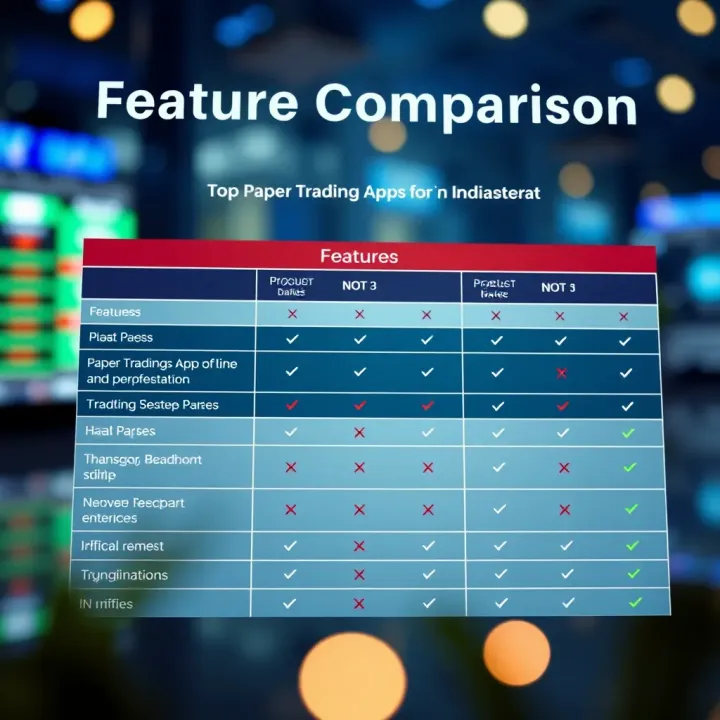
Stocks, futures, options, commodities: A diverse instrument list in a paper trading app is vital to practise trading different asset classes. Indian markets have vibrant equities along with active derivatives segments. Training on futures and options helps you understand leverage, margin requirements, and complex strategies. For instance, practising options spreads on BSE derivatives through simulation can build your confidence before stepping into the live market.
Access to Indian exchanges like NSE and BSE: A paper trading app focused on Indian exchanges ensures you learn within the correct regulatory and market context. Market hours, trading holidays, and instrument specifications vary between countries. Simulating trades on NSE and BSE data familiarises you with India's market nuances, relevant volume patterns, and typical price behaviours.
Charts and indicators: Easily accessible charting tools with multiple timeframes and technical indicators form the backbone of strategy analysis. Features like moving averages, RSI, MACD, and volume overlays let you test ideas comprehensively. For example, TradingView’s paper trading includes advanced chart customisation, allowing Indian traders to explore complex setups.
Learning resources and tutorials: Apart from hands-on practice, integrated educational content boosts your understanding. Tutorials explaining order types, risk management, and strategy development speed up your progress. Zerodha Varsity is a popular example where detailed lessons align with its paper trading environment, offering an end-to-end study-practise experience.
A paper trading app with these key features helps Indian investors train effectively, mimicking real market conditions while offering tools to build competence safely.
This ensures that when you shift from paper trades to actual investments, you’re not caught off guard by surprises related to order execution, market timing, or instrument specifics.
Choosing the right paper trading app is key for Indian investors who want to practise market strategies without risking real money. The right platform offers realistic simulations of the Indian stock market, handy tools, and a familiar interface that matches user needs. This section highlights some top choices tailored for Indian traders, explaining their main benefits and practical features.
Zerodha Kite's paper trading feature, often paired with Zerodha Varsity's educational content, offers a seamless user experience. It simulates live market conditions closely, giving users a feel of actual trading. For instance, you can place orders, observe price movements, and analyse results just like in real trading.
The integration with Indian stock exchanges like NSE and BSE is a strong advantage. This close link means you get timely market data, access to various order types, and a practical approach to Indian stock trading rules. Zerodha's well-known presence in India adds trust and ease for local investors, making it a popular choice for beginners and experienced traders alike.
Upstox’s paper trading platform offers detailed simulations, including access to a wide variety of instruments such as equities, futures, and options. The app presents an easy-to-understand order book, helping traders test different strategies under realistic conditions. It also provides analytical tools that help break down trades systematically.
On top of that, Upstox has an intuitive interface that mobile and desktop users appreciate. The platform is accessible even for freshers, thanks to simple navigation and clear dashboards. Its regional language support can also be a plus for many Indian users who prefer trading in Hindi or other languages.
TradingView stands out for its global market access and sophisticated charting tools that attract traders worldwide, including many in India. You get access to extensive technical indicators and drawing tools that support in-depth analysis, beyond just Indian markets.
While it is global, TradingView accommodates Indian traders by allowing the integration of Indian exchange data through brokers that support the platform. This makes it useful not only for practising but also for preparing practical strategies that apply to NSE or BSE.
International paper trading apps like Investopedia Simulator and Thinkorswim have their pros and cons for Indian investors. The major plus is their advanced tools and simulations, which sometimes go beyond what local apps offer. However, they might lack Indian market integration or have delayed data for Indian stocks.
Investopedia Simulator is good for beginners wanting a simple environment to learn concepts. Meanwhile, Thinkorswim provides professional-grade options but can be overwhelming or less suited for Indian stock specifics.
Choosing a paper trading app involves balancing features, market access, and ease of use. For Indian investors, platform familiarity with local regulations and exchanges can significantly boost learning and confidence.
Zerodha Kite suits those wanting direct Indian market exposure with supportive learning resources.
Upstox offers a good mix of simple tools and multi-market trading options.
TradingView excels for traders with interest in international markets plus Indian integration.
International apps add variety but require careful checking of Indian market relevance.
Selecting the best app depends on your trading goals, experience, and how much you want to simulate the real Indian exchange environment.
Selecting the right paper trading app depends largely on your personal learning goals and trading level. Different apps offer features tailored for beginners or seasoned traders, varying price points, asset coverage, and support structures. Choosing carefully can speed up your learning curve and prepare you better for real-market scenarios.
If you're just starting out, you should look for apps with simple interfaces and educational resources. These apps typically focus on helping you understand basic trading concepts and allow you to practise with limited asset types like stocks and mutual funds. For instance, Zerodha's Varsity and Kite paper trading provides a gentle introduction suited for newcomers.
Meanwhile, advanced traders may need sophisticated tools such as customisable charts, futures and options trading, and algorithmic strategy testing. Platforms like TradingView cater well to experienced traders by offering detailed analytics and access to multiple asset classes.
Focusing on the asset classes you want to trade is equally important. If equities interest you, ensure the app covers NSE and BSE stocks extensively. For commodities or derivatives trading, look for apps that simulate those markets accurately. For example, Upstox’s platform includes derivatives trading simulation, which can be a big help for those wanting to practise futures or options.
Technical stability is key to a smooth paper trading experience. Frequent crashes, slow order execution, or delayed market data can frustrate and distort your learning. An app like Zerodha Kite, known for its uptime and fast execution, ensures your practice mimics live trading conditions better.
Customer support and community engagement also matter. Access to a responsive support team helps resolve issues quickly, while active user forums offer valuable shared insights and strategy tips. For example, TradingView hosts a large community where traders exchange ideas, which might benefit someone looking to discuss strategies or clarify doubts.
Many paper trading apps are free, but paid versions often offer extras like extended data access, advanced tools, or ad-free experiences. Beginners can start with free options to keep costs low, then upgrade as their needs grow. For instance, Upstox provides a free trading simulator, but additional features require subscription.
Also consider whether the app is available on mobile and desktop. Mobile access is vital for practising on the go, especially in India where smartphone use is widespread. Desktop versions often offer better charting and multitasking, useful for detailed analysis. Apps like Kite and TradingView provide both, allowing flexible learning.
Choosing the right paper trading app isn’t just about fancy features; it’s about matching them to your current skills, goals, and the practicalities of your daily routine. This alignment can make your trading practice genuinely effective and enjoyable.
Paper trading offers a safe space for investors to sharpen their trading skills without risking real money. However, just practising isn’t enough; treating paper trading seriously ensures you gain the right habits and insights that apply when you step into live markets.
Setting realistic goals is key to making paper trading useful. Don’t just aim to become a millionaire overnight on virtual money; instead, focus on learning specific skills like how to identify entry and exit points, understand stop-loss use, or test a trading strategy over a few weeks. For example, you might set a goal to achieve a 5% return in a month using a technical analysis strategy. Realistic targets keep you grounded and build habits that will transfer to actual trading.
Keeping trading journals is another practical way to improve. Write down why you made each trade, how you felt, and what outcome followed. Over time, this record helps spot patterns — say, you might notice you get nervous and exit too early or follow a tip without analysis. Such self-reflection is difficult in real trading where emotions run high. Journals turn paper trading from mere clicking into a learning exercise that polishes your decision-making process.
Analysing failed trades is where paper trading shines. When you make a loss, don’t just shrug it off as part of the game. Dig into why the trade didn’t work. Was it due to a sudden market event you didn’t account for, or are limitations in your strategy exposed? For instance, if your momentum-based strategy fails during a sideways market, you’re learning about market conditions where your method struggles. This kind of feedback is valuable before risking real money.
Adjusting based on performance data means using statistics from your trades—win rate, average profit per trade, maximum drawdown—to refine strategies. If your average loss outweighs gains, consider tightening stop-loss levels or switching to a different asset. In paper trading apps like Zerodha Kite’s simulator, you can review detailed trade reports. Adjustments based on solid data are what turn beginners into disciplined traders.
Reading market news and reports alongside paper trading creates context. Paper trading in isolation misses out on real-world factors affecting prices. Following daily updates from Economic Times or Moneycontrol, for example, helps you understand why certain stocks move. Maybe your paper trade in a pharma stock coincides with a new drug approval announcement. This connection boosts your understanding of how news influences markets.
Understanding macroeconomic factors broadens your perspective beyond individual stocks or sectors. India’s interest rate changes announced by the Reserve Bank of India (RBI), government budget decisions, or global crude oil price shifts all impact markets. Incorporating this knowledge while paper trading allows you to see the bigger picture, helping you develop more nuanced strategies that factor in economic trends.
Paper trading is most effective when treated systematically, combining practice with analysis and market awareness. This approach makes the transition to live trading smoother and less stressful.
Paper trading apps offer a risk-free environment to practise trading strategies, but they come with inherent limitations that every Indian investor should understand. Recognising these gaps helps you manage expectations and better prepare for live markets.
Emotional factors and real risks: When trading with virtual money, it's easy to stay calm during losses or hold risky positions longer because no real money is at stake. This disconnect doesn't replicate the emotional pressure of actual trading, where fear, greed, and stress can heavily influence decisions. For example, an investor may confidently test aggressive intraday strategies on paper trading but find real-life losses hard to swallow, leading to impulsive actions.
Liquidity and slippage concerns: Paper trading platforms often assume ideal execution prices with no delays or slippage. However, in the actual market, especially in less liquid stocks or during volatile times, orders might execute at worse prices than expected. For instance, a trader may believe an order will execute at ₹150 but due to low liquidity, it fills at ₹152, impacting profit margins. Paper trading apps rarely simulate these nuances, so users should mentally factor in such real-world challenges.
Recognising paper trading’s scope: Paper trading works well for mastering order types, studying charts, and testing strategies but falls short in building the discipline required under real market pressures. Understanding this scope is crucial to prevent overconfidence. You might see consistent profits on a simulator but still face setbacks when emotions and real money enter the equation.
Treat virtual trading results as informative but not definitive indicators of your readiness.
Gradual transition to live trading: To bridge the gap between theory and reality, start live trading with small amounts or in low-risk segments such as mutual fund SIPs or blue-chip stocks. This step-by-step approach helps acclimatise to emotional and market dynamics gradually, reducing the shock of full-scale live trading. Many experienced investors recommend allocating just ₹5,000–₹10,000 initially to experience real market conditions without risking substantial sums. Over time, increase exposure as confidence and skill improve.
Understanding these limitations ensures that paper trading remains a useful learning tool, not a misleading confidence booster, helping you make a smooth, informed shift towards real stock market investing.
Discover the best trading app for Indian investors 📱 Explore top features like security 🔒, fees 💰, investment options 📈, and support to trade confidently!
Find the best mobile trading app for Indian investors 📱. Compare features, usability, security, and fees to trade safely and smoothly on your mobile device.
Explore top forex trading apps for Indian investors 🇮🇳. Compare fees, security, features, and regulation to pick the best platform for trading global currencies on your mobile.
Explore features, security, and tips of online trading apps tailored for Indian investors 📱📈. Make safer, smarter investment choices today!
Based on 13 reviews