

Lowest Investment Trading Apps in India: Start Small, Trade Smart
📉 Looking for the lowest investment trading app in India? Discover cost-effective, secure apps with great features for stocks and mutual funds trading.
Edited By
Amelia Reed
Starting your trading journey in India can be a bit intimidating, especially if you're working with limited funds. That’s where looking for the right trading app with a low deposit requirement comes into play. These apps let you dip your toes without needing a fat wallet upfront.
Picking a trading app isn't just about how much money you tuck in at the beginning. It's also about features that suit your style, safety of your funds, ease of use, and support for the kinds of markets you're interested in—whether it’s stocks, mutual funds, or cryptocurrencies. With a sea of options like Zerodha, Upstox, and Groww, knowing what to look for saves time and headache.
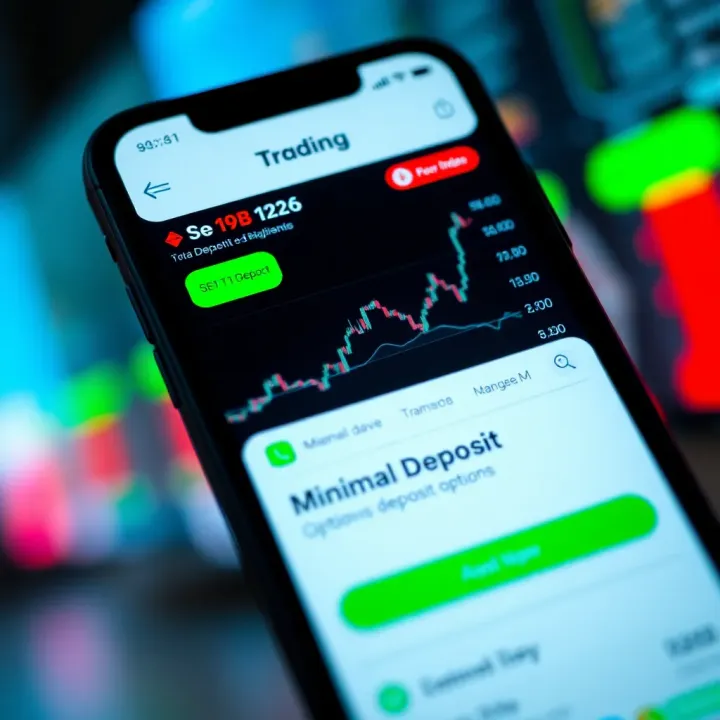
This article will walk you through what makes a good low deposit trading app in India. We’ll cover the essentials—like minimum deposit rules, brokerage fees, app reliability, and security measures—as well as potential red flags. By the end, you’ll be better equipped to choose an app that fits your goals and budget right from the get-go.
Remember, starting small doesn’t mean settling for less. The right app balances affordability with quality, making trading accessible without burning a hole in your pocket.
Grasping what lowest deposit trading apps are all about is the first step toward making smart trading choices in India. The concept might sound straightforward—apps that let you start trading with minimal money—but there’s more beneath the surface. These apps open doors for many who hesitate to pour large sums into the stock market or forex trading upfront. Imagine a college student with just a couple of thousand rupees wanting to try out the stock market — lowest deposit apps make that possible without burning a hole in the pocket.
Low deposit requirements mean you can open a trading account with just a small amount of money, often as low as ₹100 or ₹500. This is quite different from traditional platforms where minimum deposits can be a few thousand rupees. Low deposit thresholds lower the entry barrier, especially for beginners or those cautious about risking big money initially. For instance, financial apps like Upstox and Groww have recognized this need and offer accounts that you can fund with minimal amounts to start trading stocks or mutual funds.
Having a low deposit requirement is more than just a marketing gimmick—it encourages wider participation and allows traders to learn the ropes without a heavy financial burden. It’s particularly important in a country like India where many would-be traders are first-timers and might be testing waters to gauge their comfort before committing larger funds.
Minimal deposit requirements matter a lot in the Indian context, where financial literacy and disposable income vary widely. Many first-time traders hesitate to commit large sums upfront, fearing losses or simply wanting to test their trading skills first. The low deposit apps act like a safety net, offering a chance to experiment with real money but on a small scale.
Think about a middle-class professional living in a tier-2 city like Jaipur or Coimbatore. With a modest monthly income, that person might find it daunting to allocate ₹10,000 or more just to start trading. But if an app asks for ₹500 as a minimum deposit, it suddenly feels manageable. Moreover, these apps often come with easy interfaces and educational resources, which further support Indian traders in growing their confidence.
Low deposit trading apps give Indian traders the chance to get their feet wet in the trading pond without diving in headfirst with big sums.
Besides, having a minimal deposit means you can diversify your investments. Rather than putting all eggs in one basket, you can split small amounts across stocks, commodities, or even currencies, using different apps that cater to specific markets.
In essence, understanding what low deposit trading apps offer and why they matter sets a solid foundation for anyone interested in starting or expanding their trading journey within India’s financial markets.
Picking a low deposit trading app isn’t just about the cheapest entry point. While minimal deposit requirements are the headline for many traders, especially in India where every rupee counts, there are several other factors that can make or break your trading experience. Think of it like buying a bike—you wouldn’t just check the price tag without looking at the brakes, gears, or tires, right? Same goes for trading apps.
These factors help ensure that your small initial investment doesn’t go to waste and that you have a smooth, secure, and efficient platform to work with. Let’s break down the key elements you should look at before committing your money.
Not all trading apps are born equal when it comes to the variety of assets they offer. Some might be great if you want to trade stocks but lack commodities or Forex options. On the flip side, certain apps cater well to Forex and commodities traders but might have a limited stock market selection.
For example, Zerodha is well-known for stock trading in India but doesn’t focus on Forex, whereas platforms like Forex.com offer a broad range of currency pairs but might not be the first pick for stocks. If you want flexibility, pick apps that cover multiple asset classes or at least the ones you’re most interested in. Why limit yourself where the market’s full of opportunities?
Imagine trying to navigate a map with half the roads missing—that's what using a clunky trading app feels like. The user interface (UI) should be clean, intuitive, and fast. Apps like Upstox and Angel Broking have been praised for their smooth experiences and quick order execution.
Accessibility goes beyond just being user-friendly; it means the app should work well across devices—be it the latest smartphone, an older model, or even on your desktop. Slow apps or constant crashes can cost you money in fast markets. Plus, features like easy charting tools, quick order placement, and helpful notifications add up to a more confident trading experience.
Security isn’t something you want to cut corners on, even if you’re starting small. Make sure the app is registered with SEBI (Securities and Exchange Board of India) and complies with all necessary regulations. Apps that use two-factor authentication (2FA), data encryption, and secure payment gateways protect you from fraud and hacking.
For instance, ICICI Direct incorporates bank-level security, which might give you peace of mind if you’re worried about safety. Dealing with an unregulated app might be tempting due to low deposits, but the risks can outweigh the benefits.
Remember: Your money’s safety is the base of your trading journey, don’t settle for less here.
Some apps lure you in with low deposits but hit you with surprising fees later. These might include brokerage charges, withdrawal fees, or costs for additional services like margin trading or data subscriptions.
Pay attention to:

Brokerage fees: Are they flat or percentage-based?
Account maintenance charges: Some apps charge monthly or annual fees.
Withdrawal limits or charges: High withdrawal fees can eat up small profits.
For example, Groww and Zerodha are known for transparent fee structures that’re easy to understand upfront, which helps avoid nasty surprises. Always read the fine print before committing.
In summary, the best low deposit trading app balances affordability with features that support your trading goals, offers a smooth user experience, safeguards your funds, and keeps fees reasonable. Taking time to compare these factors can save you headaches and money down the line.
When it comes to picking a trading app that requires only a small initial deposit, knowing the popular options is essential. These apps have earned trust and show a good balance between usability, cost-effectiveness, and variety of instruments. This is especially relevant for Indian traders who often want to start small but expect reliable platforms with responsive customer support and transparent fee structures.
Choosing a popular app can also mean more educational resources and community support, which can be golden for newcomers. Let's look at which apps stand out in two distinct categories: stock trading, and forex and commodity trading.
Stock trading apps today offer a mix of features that go beyond just buying or selling shares. For instance, Zerodha's Kite offers advanced charting tools, instant order placement, and a clean interface that fits both beginners and seasoned traders. Similarly, Upstox provides lightning-fast trade execution and access to multiple markets including equity, derivatives, and mutual funds. These features help users make quick decisions without needing to switch devices or apps.
Another key feature is educational content. Apps like Groww come loaded with tutorials and blogs that guide users from the basics of stock markets to complex strategies. The availability of tech indicators, real-time market news, and customizable watchlists helps traders stay ahead and make informed calls.
Among stock trading apps popular in India, the minimum deposit varies considerably. Zerodha, for example, requires just ₹100 to start, making it accessible for many who want to dip their toes into market waters. Upstox also has a low barrier, allowing deposits as low as ₹500, while Groww requires a nominal amount, generally ₹300.
This low entry bar is a huge plus for traders testing the market or those with limited capital. It lets them build confidence while managing risks sensibly.
User reviews often highlight ease of use and customer service as critical factors. On platforms like the Google Play Store, Zerodha Kite scores around 4.1 stars, praised for its robustness but occasionally criticized for tech glitches during peak times. Upstoxbrags an average rating near 4.0, with positive notes on its speed and occasional complaints about withdrawal delays.
Groww ranks slightly higher, about 4.2, lauded for its beginner-friendly design but some users mention occasional lag during high volatility. Understanding these ratings helps users gauge not just how features stack up but also how the app performs day-to-day under pressure.
Forex and commodity trading demands apps that can handle real-time data swiftly and offer robust charting tools with indicators for a deeper analysis. Apps like ICICI Direct and Angel Broking's commodity platforms provide these capabilities along with integrated news updates relevant to currency pairs and commodity fluctuations.
Many apps also support margin trading, allowing traders to amplify their buying power even with small deposits. Features such as stop-loss orders and alerts provide safeguards against sudden market swings—a must-have for forex markets that never really sleep.
Forex and commodity trading apps typically require a slightly higher minimum deposit due to regulatory norms and higher inherent risks. For instance, Angel Broking asks for a minimum of ₹1,000 to open a trading account for commodities, while ICICI Direct's forex segment might start at around ₹2,000.
Though higher than stock trading apps, these amounts are still accessible for most Indian retail traders and encourage trading without locking away too much capital.
ICICI Direct is generally rated well for its strong brand reputation and interface, sitting around 4.0 stars on various app stores. Users appreciate the depth of market access but sometimes mention a steep learning curve.
Angel Broking's app scores similarly, praised for good customer service but with some complaints about app crashes or delayed order executions in stressful market phases.
Tip: When looking for low deposit apps, consider user feedback related to app stability and service responsiveness alongside deposit amounts and features. This helps avoid surprises when market action speeds up.
By zeroing in on these popular apps and weighing their features, deposits, and user ratings, Indian traders can decide which platform fits their risk comfort and trading goals most closely. This approach keeps things clear and grounded while stepping into live markets with modest investment.
Getting started with a trading app that requires a low deposit can feel both exciting and daunting, especially if you’re new to investing or working with a tight budget. But it's doable when you break it down step-by-step. This part of the guide highlights practical steps Indian traders can take to open an account, fund it, and handle risks effectively even with limited capital.
Opening an account on any trading platform typically involves a few straightforward steps, but with low deposit apps, the process might be even more streamlined. To begin, you’ll need to download the app from a trusted source—either Google Play Store or Apple App Store—and then register using your email or phone number.
Verification is a critical part, especially in India, where regulatory bodies like SEBI require Know Your Customer (KYC) compliance. This usually means submitting government-issued IDs such as your PAN card, Aadhaar, or passport. Some apps, like Zerodha Kite or Upstox, expedite this with digital KYC where a selfie and document uploads suffice. Don’t skip these steps because without proper verification, your trading activities may be limited or your account could be temporarily frozen.
Remember, a verified account not only ensures you're complying with Indian financial laws, but it also adds a layer of protection against fraud.
Once your account is set up, the next step is transferring funds. The minimum deposit varies depending on the platform—for example, Groww allows you to start with just ₹100, while others might ask for ₹500 or ₹1000.
Funding options typically include bank transfers via UPI, net banking, or sometimes even payment wallets like Paytm. An essential tip here is to check for deposit fees; some apps might charge for certain payment methods, which can eat into your small initial deposit.
Make sure to test with the minimum deposit amount first to avoid any surprise charges or transactional hiccups. Most trading apps provide instant funding confirmation, letting you jump into the market right away.
Risk management is even more crucial when you’re trading with limited funds. Here are a few hands-on tips to keep you in the game longer:
Start with micro or fractional shares if the app offers them. This means you’re not forced to buy an entire share of more expensive stocks like Reliance Industries or TCS.
Use stop-loss orders to cap potential losses. For example, if you buy shares at ₹1000, set a stop-loss at ₹950 to automatically exit if the price dips too far.
Avoid the temptation to overtrade. It’s easy to get caught up, especially with low deposit accounts, but too many active trades can drain your funds quickly.
Diversify even on a small scale. Spread your investment across different sectors to reduce risk rather than putting all your ₹1000 into a single stock or commodity.
Keep an eye on app limitations, like restricted trading hours or fewer instruments, which might affect your strategy.
By taking these careful steps, you can start trading even with a modest deposit but still learn the ropes and build your portfolio cautiously. A small start doesn’t mean small ambitions—just smart moves fuelled by knowledge and patience.
Trading with a low deposit might seem like a perfect way to jump into the market without committing big bucks. But it’s important to be aware of the risks and challenges that come with it. Low deposits can mean limited flexibility and increased chances of mistakes, which might catch even seasoned traders off guard.
One big pitfall of starting with a small deposit is the temptation to overtrade. When you have limited capital, it’s easy to feel pressured to make quick gains by placing numerous trades. This kind of frequent trading can ramp up transaction costs and magnify losses. For example, if you're trading with just ₹5000 on an app like Upstox or Zerodha, putting all your money into several risky trades could wipe out your balance faster than you expect.
Overtrading also often leads to poor decision-making, since traders might deviate from their strategy out of frustration or excitement. Risk management becomes tougher when the margin for error is so thin. It’s wise to set strict limits on the number of trades per day and stick to stop-loss orders.
Not all low deposit trading apps offer smooth trade executions or advanced features. Some budget apps compromise on speed, causing delays between placing and executing orders. This lag can be a deal-breaker in volatile markets where prices change in seconds.
Additionally, low deposit apps may lack certain technical indicators or charting tools that help traders make better decisions. For instance, apps focusing on minimal deposits might omit features like real-time market depth or algorithmic trading, which can put you at a disadvantage.
Sometimes, apps designed for small deposits might have limits on the kinds of trades or the volume you can handle. This could be frustrating if you want to diversify or adjust your strategies quickly.
Remember, saving on initial deposit doesn’t mean you should settle for poor execution or limited tools—it can cost you more in the long run.
Choosing a trading app requires balancing low entry costs with solid platform reliability. Take time to research and read user reviews to avoid apps that sacrifice performance for low deposits, especially if you’re serious about trading.
Wrapping up, choosing the right trading app with the lowest deposit is more than just finding a platform that looks user-friendly or boasts of low minimums. It’s about understanding the finer details that actually impact your trading experience and potential returns. Indian traders need to focus on apps that combine affordability with reliability, security, and a good assortment of trading instruments.
A trading app might let you start with ₹100, but if it lacks timely execution or has poor customer service, that small deposit could quickly disappear.
Think of selecting your app like picking a tool for a craft: the cheapest one might get you started, but the one with the right balance of features, support, and security will keep you in the game longer and help you sharpen your skills.
Low Deposit Requirements: Essential for beginners or those testing the waters; apps like Zerodha Kite and Upstox offer low entry barriers.
Security & Regulation: Always ensure the app complies with SEBI guidelines—it's your safety net against fraud.
Fee Transparency: Watch out for hidden costs; trading small means expenses can eat up profits if not managed.
Ease of Use: A clean, intuitive interface reduces the chances of mistakes, especially when making quick decisions.
Asset Variety: From stocks and commodities to forex, having options lets you diversify without moving your funds elsewhere.
Risk Management: Low deposit doesn’t mean low risk; know your limits and set stop-loss orders.
Success in trading isn’t just about picking the right app or starting with a small deposit; it’s about cultivating habits and discipline.
Start by treating your initial investment as a learning capital, not just a quick profit source.
Use demo accounts most apps offer, like those on Angel Broking or 5Paisa, to get a feel without risking real money.
Keep educating yourself on market trends, technical analysis, and economic indicators relevant to India’s market.
Be cautious of overtrading. It’s tempting to make numerous trades thinking "more trades, more chances," but this can drain both your time and money.
Regularly review and adapt your trading strategy based on performance and market changes.
Think long term. Consistency beats chasing fast bucks every time.
Choosing a trading app to start with a low deposit is like planting a sapling. It needs the right soil, water, and care to grow. In this scene, your knowledge, tools, and patience are the essentials to nurture it to a fruitful tree.
📉 Looking for the lowest investment trading app in India? Discover cost-effective, secure apps with great features for stocks and mutual funds trading.

Explore the ins and outs of minimum deposit trading apps in India 📱. Learn how to pick the right app, understand risks & benefits for smart investing.

Discover how low deposit trading apps work for Indian traders 📱, learn key features, benefits, risks, and smart tips to trade safely and confidently.

📉 Discover how to find the lowest brokerage charges on trading apps in India! Compare platforms, cut costs, and boost your trading profits effectively.
Based on 13 reviews