

Best Online Trading Apps in India with Low Minimum Deposit
Find the best online trading apps in India with low minimum deposit 💰 Get tips on safe trading, key features, and start investing smartly today!
Edited By
Sophia Bennett
If you've ever dipped your toes into the world of trading, you know that starting capital can be a real barrier. That's where minimum deposit trading apps come in handy, especially in India, where digital trading is booming but not everyone can throw in hefty sums right off the bat. These apps lower the entry point, allowing more people to jump into stocks, commodities, or cryptocurrencies with smaller amounts of money.
In this article, we'll break down what minimum deposit trading apps are, how they operate, and why they've become quite popular in the Indian market. We'll also compare some well-known platforms, highlight the key features to look out for, and discuss the pros and cons of trading with a low minimum deposit. Understanding these factors can empower you to choose a trading app that suits your financial goals and risk tolerance.
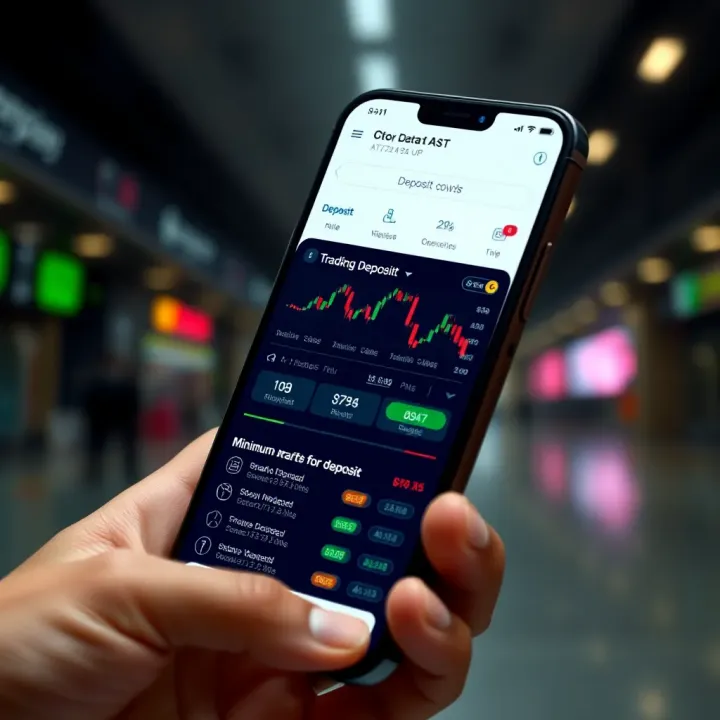
Whether you’re a seasoned trader looking for a flexible platform or a newbie curious to get started without burning a hole in your pocket, this guide is designed to help you navigate the options smartly and safely. Let's get into the nitty-gritty to see how these apps make investing accessible and what you should keep in mind before committing your money.
Minimum deposit trading apps have gained traction in India because they lower the entry barriers usually linked with investing in the stock market or other financial instruments. Unlike traditional platforms that often require a hefty initial amount, these apps let users get started with as little as ₹100 or ₹500. This makes trading accessible not just to high-net-worth individuals but also to everyday investors who might be cautious or just testing the waters.
The relevance of these apps today stems from two key factors: the rising interest in financial markets among younger Indians and the convenience digital platforms offer. Picture a college student or a small-business owner with limited spare funds—they can now dip their toes into trading without burning a hole in their pockets. This democratization of trading has opened doors for millions who were once sidelined due to financial constraints or complexity.
These minimum deposit apps also serve as a learning ground. Users can gain confidence and experience while managing real money, albeit in smaller amounts. This hands-on opportunity proves far more valuable than merely reading guides or watching tutorials. In short, these apps bridge the gap between curiosity and actual participation, making them an important part of the modern investment ecosystem in India.
At its core, the minimum deposit requirement is the smallest sum of money you need to put into your trading account to start buying or selling assets. This threshold varies from app to app — some might ask for a bare minimum of ₹100, while others might set it at ₹500 or ₹1000.
This requirement exists to ensure that users have some stake in the platform before trading, but also to keep the barrier low enough for novices or casual investors. Think of it like buying a ticket to enter a fair—you don’t want it to cost a fortune, but a small fee helps the organizers keep the show running.
The minimum deposit plays a critical role in risk management for traders as well. Because the initial sum is small, users can experiment without fearing significant losses. For instance, an app like Upstox allows a deposit starting at ₹100, encouraging even fresh starters to try their hand without much pressure.
Most minimum deposit trading apps come with user-friendly interfaces that make navigation simple for those new to investments. You’ll find:
Easy Account Setup: Quick KYC procedures using Aadhaar or PAN cards, often completed within minutes.
Real-Time Market Data: Access to live price updates and charts to help users make informed decisions.
Multiple Asset Classes: Options to trade stocks, ETFs, commodities, and sometimes even cryptocurrencies.
Educational Resources: Tutorials, FAQs, and demo accounts to practice before risking actual money.
Payment Flexibility: Support for UPI, net banking, and wallets for hassle-free deposits and withdrawals.
For example, Zerodha’s Kite app not only offers a low minimum deposit but also packs in robust charting tools to help users analyze market trends effortlessly.
Standard trading platforms often set minimum deposits that could range from ₹5,000 to ₹25,000 depending on the brokerage and the market segment. This can be a big chunk of money for someone just starting or investing casually. In contrast, minimum deposit apps slash this barrier drastically—some offering access with as little as ₹100.
This difference in deposit size isn't just about affordability but also about risk exposure. Larger deposits might be intimidating because they tie up more capital upfront. Apps like Groww and 5paisa, for example, keep the minimum deposits low to attract beginners and those wary of market volatility.
Smaller minimum deposits mean you can get into trading with pocket change, turning investing into a more everyday activity instead of a high-stakes game.
Minimum deposit trading apps have carved out their niche by catering specifically to beginners and casual investors. The low financial commitment combined with easy-to-understand user interfaces lowers the intimidation factor commonly associated with complex trading platforms.
Moreover, these apps usually focus on simplified features that remove unnecessary clutter. They might not offer every advanced tool professional traders seek, but that’s precisely to avoid overwhelming new users. For instance, up-and-coming traders won’t get lost in a maze of technical indicators or complex order types.
Apps like Angel Broking and Paytm Money have designed their platforms keeping this accessibility in mind—offering straightforward processes, clear instructions, and responsive customer support tailored for novices.
In summary, minimum deposit trading apps differentiate themselves by making investing affordable, approachable, and more attuned to the needs of those who are just beginning or trading casually without large funds at play.
Minimum deposit trading apps have become a game-changer for many Indian investors, especially newcomers. They lower the entry cost to stock markets, making trading more accessible for a wider audience. Unlike traditional trading platforms that might require hefty initial investments, these apps allow users to start trading with very little capital — sometimes as low as ₹100 or ₹500. This affordability sparks interest among people who might otherwise shy away from investing due to financial constraints.
Another big factor is convenience. Mobile trading apps tap seamlessly into India’s booming smartphone user base and reliable internet connections. People from tier 2 and tier 3 cities, who might not have easy access to brokers or full-service trading platforms, find these apps a great way to dip their toes into markets. The low minimum deposits essentially democratize access to financial markets.
India has seen a significant rise in retail investors over the past few years. With zero-commission trading platforms like Zerodha and Groww stepping onto the scene, and recent moves by SEBI encouraging transparency, small traders feel more confident to try their hand at investing. For many, minimal deposit requirements remove fear from the equation. People can test their strategies without the risk of sinking large sums upfront.
Take the example of a young professional in Pune who starts trading with just ₹500 on Upstox. Over time, as they learn and gain confidence, their portfolio grows, and they start to consider more diversified assets. This gradual learning curve wouldn’t be possible on platforms demanding higher initial investments.
Digital payment methods like UPI, Paytm, and Google Pay have revolutionized how Indians transfer money. These instant, low-cost payment systems have removed countless hurdles when it comes to funding trading accounts. Now, depositing the minimum amount is a matter of a few taps on a phone, rather than complex bank transfers.
For instance, Paytm Money allows users to top up their trading account instantly and start investing within minutes. This ease reduces friction, making it more likely for a person to act on their interest in trading rather hesitatingly. This swift fund transfer supports micro-investing habits that fit well with smaller deposit models.
Minimum deposit trading apps make it much easier for individuals with limited disposable income to enter the trading arena. In India, where many people are still budgeting tightly month-to-month, risking thousands of rupees upfront may not be feasible.
By requiring only small amounts — sometimes just ₹100—these apps open doors for a vast segment of the population. This feature is particularly beneficial during uncertain economic times when people hesitate to commit big funds but still want to grow wealth through markets.
These apps encourage users from all walks of life to participate in stock markets. From a college student in Delhi investing pocket change to a middle-aged shopkeeper in Kerala testing the waters with small savings, the low minimum deposits foster a more inclusive trading culture.
This trend can help reduce the traditional concentration of market ownership among the wealthy elite. When a larger, diverse population steps in, markets become more dynamic, and investors benefit from varied perspectives and investment styles.
In short, minimum deposit trading apps lower the gate, letting more Indians cut their teeth in financial markets with manageable risk and greater confidence. This shift mirrors India’s digital and economic growth, making the stock market a more familiar and reachable place for many.
These apps are not perfect, of course — limitations exist in features or trading scopes — but their growing popularity highlights how important affordability and accessibility are in today's investment climate.
Picking the right minimum deposit trading app can make a big difference, especially if you’re starting out or working with a tight budget. These apps vary widely in terms of features, costs, and usability. Indian traders need to look out for factors that balance cost-effectiveness with reliability and suitable tools for trading. Paying attention to security, user experience, asset options, and fee structures ensures you don't end up stuck with an app that’s more trouble than it’s worth.
When dealing with money, trust is everything. Apps regulated by authorities like SEBI (Securities and Exchange Board of India) provide a legal safety net. This means your funds are protected under Indian laws, and the platform has to follow strict guidelines. For example, Zerodha and Upstox are SEBI-registered, which gives Indian investors more peace of mind. Always double-check if the app clearly states its regulatory status to avoid falling into shady traps.
Your personal and financial information is gold for hackers. Good trading apps use encryption and two-factor authentication to keep your data locked down. For instance, Kotak Securities app includes secure login methods and regular app updates to patch vulnerabilities. Avoid apps that don’t mention data security or seem lax in their approach – it’s like leaving your front door wide open.
A clunky app can turn profitable trades into frustrating experiences. A clean, intuitive interface lets you jump from checking stock charts to placing orders without hunting through menus. Take Angel Broking’s app, for example: it’s designed with beginners in mind, allowing smooth switching between equities, commodities, and mutual funds. If your app feels like solving a Rubik’s cube every time you use it, it’s worth looking elsewhere.
Useful features like real-time quotes, customizable watchlists, or integrated news feeds make a huge difference. Apps such as Groww offer educational resources, in-app analysis tools, and alerts that help you stay on top of market moves. Beginner traders should look for apps that don’t just let you trade but also teach you, so you aren’t flying blind.
A broad selection means you’re not pinned down to just one market. Apps supporting multiple asset classes let you spread your bets – like diversifying your portfolio. Platforms like 5Paisa provide access not just to equities but also commodities and currency trading. This flexibility can be a key asset for traders looking to explore different investment vehicles.
The ability to easily diversify within the app helps manage risks. Look for apps that offer index funds, ETFs, or options in addition to stocks and commodities. Having a variety means you can weather different market conditions without putting all your eggs in one basket. For example, ICICI Direct’s platform caters to multiple financial instruments, giving Indian traders tools to build balanced portfolios.
No one likes surprise charges eating into their account. Some apps may charge for deposits or withdrawals, which can quickly add up if you’re trading on a small budget. Paytm Money is known for minimal or no fees on deposits and withdrawals, which suits casual traders in India. Make sure you understand how much every transfer costs before committing your money.
Beyond the obvious fees, watch for costs like brokerage charges, GST, and stamp duty. Hidden costs can significantly reduce your net gains. For instance, smaller platforms might advertise zero brokerage but compensate with higher spreads or inactivity fees. Clear and transparent fee structures help avoid nasty surprises that chip away at your investments.
Tip: Always spend some time reading the fine print on fees before signing up. The lowest minimum deposit doesn’t always mean the cheapest or best app overall.
Choosing an app isn’t just about the minimum deposit—it's about getting value, safety, and the right tools for your trading style. Balancing these factors can save you headaches and improve your chances of success in India’s busy trading scene.

When diving into the world of trading with minimal initial investments, knowing which apps are actually worth your time is a big deal. Popular minimum deposit trading apps for Indian users not only lower the financial entry door but also offer a window into global markets with an easy-to-use interface. This section sheds light on the top apps available locally, outlining their deposit requirements, the markets they serve, and what real users say about them. Choosing the right app can save you headaches and help you trade confidently without emptying your pockets.
One of the first things to look at is the minimum deposit amount, which can range from as low as ₹100 to ₹1,000 among various apps. For example, Zerodha's Coin platform allows you to start with a deposit as low as ₹100, making it attractive for beginners who want to test the waters without committing big money upfront. On the other hand, apps like Angel One might require slightly higher deposits but could compensate with better research tools or customer support.
The practical relevance here is straightforward: lower deposit requirements mean lower risk for newbies and more flexibility for casual traders. It also encourages a broader segment of the Indian population to start investing, overcoming the traditional barrier of needing a hefty capital amount.
These apps typically offer a mix of markets such as Indian equities, commodities like gold and silver, and currency pairs for forex trading. For instance, Upstox gives access to NSE and BSE stocks, commodities on MCX, and subject to approval, some options in currency futures.
This variety lets users diversify their portfolio without switching platforms. A trader keen on experimenting with both stocks and commodities can conveniently manage their trades from one app. But, watch out—some apps restrict access to international markets or exotic instruments unless you meet higher deposit criteria.
User experiences often highlight the speed and ease of depositing funds, with apps like Groww receiving praise for its clean interface and quick KYC process. However, some users complain about sluggish customer support or unexpected downtime during peak trading hours, which can be a deal breaker during volatile markets.
Taking reviews with a grain of salt, it’s clear that an app's reputation is shaped heavily by real-world performance, so check out recent feedback before committing your money.
Some platforms go the extra mile—for example, 5paisa offers built-in investment advisory services right within the app, while Motilal Oswal’s app boasts advanced charting tools suitable for technical traders.
On the flip side, apps with low minimum deposits might limit you to fewer order types or restrict you from margin trading. Also, watch for hidden fees like charges on withdrawals or inactivity fees that aren't always upfront.
Tip: Always weigh the extra features against potential limitations; sometimes simple platforms with fewer bells and whistles can better suit beginners starting with small amounts.
Choosing the right minimum deposit trading app involves balancing initial costs, asset diversity, user experience, and additional features against the limitations each app might impose. For Indian traders and investors stepping cautiously into financial markets, knowing these options in detail makes all the difference between a rough start and smooth sailing.
Starting with a minimum deposit trading app can feel a bit like stepping into a bustling marketplace with only a small purse in your pocket. But the good news is, these apps are designed to welcome beginners and those wary of investing large sums upfront. Navigating the signup, depositing money, and making your first trade are the cornerstones of this journey. Getting these steps right lays a solid foundation and helps build confidence in trading.
The first checkpoint is creating your account and clearing the verification hurdles. This step isn’t just red tape; it’s a critical security measure that protects you and keeps trading transparent.
KYC norms adherence: Know Your Customer (KYC) rules are mandatory across financial platforms in India. Apps comply with the Securities and Exchange Board of India (SEBI) guidelines by requiring you to submit id proofs like Aadhaar card, PAN card, and possibly your bank details. This isn’t a hassle but a safeguard to prevent fraud and money laundering. Think of it as the gatekeeper that ensures your trading playground remains safe.
Document submission and timelines: Once you submit documents—usually via clear photos or scans—the app verifies your identity. This process typically takes anywhere from a few hours to a couple of days, depending on the platform. For instance, Zerodha and Upstox usually verify KYC within 24 hours, allowing those eager to start trading to get going quickly. Being prompt with correct documentation speeds things up; missing or unclear files cause delays.
After you’re all set with account verification, it’s time to fund your wallet and get those funds ready for trading.
Payment methods accepted: Most trading apps support popular payment options familiar to Indian users—NEFT, RTGS, UPI, and net banking tops the list. Some newer platforms also accept wallets like Paytm or Google Pay, enhancing convenience. For example, Angel Broking allows UPI payments, which can be done in seconds from your smartphone.
Deposit processing times: The speed at which your deposit hits your trading account matters, especially if you want to jump on a market opportunity. In most cases, UPI and online bank transfers are instant or take a few minutes. However, traditional bank transfers like NEFT might take a few hours or up to a business day. It’s always smart to check your app’s typical processing time so you don’t get caught off guard.
With money in your account, you’re finally ready to dive into the market. But it’s best to approach this with clarity and a game plan.
Selecting assets: Choosing what to trade can feel overwhelming at first given the vast options—stocks, commodities, forex, or even mutual funds. Starting with blue-chip stocks listed on the NSE or BSE can be less risky. For example, picking shares of companies like Reliance Industries or TCS provides a relatively stable entry point. Don’t rush into exotic assets until you understand the basics.
Placing orders and monitoring trades: Most apps provide simple yet effective order placement options like market orders, limit orders, and stop-loss orders. Market orders execute immediately at current prices, while limit orders let you set your price. It’s wise to monitor your trades actively, especially in volatile markets. Apps like Zerodha’s Kite or Groww offer live price updates and alert features, helping you keep tabs on your investments without staring at the screen all day.
Tip: Begin with small trades to get a feel for order execution and market fluctuations before scaling up. This hands-on practice minimizes mistakes and sharpens your strategy.
Starting with a minimum deposit trading app is more than just about money—it’s about learning the rhythm of the market on your terms. Step-by-step, you’ll find it easier to navigate this world and make your money work smarter.
Low minimum deposit trading apps have transformed the way many Indians approach the stock market and other financial instruments. These platforms lower the barrier to entry, allowing individuals to participate in trading without a hefty upfront investment. This advantage is particularly important in a country like India, where diverse income levels mean not everyone can commit large sums right away.
Using a platform with a low minimum deposit helps newcomers feel less pressure, as they don’t have to risk large capital immediately. For example, if a popular trading app requires only ₹500 to start, it becomes far easier for a young professional or a student to dip their toes into investing. Beyond affordability, these platforms often provide flexibility in managing funds and experimenting with different trading strategies or platforms, contributing to a more dynamic learning experience.
One big advantage of starting with a low minimum deposit is the ability to experiment without risking a significant sum of money. For a beginner trader in India, investing ₹500 or ₹1000 instead of ₹10,000 means fewer sleepless nights worrying about losses. This smaller financial commitment encourages trying out different asset classes like stocks, commodities, or forex without feeling like you’re throwing your life savings into the market.
Practical application: An individual new to trading can use Zerodha’s Kite app, where the minimum deposit can be quite low, to test their strategies. Losing a small amount here doesn’t spell disaster but provides insight into market behavior and personal risk tolerance.
Trading isn’t just about money; it’s about developing a skill. These low deposit platforms offer a training ground where users can learn the ropes in a real market environment. The experience gained from live trades, even with modest sums, helps users understand how orders are executed, how pricing moves, and how emotions can affect decisions.
For instance, when you place a trade with a minimum deposit, you get firsthand exposure to order types like limit orders or stop-losses. This kind of practical knowledge is invaluable—it’s something textbooks or demo accounts can’t fully replicate.
Low minimum deposits give you the freedom to increase your investment as your confidence and knowledge grow. Instead of locking a large chunk of money from the start, you can add funds gradually, testing the waters at each step.
This method reduces the shock of immediate big losses and lets you build a trading portfolio step-by-step. For example, a trader starting with ₹500 might add another ₹500 after a month of positive experience, effectively scaling their exposure without undue stress.
Another practical benefit is the chance to try out different trading apps before settling on one that fits your style and needs. Since you’re not tied down with a large deposit, you can create accounts on apps like Groww, Upstox, and 5Paisa, each offering unique features, and compare their usability, fees, and services.
This flexibility helps find the best match and avoids the regret of committing all your resources to a platform that might not suit you. It’s like test-driving a few cars before buying one, but for your investments.
Starting small doesn’t mean thinking small. Using low minimum deposit platforms wisely can set the foundation for smart investing habits and growth in the trading world.
While minimum deposit trading apps in India offer accessible entry points into investing, it’s important to be aware of certain risks and limitations. These platforms often promise convenience and low entry barriers, but some of their shortcomings might affect your trading experience and potential outcomes. Understanding these pitfalls upfront can help you make better-informed choices and avoid surprises down the line.
Minimum deposit trading apps typically require small initial funds, which can limit the range of features available. Some advanced tools like detailed analytics, margin trading, or options trading might be locked behind higher deposit thresholds. For instance, if you're starting with just ₹100 or ₹500, you may not get access to algorithmic trading features or complex order types that seasoned traders rely on. This can restrict how you strategize and limit growth opportunities early on.
It’s a trade-off: lower deposits mean easier access but fewer bells and whistles. If you’re experimenting or just learning, this might be fine. However, if you plan to scale quickly, be prepared to switch to platforms offering richer functionalities.
Another limitation with low minimum deposit apps is that you might only get access to select markets or instruments. Some apps focus mainly on Indian equities and ignore international stocks, commodities, or forex markets. Others might exclude high-demand assets like cryptocurrencies or derivatives for low deposit users.
For example, an app accepting ₹200 as a minimum deposit might only provide basic NSE and BSE stock trading but not futures or options contracts. This restricts portfolio diversification and could hinder your ability to hedge or take advantage of different asset classes.
Being aware of these market access limits can steer you towards platforms that best suit your investing goals, especially if you want a broad market reach from the start.
Low minimum deposit platforms can sometimes surprise users with fees that are not obvious up front. These can include charges for inactivity, account maintenance, or even small transaction costs that add up if you trade frequently.
For example, a ₹10 fee on every trade might seem minor until you make 20 small trades a month—that’s ₹200 gone, which can seriously eat into your gains when you’re dealing with a small investment base. Some apps also include currency conversion fees or service charges when you deposit or withdraw, which can lessen your overall returns.
Being vigilant about the fee structure—reading terms carefully and comparing across apps—can save you from these stealthy drains on your profits.
Withdrawal policies can vary widely, and some minimum deposit trading platforms impose conditions that frustrate quick access to your money. This might include minimum withdrawal limits, delayed processing times, or surprising penalties if you withdraw before a certain period.
For instance, while you might deposit as low as ₹100, the platform might require you to withdraw at least ₹500 or charge a fee for any withdrawal below that threshold. Some platforms process withdrawal requests only on business days, delaying your access to funds.
Understanding these rules beforehand is key to avoiding liquidity issues, especially if you rely on quick cash flow or need to react fast in volatile markets.
Always remember: trading apps with low minimum deposits aren't free rides. Know their limits and fees to protect your money and keep control over your investments.
In summary, while minimum deposit trading apps can make investing more accessible, be sure to check what’s behind the scenes—like feature restrictions, market access, and hidden fees—to ensure the platform aligns with your needs and trading style.
Using minimum deposit trading apps wisely can make a big difference in your investing journey. These platforms make it easier to start small, but that doesn’t mean you can just dive in without care. Getting the most out of these apps requires knowing some practical tips that help you avoid common pitfalls and make smarter trades. Let's break down some key strategies that traders and investors in India can use to boost their confidence and results when working with low-deposit platforms.
It's crucial not to expect to hit a jackpot right away on minimum deposit apps. When you start with small amounts, gains tend to be modest—not because the platform limits you, but simply because the invested capital is small. Equally, losses can seem less painful but can add up silently if you're not careful. For example, making frequent trades hoping for quick profits might lead to high transaction costs eating into your returns.
Think of your initial trading as learning the ropes rather than a get-rich-quick scheme. Setting realistic goals, like aiming for steady, consistent growth over time, helps keep your emotions in check and decisions rational. Avoid chasing unrealistic profits which only increases risk unnecessarily.
Overtrading is a sneaky trap, especially on apps that make it super easy to place trades. Placing too many orders in a short time can rack up fees or erode your funds. For instance, say you invest ₹500 initially; making 20 small trades a day could mean paying ₹5-10 in fees repeatedly, quickly eating into your capital.
A good practice here is to plan your trades, focus on quality rather than quantity, and stick to a strategy. This way, you don’t get caught in the excitement and end up making reckless moves. Less is often more in this case.
Most minimum deposit trading apps, like Zerodha or Upstox, offer demo accounts. These are invaluable since you can try your hand at trading without real money on the line. You get to test different strategies—say, swing trading or day trading—without worrying about losing cash.
This practice phase lets you see what works and what doesn't under live-like conditions. You might find that your instinct to buy a certain stock at a dip needs tweaking before using real funds. The demo account is your sandbox; play there until you feel ready.
Getting a grip on the platform’s features is just as important as understanding the market. Demo accounts help you learn how to execute orders accurately, use tools like stop-loss orders, check charts, and track your portfolio.
For example, apps such as Groww or 5paisa have different ways to place limit orders or use technical indicators. By spending time on the app without stress about money, you can avoid costly mistakes later.
Trading apps update their terms, fees, and features periodically. Missing out on these changes can lead to surprises—say, a sudden new fee or change in withdrawal policies. Regularly checking in on app announcements ensures you stay ahead and adjust your trading habits accordingly.
For example, if SEBI introduces new regulations that affect margin trading on apps like Angel One, knowing this early helps you avoid compliance issues.
Staying up to date with platform policies isn’t just a good idea—it’s necessary to keep your investments safe and costs down.
Many apps offer bonuses, contests, or referral rewards to attract traders. Using these can give you extra trading credits or cashbacks, effectively boosting your small investment. For instance, on ET Money, you might earn extra funds when you invite friends or trade a certain volume.
Just make sure to read the fine print—some offers come with withdrawal restrictions or conditions that need to be met.
Applying these tips can turn your experience with minimum deposit trading apps into a more rewarding and less risky adventure. Start with clear, realistic goals, learn the ropes in demo mode, and stay informed about changes and offers. With patience and discipline, your small beginnings can lay a strong foundation for smart investing in India’s digital trading world.
Comparing minimum deposit trading apps with traditional brokers is vital for anyone looking into online trading, especially in the Indian market. This comparison sheds light on how the two differ in terms of costs, access, and the user experience. It helps traders understand which platform suits their unique needs and financial situations.
With traditional brokers often demanding higher initial deposits and maintaining a more formal relationship, minimum deposit apps provide a much lower entry barrier. This gives beginners or casual investors more breathing room to learn without hefty upfront commitments. On the other hand, traditional brokers usually offer a broader array of services, often accompanied by more personalized support.
Deposit requirements are one of the starkest differences between minimum deposit apps and traditional brokers. Apps like Zerodha and Upstox enable users to start trading with amounts as low as ₹100, while some traditional brokers typically require upwards of ₹10,000 or more. This difference greatly impacts trading strategies and volume, especially for new traders. A lower deposit means you can experiment without putting much cash on the line, which is a good way to learn and test strategies.
However, smaller deposits often come with limits on the size and number of trades you can execute or the range of instruments available. Traditional brokers, with higher minimum deposits, allow traders to utilize more complex strategies, including margin trading, which could be essential for serious investors.
For example, if you have just ₹500 to start trading, you’d be better off with a minimum deposit app like Groww, rather than a broker demanding ₹20,000 upfront.
Customer service can make or break your trading experience. Traditional brokers often provide phone, email, and even in-person support, sometimes catering to VIP clients with dedicated account managers. Minimum deposit apps may rely more on automated systems, FAQs, and chat support, which can be slower or less personalized. This difference is key when you face urgent issues like withdrawal delays or technical glitches.
Educational offerings vary widely. Traditional brokers sometimes provide detailed courses, webinars, and market analysis tailored to different skill levels. They often have a more extensive learning infrastructure because they target serious investors and long-term clients. Meanwhile, minimum deposit apps tend to focus on simplicity, offering beginner-friendly tutorials embedded within the app or short, concise guides.
This setup works well for new entrants who want to grasp basics quickly but might leave advanced traders wanting more.
Understanding these differences helps Indian investors choose platforms that match their trading style, risk appetite, and educational needs. Whether you pick a minimum deposit app or a traditional broker, being aware of what you get for your money and the kind of support provided can lead to smarter investment choices.
As trading apps with low minimum deposits continue to gain traction in India, it’s vital to keep an eye on what the future holds. These trends aren’t just techy buzzwords; they directly affect how accessible and efficient trading will be for everyday users. From smarter tech improving app functionality to tighter regulations making platforms safer, understanding these shifts can help you make better choices as a trader.
Improved user interfaces: User experience is making big leaps with trading apps. Apps like Zerodha and Groww have already started refining interfaces to be more intuitive—think clearer charts, simple order placements, and quick access to help. This means beginners don't get lost in a maze of options, and seasoned traders can execute orders without fuss. A clean interface reduces errors and saves time, essential for those who trade on the go.
Algorithmic trading features: AI isn’t just for the big players anymore. More apps are starting to offer basic algorithmic trading tools accessible through minimal deposits. For instance, ICICI Direct recently introduced features that help users set automatic buying or selling rules based on market conditions. This levels the playing field, letting casual traders strategize like pros without spending hours glued to the screen. However, users should still understand the basics before leaning on these tools.
Upcoming guidelines from SEBI: The Securities and Exchange Board of India (SEBI) has been tightening norms around online trading to safeguard investors. New rules under consideration include stricter KYC protocols and caps on leverage for low-deposit accounts to prevent reckless trading. While these changes might feel like hurdles, they aim to protect traders from scams and excessive losses—especially relevant for beginners testing the waters.
Consumer protection measures: Alongside SEBI's guidelines, we expect stronger measures ensuring transparency about fees and platform risks. For example, mandates on clearer disclosures regarding hidden charges and withdrawal conditions could become standard. These steps are crucial since many traders hesitate due to past experiences with surprise fees. Enhanced consumer protection builds trust and encourages more participation in financial markets.
Staying informed about these technological and regulatory updates means you can adapt your trading approach and choose apps that not only fit your budget but also keep your investments secure.
By keeping pace with these trends, Indian traders can better navigate the evolving landscape of minimum deposit trading apps, making smarter, safer decisions in their trading journey.
Wrapping up, it's clear that minimum deposit trading apps have carved a niche for themselves in the Indian investment scene. They lower the threshold for entry, making stock-market participation accessible even to folks who can't splash out big bucks upfront. The practical advantage here is that such platforms allow new traders to get their feet wet without feeling the pinch of hefty deposits – a game-changer for many.
When we talk about conclusions here, it's not just a neat summary but a chance to suss out what truly matters: choosing the right app and understanding the landscape before diving in. For example, a trader who jumps onto a low deposit platform without checking if it complies with SEBI regulations or doesn’t provide basic security features could end up losing money or data integrity. Picking the right platform is like picking the right vehicle; you want something reliable and efficient to get you to your destination safely.
Minimum deposit trading apps make investing less intimidating and more affordable. For instance, apps like Groww and Zerodha allow you to start with small amounts, giving you a taste of trading without risking a fortune. On the downside, the smaller deposits might limit access to certain markets or advanced tools. This trade-off means that while you save money initially, you might face restrictions that affect your long-term strategies. Understanding this balance helps manage expectations and plan ahead effectively.
Not all platforms are made equal; some come with sneaky fees, poor customer support, or laggy interfaces that frustrate users. Prioritising apps regulated by SEBI or listed on NSE/BSE, and those with transparent fee structures can save you from headaches. Think of it as shopping for quality – a trustworthy platform not only protects your funds but also offers valuable educational resources and trading flexibility. This awareness guides investors towards choices that suit their goals and risk tolerance.
Breaking into trading can be overwhelming, so beginning with a modest deposit is wise. This approach lets new traders experiment with different assets, like stocks or mutual funds, without worrying about losing too much. Moreover, the market is ever-changing; continuous learning through webinars, market analysis, and demo accounts helps sharpen skills gradually. For example, someone using Upstox might start with ₹500 and slowly increase as confidence builds.
Safety first – this mantra holds especially true in online trading. Choosing reputed apps with reviews backing their reliability lowers the chances of falling into scams or facing data breaches. Platforms like ICICI Direct or Angel One, known for sturdy security protocols and customer support, are safer bets. Besides guarding your money, these apps ensure smoother transactions and timely updates, which can make a big difference in a fast-moving market.
Remember: Starting small and picking the right app aren't just steps, but ongoing habits that can define your trading journey success.
By taking heed of these recommendations and understanding the nuances of minimum deposit trading apps, Indian traders can navigate this space confidently and make the most of their investments without unnecessary surprises.
Find the best online trading apps in India with low minimum deposit 💰 Get tips on safe trading, key features, and start investing smartly today!

Looking for the best lowest deposit trading app in India? Discover key features, risks, and expert tips to start trading with minimal investment 📱💰.

📱Explore best minimum investment trading apps in India! Learn features, benefits & smart strategies to invest wisely even with a small budget.💡

Discover how low deposit trading apps work for Indian traders 📱, learn key features, benefits, risks, and smart tips to trade safely and confidently.
Based on 13 reviews