
Choosing the Best Online Trading App in India
Explore top online trading apps in India 📱! Get insights on features, costs, security, and ease of use to pick the best platform for safe investing. 🔒💸
Edited By
James Harrison
Choosing the right online trading app isn't just about flashy interfaces or catchy ads. It comes down to matching the app's features with your trading goals and comfort level. Before you even download that app, get clear on what you want from your trading experience.
Start with Your Trading Style. Are you a day trader looking for real-time data and quick order execution? Or do you prefer a slow, steady approach with automated portfolio management? For example, an app like Robinhood suits casual traders with its straightforward design, while Thinkorswim by TD Ameritrade offers advanced tools for active traders.

Understand the Fee Structure. Not all apps are created equal when it comes to costs. Some boast commission-free trades but may charge for data subscriptions, withdrawals, or premium features. Take Webull: it offers zero commissions but be aware of margin rates if you borrow funds. Always check the fine print to avoid surprises that eat into your profits.
Security Is Non-Negotiable. With cyber threats rampant, an app's security measures should top your list. Look for two-factor authentication, encryption standards, and FDIC or SIPC insurance where applicable. Apps like E*TRADE and Fidelity have solid reputations here, but smaller platforms might lack robust safeguards.
User Experience Matters. If your app crashes or lags when the market moves fast, you could miss opportunities. Test apps with demo accounts if possible. A cluttered interface might look impressive but can slow decision-making. Apps like Charles Schwab offer a balanced layout, blending simplicity and depth.
Investment Options and Tools. Not all apps support every asset type. If you want access to cryptocurrencies, check if the app allows trading Bitcoin or Ethereum. For bond investors, see if fixed-income products are available. Plus, useful tools like research reports, news feeds, and charting functions can give you an edge.
Picking the right online trading app boils down to knowing your priorities and then seeing which platform checks those boxes without hidden catches.
In summary, map your trading style, budget your expenses, prioritize security, and try the app interface before committing. These steps help ensure the app you pick supports your financial ambitions without headaches or surprises.
When selecting an online trading app, the key features it offers can significantly impact your trading success and day-to-day experience. You want an app that fits your style, whether you’re a casual investor or an active trader. Let’s break down the crucial elements to consider.
Navigation simplicity plays a huge role for both beginners and seasoned traders. An app cluttered with buttons and confusing menus can slow you down, especially when you need to act fast. For example, apps like Robinhood and Webull offer clean interfaces that make finding stocks, placing orders, and checking your portfolio straightforward. Smooth navigation cuts down on mistakes and lets you focus on trading rather than figuring out where to tap.
Customization options let you tailor the app to your preferences. This might mean arranging your watchlists, setting up alerts for price movements, or adjusting chart types. Think of it as building a personal workspace; apps like E*TRADE and TD Ameritrade’s thinkorswim cater well to traders who want to choose what data and tools to see at a glance.
Most trading apps cover stocks, ETFs, and mutual funds, which are staples for investors building diversified portfolios. Check if the app offers access to smaller or international exchanges too. Fidelity, for instance, provides a vast range of mutual funds without transaction fees, appealing to buy-and-hold investors.
If you’re more into derivatives, see whether the app supports options and futures trading. Options chains, expiration dates, and strategy builders become vital here. Thinkorswim and Interactive Brokers are known for powerful options trading capabilities tailored for advanced users.
With the rise of digital assets, cryptocurrency offerings are increasingly prominent. Not all apps provide crypto trading, and those that do vary widely in coin selection and security features. Coinbase and Binance US let you trade popular cryptos like Bitcoin and Ethereum, but watch out for different fee structures and withdrawal limits.
Strong charting and technical indicators help traders spot market trends and time their trades. Simple moving averages, RSI, Bollinger Bands—these tools are standard but essential. TradingView’s integration in several apps shines here, offering customizable charts that can fit any strategy.
Real-time market news and updates keep you in the loop on events influencing the market. Apps like Bloomberg or CNBC provide headlines right inside their platforms, so you don’t need to switch between tabs. Staying updated can give you an edge, especially during volatile sessions.
Lastly, solid educational resources matter. Whether you’re new to investing or honing your skills, accessible guides, webinars, and tutorials embedded in the app save you from hunting down info elsewhere. For example, Schwab’s app includes lessons and articles designed to build confidence and knowledge.
Picking an online trading app isn’t just about picking a name you recognize. Dig into these features to find one that will actually work for how you trade and invest every day.

Understanding the costs and fees involved in online trading apps is key to picking the right platform. These expenses directly impact your overall returns, so knowing what you’re signing up for can save you from unpleasant surprises down the road. Costs can vary widely between apps, depending on how they charge for trades, account maintenance, or extra features.
Many online trading apps now offer commission-free trades, especially for stocks and ETFs, making it easier and cheaper for casual investors to get started. For example, popular platforms like Robinhood and Webull don't charge per trade commissions. However, some apps still use a per-trade fee model, charging anywhere between $4.95 and $9.99 per trade, typical for full-service brokers like Charles Schwab or E*TRADE.
It's important to check whether "commission-free" truly means zero fees. Some platforms might charge for options trades or have higher spreads on securities. These fees add up if you're an active trader, so consider how often you trade before picking an app.
Account minimums and inactivity fees are another piece of the puzzle. Some apps require a minimum deposit to open an account—say $500 or $1,000—which might block entry for casual investors. Other platforms, like M1 Finance, have no minimums but could impose inactivity fees if your account stays dormant for months. These extra charges can quietly cut into your gains, especially on smaller investments.
If you’re trading on margin—borrowing funds to buy more securities—understand the margin interest rates. These rates can vary significantly: some apps charge as low as 7% annually, while others can hit double digits. Since interest accumulates daily and adds up, using margin without knowing rates is a quick way to lose money.
Data and premium features may also come with costs. While basic charts and news updates are usually free, more advanced analytics or real-time market data might require a subscription. For instance, platforms like TD Ameritrade offer premium market insights or trading tools for a monthly fee. Before committing, see if the added features are worth paying for or if free alternatives like Yahoo Finance suffice for your needs.
Remember, what seems like a small monthly fee can add up over a year, so factor these into your cost calculations before choosing a trading app.
In short, always read the fine print on fees and compare multiple platforms. Knowing the full cost picture helps you choose an app that fits your trading style without eroding your profits.
When choosing an online trading app, security and trustworthiness should be at the top of your list. With sensitive personal and financial information at stake, a solid foundation of safety measures protects you from potential fraud and data breaches. Understanding how these apps handle regulation and data security helps you avoid platforms that might put your assets or information at risk.
The SEC (Securities and Exchange Commission) regulates firms that offer securities trading in the U.S. A trading app registered with the SEC complies with strict rules designed to protect investors. SIPC (Securities Investor Protection Corporation) offers another safety net by insuring your brokerage account up to $500,000, including $250,000 in cash. This means if your brokerage goes under, you’re less likely to lose your money. For example, apps like Charles Schwab and Fidelity emphasize their SEC registration and SIPC coverage, giving users a clear sense of security.
Beyond SEC registration, trustworthy trading apps must comply with additional regulations such as FINRA rules and anti-money laundering laws. These requirements enforce transparency and fair dealing, reducing risks of fraud. For instance, a platform that regularly audits its system and follows strict Know Your Customer (KYC) protocols helps prevent identity theft and ensures traders are genuine. Skipping this step could expose users to unregulated and risky trading environments.
Encryption scrambles your data so unauthorized parties can’t read it, whether during transmission or storage. Trusted trading apps use encryption protocols like TLS (Transport Layer Security) to secure your login details and transactions. For example, Robinhood and E*TRADE protect user data by encrypting communications, reducing the chance of hacking or interception — especially critical on public Wi-Fi networks.
Two-factor authentication (2FA) adds a second layer of verification, usually requiring a code sent to your phone or an app in addition to your password. This simple step blocks hackers who might have stolen your password. Many trading apps encourage or require 2FA to keep accounts secure. TD Ameritrade, for instance, offers biometric logins like fingerprint recognition, improving security without making access cumbersome.
Prioritizing regulatory compliance, strong encryption, and smart login protections ensures you can trade confidently without worrying about security breaches or fraud.
In a nutshell, verifying that a trading app complies with regulations and implements strong security measures helps you steer clear of scams and protects your financial well-being. When your app takes trust seriously, it makes a concrete difference in how safely you can operate in volatile markets.
When picking an online trading app, user experience and customer support often make or break your daily trading routine. A smooth, reliable app helps you act quickly during market swings, while solid support can save you hours of headaches when problems pop up. Traders need confidence that their app won’t crash during critical moments and that help is just a quick call or message away if something goes wrong.
Speed and downtime history matter more than most casual users realize. If an app takes forever to load prices or executes trades sluggishly, your profits could slip away in split seconds. For instance, high-frequency traders depend on near-instantaneous execution; even a short delay could mean missing out on key opportunities. Look for apps with proven uptime stats—many disclose this on their websites or in user reviews—and avoid platforms known for outages during busy trading sessions.
Compatibility across devices is also critical. You should be able to monitor your portfolio on a desktop during work hours and switch to your phone or tablet while on the go without hiccups. Some apps offer full-featured versions on desktops and simplified mobile companions, while others provide equally robust experiences across platforms. Think about where and how you’ll trade most often and pick an app that matches that style without forcing clunky workarounds.
Live chat availability is a game-changer when you hit a snag or just need quick clarity. Unlike waiting for email replies—which can take hours or days—live chat gets you instant answers, often from trained support reps ready to troubleshoot or explain complex features. If you bet big on an app, check if live chat support is offered 24/7; markets never sleep, and neither do your questions sometimes.
Phone and email support remain important, especially for complicated issues or when you prefer talking to a real person. Some services restrict phone support to business hours, which isn’t always ideal but knowing the hours upfront keeps expectations clear. Email tends to be slower but useful if your concern isn’t urgent but needs documentation, like questions about fees or technical problems.
Community forums and FAQs offer another layer of help, especially for common issues or learning curves. If your app hosts an active user forum, it lets you tap into peer experience that sometimes solves problems faster than official support. FAQ sections are handy for quick how-tos, definitions, and standard troubleshooting steps. Just be wary—forums can sometimes spread misinformation, so cross-check answers with official resources.
Bottom line: A trading app isn’t just about features and prices; the real test is in how it handles you when things get tough. Reliable performance paired with accessible, effective support keeps you trading confidently, no matter what the markets throw your way.
Picking the right trading app means weighing how well it fits your personal trading style and investment goals. Not every app suits every trader — what works for a newbie might feel clunky to a day trader, and an app tailored for short-term trades might not support long-term investing features. Matching the app to your approach helps you avoid features you don’t need and ensures access to tools that actually make a difference.
Guided tutorials help new investors get off the ground without feeling lost. These step-by-step lessons often cover everything from basic order types to understanding fees and market jargon. For example, Robinhood offers clear, straightforward tutorials and tips within the app, which helps beginners feel confident making their first trades without jumping into complex tools.
Simplified interfaces strip away clutter and focus on ease of use. Beginners benefit from apps that organize information clearly and avoid overwhelming charts or advanced indicators. E*TRADE’s mobile app is a decent example — it keeps the layout clean and only surfaces key info, making it less intimidating while still offering enough for newcomers to explore gradually.
Advanced charting tools provide deeper insight into market trends for traders who rely on technical analysis. These tools offer customizable charts, a variety of indicators, and drawing tools to spot patterns. Think Thinkorswim by TD Ameritrade — it caters to active traders who want detailed data and the ability to create complex strategies directly in the app.
Real-time data feeds are a must for anyone making quick trades. Lag in price updates can mean lost opportunities or trading based on outdated info. Apps like Interactive Brokers deliver near-instant updates on pricing and news, empowering users to react promptly to market moves.
Automated portfolio management simplifies long-term investing by handling asset allocation and rebalancing for you. Services like Wealthfront or Betterment automatically adjust your portfolio based on risk tolerance and market shifts. This hands-off approach helps you stay on track toward your goals without fiddling with every trade.
Recurring investments allow you to build wealth steadily over time by scheduling regular contributions. Many apps support setting up weekly or monthly buys, smoothing out market timing risks. For example, M1 Finance lets you automate deposits into designated portfolios, making steady investing feel more automatic and less stressful.
Matching your trading app to your style and goals isn't just about tools — it's about helping you trade smarter and stay consistent, whether you're starting out or scaling up.
The bottom line: considering your level of experience and what you want to achieve makes it easier to pick an app that works with you, not against you.
Explore top online trading apps in India 📱! Get insights on features, costs, security, and ease of use to pick the best platform for safe investing. 🔒💸
Discover how to pick the right online stock trading app in India 📱. Learn about key features, benefits, security, and tips to match your trading style.
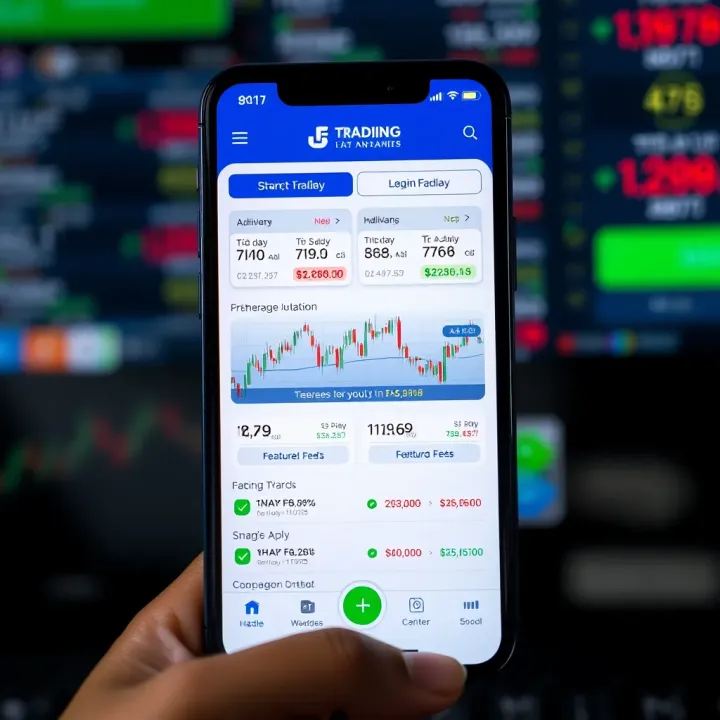
Choose the best low brokerage trading app in India 📱 Compare features, fees, and tips to invest smartly and save money on every trade 💰
Discover the best live paper trading apps to practice stock trading risk-free 📈. Learn how to pick the right app & confidently switch to live trading in India 🇮🇳.
Based on 12 reviews