
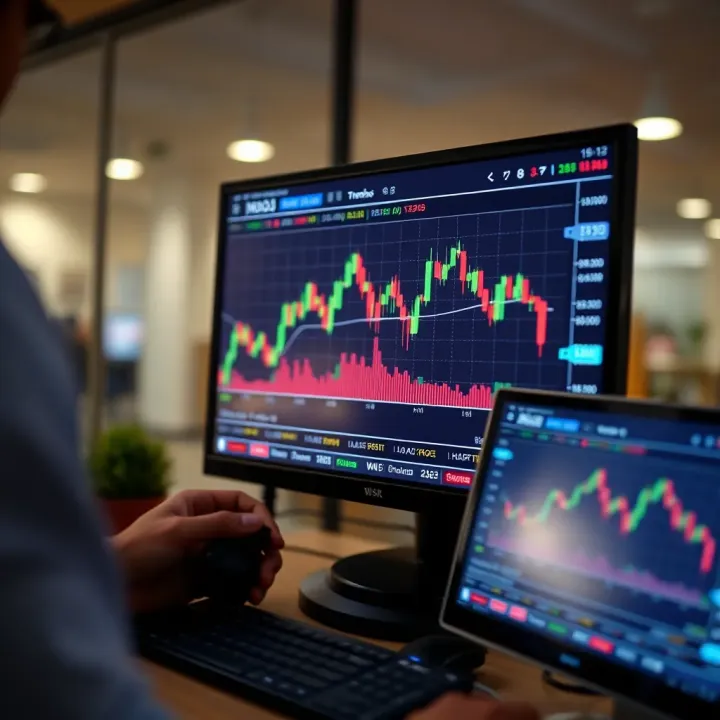
Live Paper Trading Guide for Indian Traders
📈 Learn how live paper trading works in India! Practice strategies risk-free using top platforms, avoid pitfalls, and boost your trading skills today.
Edited By
Oliver Thompson
Every trader, whether a newbie or a seasoned pro, knows the value of practice before putting real money on the line. Live paper trading apps fill this need perfectly by offering a risk-free environment to test strategies and sharpen skills. They're particularly crucial in markets like India’s, where stock, commodity, and derivative trading comes with its fair share of quirks and rapid fluctuations.
Given the sheer number of apps available today, picking the right one can feel like finding a needle in a haystack. But the right choice can make a big difference—helping you build confidence without the fear of losing cash. Through this article, we’ll break down what to look for in these apps, explore top picks suited for Indian traders, and offer tips on using paper trading effectively before jumping into live markets.
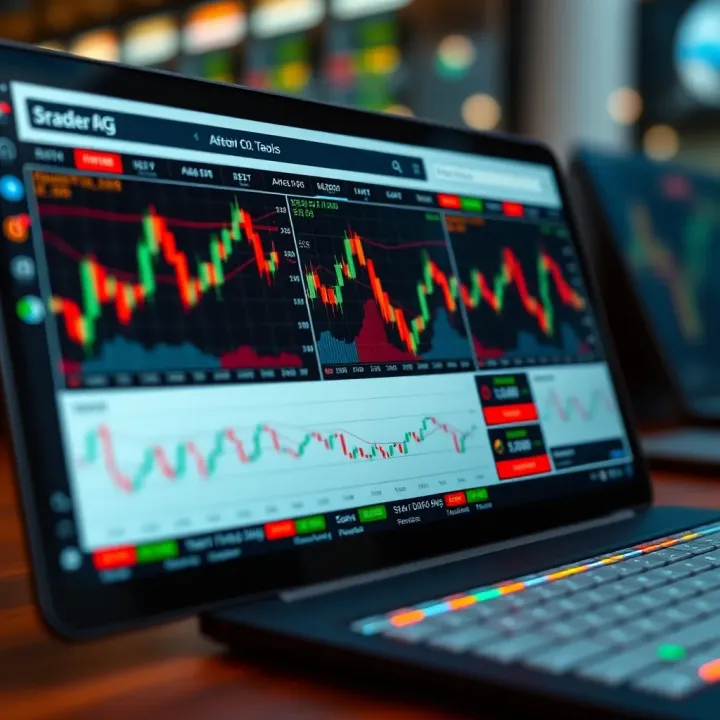
Practicing with the right tools doesn’t just improve your skills—it helps you understand market behavior and manage emotions when actual money is involved. A good live paper trading app acts like a flight simulator for pilots: a safe space to train, screw up, and learn before taking off for real.
We’re covering everything from the essential features these apps should have, to how they tie into your overall investing journey in India’s dynamic context. Ready to find the perfect app and boost your investing confidence? Let’s dive in.
Getting a grip on live paper trading apps is a must for anyone serious about stepping into the trading world without risking real cash right away. These apps create a risk-free space to try out different trading moves and strategies, which is a huge deal if you want to sharpen your skills.
Think of it like driving a car in a simulator before hitting the streets. It’s one thing to read about trading or watch charts, but it's quite another to practice making trades with live market conditions minus the financial risk. For instance, a trader in Mumbai could test buying and selling shares of Reliance Industries during peak market volatility without sweating over actual losses.
These platforms often mirror real market data and show what trading would look like if real money were involved. They’re handy for spotting what works and what doesn’t before things get serious.
Paper trading is simply a simulated trading practice where you place trades without using real money. The main point of this exercise is to learn the ropes – understand market behavior, test different strategies, and make mistakes without suffering any losses.
If you’re an investor new to stocks, paper trading lets you try out buying shares of companies like Infosys or TCS to see how your trades might perform when the market moves. It’s a safe playground for experimentation and growth.
While paper trading mimics real trading, the emotional stakes are not the same. Real trading impacts your finances directly, so fear, greed, and anxiety often influence decisions. Paper trading removes these emotions, which can be both a blessing and a pitfall.
For example, you might aggressively trade large quantities of shares in a paper account because there’s nothing to lose, but in real trading, such risk-taking might be unrealistic or unwise. Recognizing this gap is important.
Live paper trading apps fetch real-time stock prices, market news, and other critical data to create an environment that closely reflects actual market conditions. This means the price of Tata Motors shares you see in the app changes minute-by-minute as it does on the real market.
Because of this, you get to experience the pressure and excitement of market shifts, but without financial risk. It’s a chance to understand how sudden market news or events like RBI policy announcements might affect your portfolio.
These apps keep a detailed record of your trades, profits, and losses, giving you a clear picture of how well your strategies are working. You can analyze which trades delivered good returns and which didn’t, helping you fine-tune your approach.
For instance, if you consistently lose money when trading certain sectors or during particular timings, the app’s performance reports help you spot these patterns early.
Remember, while paper trading app scores don't carry the weight of real gains or losses, they’re invaluable for building your investing skills and confidence safely.
In summary, understanding what live paper trading is and how these apps function lays the groundwork for making smarter, more confident moves when you finally decide to trade with real money. It’s all about learning the ropes without the ouch factor of losing actual cash.
Live paper trading apps offer a sandbox where traders can sharpen their skills without risking a dime. This risk-free setting is especially valuable in the unpredictable Indian market, where fluctuating policies and global events can shake confidence. These apps provide a no-stakes environment to test and learn, which can smoothen the step into real money trading.
Testing trading strategies without financial loss is the prime advantage of live paper trading apps. Imagine you're curious about a tricky options strategy like a straddle. Diving into it directly in the market could burn money quickly if misjudged. But with paper trading, you can experiment with strikes, expiry dates, and premium changes all day long without sweating over losing capital. This freedom helps build experience—often overlooked but sorely needed—before tackling the real deal.
Paper trading tools let you engage with real-time or near-real market data, giving insights into how stocks or commodities move throughout the day. Unlike reading charts in theory, seeing price swings and volume in action enhances your grasp on market rhythms. For instance, you might notice how NIFTY reacts before a government budget announcement or how specific sectors move with RBI policy changes. This kind of hands-on observation cultivates intuition which textbooks rarely provide.
Making trading decisions is part art, part science—and both require practice. Live paper trading helps you sharpen judgment by forcing choices under simulated conditions that mimic the actual market’s pace and unpredictability. For example, getting used to cutting losses quickly or letting profits run can be practiced repeatedly until the behavior becomes second nature. Since there’s no real money on the line, you get to analyze your wins and losses dispassionately and build better trading habits before you put your cash on the table.
Using paper trading to test your trading plan highlights what works and what doesn’t without wiping out your bankroll. Maybe your plan excels with momentum stocks but fails during sideways markets. Or perhaps your position sizing is too aggressive, leading to sharp simulated losses. By systematically tracking each trade’s outcome, you can pinpoint those patterns clearly and objectively.
Once weaknesses show up, it’s easier to refine your approach before risking actual money. Say you realize your timing on entry is too slow—paper trading lets you tweak your indicators or alerts so you lock in trades closer to ideal points. Over time, this iterative process enhances your strategy’s edge and steadies your confidence, ensuring you enter live markets better equipped to handle real-world stress.
Remember, the ultimate goal isn’t just to win on paper but to build a solid, adaptable foundation that works once you take the plunge with actual investments.
In short, live paper trading apps play a crucial role in converting theoretical knowledge into practical skills, making it safer and smarter to invest in volatile markets like India’s. They’re the rehearsal before the final act, helping you step onto the stage with confidence rather than hesitation.
When it comes to picking a live paper trading app, not all are made equal. The right app can sharpen your skills and boost confidence, while a clunky one might leave you frustrated and confused. Here are some key features that matter most, especially if you’re seeking a smooth transition from simulated to real trading.
Trustworthy real-time data is the backbone of any trading app. Imagine trying to test a strategy with prices that lag by even a few minutes—it’s like trying to hit a moving target blindfolded. Accurate, up-to-date prices and market news allow you to practice decisions based on actual market conditions, which helps you better understand price swings and volatility.
For example, Zerodha Kite offers streaming live quotes with minimal delay, allowing you to react to market shifts just like in real trading. Without such features, you risk developing habits that won’t hold up when real money’s on the line.
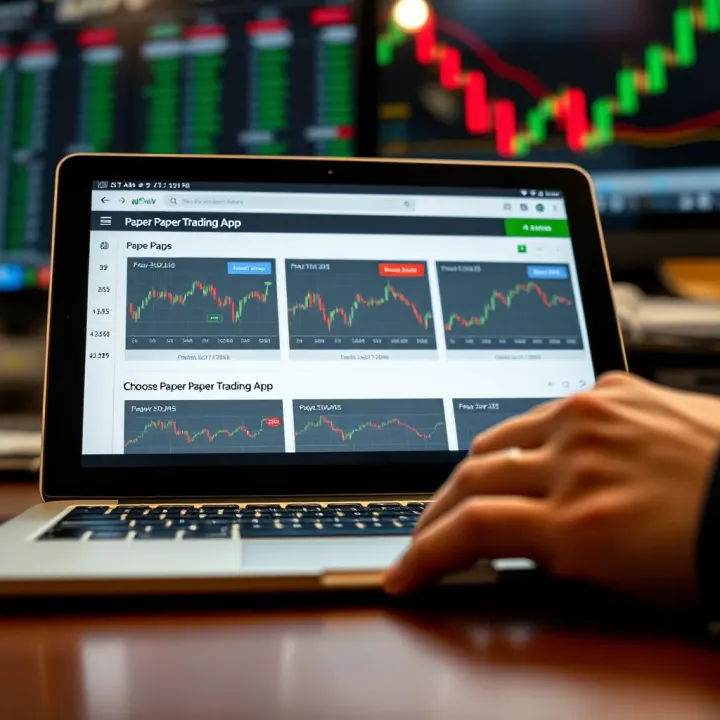
Ease of navigation is non-negotiable. When you’re focusing on learning trades and strategies, fumbling around the app for basic functions wastes valuable time and breaks concentration. A straightforward menu, intuitive order placement, and quick access to watchlists and portfolios make a huge difference.
Clear visualization of trades and portfolios is equally important. You want at-a-glance insights into how your simulated investments are performing. An app that shows profit/loss graphs, trade history summaries, and current positions clearly can make patterns stand out—helping you learn faster. Take Angel Broking’s app, for instance; its dashboard provides an easy snapshot of your trade performance along with detailed breakdowns.
Tracking how you’re doing means more than just watching numbers go up or down. Good apps offer performance metrics like win rates, average loss/gain, and risk-to-reward ratios. These insights help you fine-tune your trading tactics and avoid repeated mistakes.
Along with metrics comes learning from trade history – having detailed records that allow you to review past trades, identify where things went sideways, or spot success factors. It’s like having a personal trading diary that points out what’s working and what’s not. Upstox Pro’s paper trading includes such reports, which allow traders to deeply analyze their strategies.
No two traders are alike; some prefer stocks, others like options or futures. A robust paper trading app lets you simulate different asset types and order types, allowing you to practice exactly what you plan to trade in the real world. This flexibility makes the simulation more realistic and helps develop a broad skill set.
For example, if you want to test options trading strategies, the app should support various order types like limit, market, stop-loss, and bracket orders. Without these, your practice won’t prepare you fully for live markets where these options are essential tools.
Picking an app with real-time data, a clean interface, detailed analytics, and flexible trading options is like equipping yourself with a full toolkit. These features reduce surprises and build your confidence before putting real money on the line.
In short, always look beyond the surface—dig into what the app offers in terms of data freshness, usability, insight, and adaptability. These aspects ultimately shape your readiness and comfort when moving to live trading.
India's growing interest in stock trading has led to a surge in live paper trading apps tailored specifically for local users. These apps do more than just simulate trading; they provide a realistic platform that mimics Indian market conditions, enabling traders to experiment and learn without risking real money. Choosing a popular app with strong local support and features can be a game changer in building trading confidence.
Zerodha Kite is one of India's leading trading platforms, widely appreciated for its clean interface and reliable execution. Its paper trading feature allows beginners to try out strategies using real-time data from the National Stock Exchange (NSE) and Bombay Stock Exchange (BSE). Users can simulate buying or selling equity, commodities, and options with instant feedback on order execution and portfolio impact. This hands-on practice helps traders understand order types, market depth, and slippage without the pressure of real losses.
Upstox Pro offers a powerful yet user-friendly paper trading experience focused on analytics and speed. Its simulation environment supports multiple asset classes with quick order placement and an easy-to-navigate dashboard. A key strength lies in its integrated charts and technical indicators, which assist traders in honing technical analysis skills. For those looking to test day trading or swing trading tactics, Upstox Pro's paper trading serves as a practical and low-cost testing ground.
Angel Broking's paper trading app stands out for blending education with simulation. It incorporates market news, expert tips, and in-app tutorials alongside the demo trading feature. This all-in-one approach helps users learn the ropes while actively applying their knowledge. The app supports a variety of trading instruments and includes alerts for important market events, enhancing situational awareness during practice sessions.
Most popular live paper trading apps in India, including Zerodha Kite, Upstox Pro, and Angel Broking, offer their simulation platforms free of charge. This no-cost entry point is especially appealing for new traders who want to experiment without financial commitment. However, some apps might reserve advanced features or detailed analytics for premium subscribers — something to keep in mind when evaluating long-term usability.
Each of these platforms provides both mobile apps and desktop versions, but the experience can differ. Zerodha Kite’s desktop application offers a more detailed interface suitable for in-depth analysis, while its mobile app is tailored for quick trades and market tracking on the go. Upstox Pro delivers a streamlined mobile app that’s fast and responsive, making it a favorite among active traders who prefer flexibility. Angel Broking balances both worlds, with mobile apps that include educational tools alongside desktop versions meant for more comprehensive charting and order management.
When selecting a live paper trading app, balancing cost and device preference is crucial. Free platforms with both robust mobile and desktop versions maximize accessibility and learning opportunities without budget strain.
By understanding what each app offers and how they charge (or don’t), traders in India can pick the right tools that fit their trading style, tech habits, and learning pace.
Getting started with a live paper trading app is a practical first step for any trader aiming to hone their skills without the risk of losing real money. This phase removes the fear factor associated with real investing and allows you to understand market dynamics in real time. By diving into the setup and trade execution process, you gain hands-on knowledge that can drastically improve your confidence and strategy before actual investment.
The first hurdle is signing up, which most apps keep straightforward. Usually, it involves filling out basic details like your name, email, and phone number. Some platforms might ask you questions about your trading experience to tailor the learning curve. Unlike real trading accounts, paper trading apps often don’t require complex KYC (Know Your Customer) steps at this stage, making registration quick and hassle-free. For instance, Zerodha Kite’s demo account lets beginners jump right in without linking bank details immediately.
Quick tip: Choose an app that offers an easy signup process without demanding personal info upfront, if your goal is just to practice.
While many paper trading apps don’t need you to link bank accounts since no real money is involved, a few might ask for verification to mimic the live trading environment more closely. Linking helps simulate order settlements and fund movements, adding realism to your practice. For example, Upstox Pro provides a demo setup where you can optionally link your bank or UPI ID to experience smoother transitions later on when switching to actual trading.
Remember, linking accounts in paper trading doesn’t charge you but prepares you mentally for the real trading discipline of handling money and accounts responsibly.
Once your account is up and running, picking the right securities to trade is crucial. Focus on stocks or options that interest you or align with your investing goals. For example, if you’re curious about technology stocks, try paper trading Infosys or TCS shares. Or, if options intrigue you, look into Nifty or Bank Nifty contracts. This phase is about experimenting — you might start with familiar names or sectors you follow in real life to keep things relatable.
Avoid scattering your trades too thin by randomly jumping into several stocks at once. Concentrate on a couple of picks and explore different order types like market orders or limit orders to understand their impact.
Execution in a paper trading app mirrors live trading, so click through as if real money is on the line. Place your trade and watch how the app processes it — do prices update in real time? Can you see your order book and profit/loss changes clearly? Monitoring your trades is just as vital as placing them. Check how market news or events affect your positions.
For example, if you buy Reliance Industries shares on the app and global oil prices shift, observe how this impacts your paper portfolio’s value. Use the analytics and trade-history tools offered by apps like Angel Broking to identify patterns or mistakes.
Treat every simulated trade like it’s real money — this mindset builds the discipline crucial for live trading success.
By thoroughly setting up your account and carefully placing your initial trades, you lay a strong foundation for becoming a confident investor. This practical approach lets you learn by doing, revealing the nuances of order types, market reactions, and personal trading habits without risking a single rupee.
Paper trading is a fantastic way to build your trading skills without risking real money, but it's easy to fall into certain traps that can slow your progress or give a false sense of confidence. This section highlights common blunders that many traders make while paper trading and explains why avoiding these helps you get closer to successful real trading. Taking care to sidestep these errors makes your practice more realistic and valuable.
One biggie is underestimating the role emotions play when real money is on the line. In a simulated environment, you don’t feel the pressure of actual financial risk, so stress and anxiety levels are much lower. For example, you might be relaxed watching your virtual portfolio dip, knowing it won’t actually hit your bank account. But in a real scenario, even a small loss can trigger panic or rash decisions.
Understanding this gap is crucial. It’s not just about the numbers; it’s about managing fear, greed, and impatience. The practical takeaway? Use your paper trading sessions to mentally prepare for these emotions. Simulate stressful moments, such as quick market swings, and practice sticking to your plan despite the discomfort. Over time, this builds emotional resilience that smooths your real trading experience.
Emotional discipline often separates consistently profitable traders from those who flit in and out, chasing quick wins.
Paper trading can give you a false sense of freedom to experiment endlessly, but this can lead to bad habits like overtrading. It’s tempting to put on tons of trades since no money is lost — but piling up trades without a clear strategy dilutes your learning and can create confusion.
Keeping discipline in simulated trading means setting limits just like in real trading. For instance, decide on a daily maximum number of trades or stick to only your most promising ideas. This mirrors real conditions and helps you practice patience and selectivity, key components of trading success.
Understanding risk management during paper trading is equally vital. Treat your simulation capital like real money: don’t throw it all into highly speculative trades or ignore position sizing rules. For example, if you decide to risk only 2% of your simulated portfolio per trade, keep that consistent. Practicing sound risk control helps you avoid devastating losses later when real money is involved.
By keeping disciplined and applying real risk management routines in your paper trading, you train your brain to treat simulated trades with the seriousness they deserve — increasing your odds of a smoother transition to live markets.
Transitioning from paper trading to real trading is a pivotal step in a trader's journey. Paper trading helps build skills without the fear of losing actual money, but it can't fully replicate the emotional highs and lows of real market stakes. Knowing when you're ready and how to take the plunge gradually reduces the risk of costly mistakes and builds your confidence.
Taking this step too soon can lead to rash decisions driven by emotion, while delaying it for too long might result in missed opportunities. Understanding the right signs and managing risk carefully as you switch will make your entry into live trading smoother and safer.
One of the clearest signals that you're ready to move into real trading is consistently profitable results in your paper trading. This shows you have developed a strategy that works in various market conditions, not just through luck or isolated wins. For example, if your simulated trades have been profitable for at least 3 to 6 months, covering different types of stocks or assets, it’s a positive sign.
But profitability alone isn’t everything—you should also be able to explain why certain trades worked or failed. Reflecting on past trades sharpens your skills and prepares you for real money decisions. If you can't consistently turn a gain in simulation or if your profits come from risky stunts rather than sound strategy, it’s a cue to keep practicing more.
Knowing how market orders, stop-losses, margin, and different investment products function marks your readiness. For instance, understanding how an intraday order differs from a delivery trade on platforms like Zerodha Kite or Angel Broking helps you avoid beginner pitfalls. This knowledge includes following economic events, managing leverage, and reacting to volatility.
Before going live, you should feel comfortable with reading charts, interpreting news related to Indian markets, and navigating trading platforms confidently. Without this base, transitioning may feel overwhelming and lead to hasty errors.
Jumping headfirst with a large sum is tempting but risky. A cautious approach means starting with small investments, maybe 5-10% of the capital you intend to use over time. This lets you test how your strategies hold up when real emotions like fear and greed enter the mix.
Think of it as dipping your toes before swimming in the ocean. For example, if you plan to invest ₹100,000, start with ₹5,000 to ₹10,000. This method helps adjust your mindset, refine execution, and measure real costs such as brokerage fees and taxes, which don’t show in simulated trading.
A practical risk management tool is using stop-loss and limit orders to control losses and secure gains automatically. Setting a stop-loss means you decide the maximum loss you’re willing to accept on a trade beforehand, which prevents you from holding a losing position in hopes it will turn around.
For example, if you buy shares at ₹200, placing a stop-loss at ₹180 means your position will be sold automatically if the price drops to that level, limiting your loss. Similarly, using a limit order helps execute a trade at your desired price instead of market price, preventing slippage.
Implementing these tools create discipline and keep emotions in check. They’re like your safety net when real money flows in.
Remember: Trading with real money is not just about strategy but also about managing emotions and expectations. Transitioning gradually, with a clear understanding and risk management tools, forms the backbone of confident investing.
In summary, monitor your simulated trading results, sharpen your market knowledge, start investing real money little by little, and always use stop-losses and limits. These steps help protect your capital and make the shift from paper trading to live markets less daunting and more rewarding.
For traders in India, tapping into the right educational and informational resources can make a world of difference. Beyond just practicing with live paper trading apps, understanding the broader financial environment and sharpening your skills through reliable resources builds solid ground. These resources provide insights into market regulations, trading psychology, and up-to-date data that influence decision-making in real trading environments.
The National Institute of Securities Markets (NISM) offers courses tailored for different levels of trading knowledge. These courses are designed to help Indian traders grasp crucial concepts such as market operations, compliance norms, and risk management. Completing a NISM certification not only boosts your understanding but is often required by brokers for certain types of trading accounts. For example, the NISM Series-VIII Derivatives Certification helps traders grasp derivatives trading, which can then be practiced in paper trading apps for better familiarity.
Taking these courses provides a structured learning path, filling gaps that self-directed trading can leave open. If you’re starting out or even looking to validate your knowledge, these certifications are practical steps toward confident trading.
Joining communities like the Traderji forum or Reddit’s r/IndianStockMarket can offer day-to-day insights and real-life experiences from other Indian traders. These spaces allow you to discuss strategies, share mistakes, and get feedback from people facing similar market conditions.
The value here lies in community wisdom and diverse perspectives. For instance, if you’re unsure about how a sudden RBI rate cut might influence your paper trades, these discussion groups often provide real-time opinions that can guide your decision making. Actively participating in such groups enriches your learning and keeps you grounded in real-world trading emotions and challenges.
Economic calendars are vital tools that track important financial events like Reserve Bank announcements, GDP releases, or inflation data. Knowing when such events will take place helps traders anticipate market volatility, an element crucial for both simulated and real trades.
For Indian traders, relying on a calendar focused on local events ensures that paper trading decisions mirror actual market conditions. For example, if you know an important fiscal budget announcement is coming, you can observe how your paper trades react to the event, helping you prepare for similar real scenarios later.
Apps such as Moneycontrol, Economic Times Markets, and BloombergQuint provide up-to-the-minute news specifically about Indian stocks, sectors, and economic changes. Staying plugged into these channels helps maintain a realistic context for your simulated trades.
By regularly following market news on these apps, you can spot breakout stocks or emerging trends and test them in your paper trading app. This habit keeps your simulated trading aligned with what’s actually happening, making your practice more effective and less like playing a guessing game.
Staying connected with local educational resources and market news makes paper trading more than just theoretical practice—it transforms it into a nearly real-world experience where your skills can grow confidently and practically.
📈 Learn how live paper trading works in India! Practice strategies risk-free using top platforms, avoid pitfalls, and boost your trading skills today.
Choose the best low brokerage trading app in India 📱 Compare features, fees, and tips to invest smartly and save money on every trade 💰

Explore top online trading apps in India 📱! Get insights on features, costs, security, and ease of use to pick the best platform for safe investing. 🔒💸
📈 Understand live options trading in India: learn real-time strategies, risks, tools, and tips for managing trades effectively with confidence.
Based on 9 reviews