

Best Cryptocurrency Trading Apps for Indian Investors
Explore top cryptocurrency trading apps for Indian investors 📱. Learn key features, security tips 🔒, and regulatory insights for smart choices in crypto trading.
Edited By
Thomas Mitchell
Before jumping into demo trading apps in India, it’s key to understand why these platforms matter. Demo trading gives you a chance to test strategies and get familiar with market dynamics without risking real money. Think of it as your trading sandbox — a safe place to learn the ropes before you commit actual funds.
Demo apps mirror real-market conditions closely, offering live data and simulated trading accounts. This helps build confidence, especially if you’re new to stock investments or cryptocurrency. For example, apps like Upstox and Zerodha Kite allow you to practice trading in real time, with virtual cash, so you can get a feel for price moves and order execution.
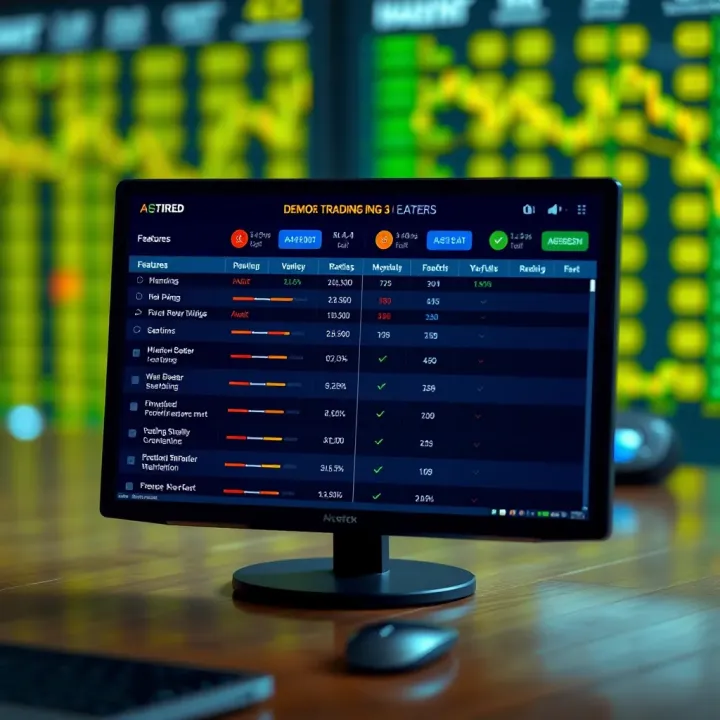
What should you look for in a demo trading app? Here’s a quick rundown:
Real-time data: The app must provide live market prices, not delayed or outdated info.
User interface: A clean, intuitive layout helps you trade and analyze quickly.
Order types: It should support various orders — market, limit, stop-loss — so you can test different strategies.
Market variety: Access to multiple assets like stocks, commodities, and cryptos is a big plus.
Educational resources: Some apps offer tutorials, market news, or analysis tools, boosting your learning curve.
Many traders underestimate the value of demo trading, but mastering it can save you thousands by preventing costly mistakes when real money comes into play.
Look at popular Indian demo trading apps such as:
Zerodha Kite: Trusted by millions, it combines simplicity with powerful charting tools.
Upstox Pro: Offers extensive market coverage and a sleek mobile experience.
Angel One: Known for detailed analytics and a smooth demo setup.
Each comes with distinct features, so your choice depends on your trading style and the kind of assets you want to explore.
To get started effectively, treat the demo as if it’s your actual money. Set goals, track trades, and review mistakes regularly. That way, you’re not just pressing buttons—you’re building discipline.
Once you’re comfortable switching to real trading, the jump won’t feel like a leap into the unknown. Instead, you’ll approach the market with a clearer head and a well-tested plan — and that’s exactly what every successful trader needs.
Demo trading apps serve as a vital stepping stone for traders in India who want to test the waters without risking actual money. With the stock market's ups and downs, a demo platform lets users trade virtual money in a simulated environment, reflecting real market conditions. This hands-on experience is essential because diving into the live market without practice can quickly burn your capital.
One of the biggest draws of using a demo trading app is that you can trade without losing a dime. Imagine you're trying to navigate the often volatile Indian markets; demo trading allows you to buy and sell shares or commodities virtualy. You get to experience market movements, order placements, and reaction times without the stress of financial loss, especially important for beginners still gaining their footing.
Demo apps offer a practical way to learn how trading works. Whether it’s understanding how limit orders differ from market orders or experimenting with strategies like swing trading and intraday trading, a risk-free practice platform is invaluable. For example, a user can try a momentum trading approach during volatile sessions on the NSE without worrying about losing money due to a rookie mistake.
Getting familiar with the software and the trading process builds confidence. You’ll find yourself less hesitant about entering or exiting trades because you’ve already worked through similar situations on a demo account. Confidence gained in the virtual market often translates to better decisions and calmer behavior when real money is involved.
Even seasoned traders use demo accounts to try out new strategies. Suppose you want to experiment with options trading strategies like spreads or straddles in India's derivatives market. A demo app lets you explore these complex trades without risking capital. It’s like rehearsing before the big performance—mistakes on a demo don't sting.
Indian markets have their quirks: sudden regulatory announcements, RBI's policy changes, or monsoon impacts on stocks. Demo apps loaded with live or delayed market data give traders a realistic feel for how these conditions affect prices and volumes. This familiarization helps traders make smarter moves when they switch to live trading.
Quick decisions in trading can mean the difference between gain and loss. Demo trading hones your ability to analyze charts, respond to market news, and execute trades efficiently. It also helps develop discipline by tracking risk and sticking to a trading plan without the emotional pressure of real money at stake.
Bottom line: Demo trading apps aren't just for beginners; they're crucial tools for anyone serious about trading in India. They provide a safe space to learn, test, and grow without risking hard-earned money.
By using demo trading apps, Indian traders can bridge the gap between theory and actual trading, making the painful lessons much less expensive and often avoiding them altogether.
When choosing a demo trading app, the right features can make all the difference between a frustrating experience and one that truly prepares you for the real market. You want an app that’s not just easy to use but also accurately mimics live trading conditions. This way, you’ll build skills that actually transfer when you start trading with real money.
Intuitive navigation is essential in a demo trading app. You don’t want to waste time figuring out where everything is when you could be practicing your trades instead. Look for apps that have a clean layout with clearly labeled sections. For example, Zerodha Kite offers a straightforward menu that lets you jump from charts to trade placement without confusion.
Customizable dashboards let you tailor the interface to your preferences. Imagine setting up your screens with the stocks or options you focus on, adjusting chart types, and selecting preferred indicators. This flexibility helps speed up your trading process and reduces unnecessary clutter, making each session more productive.
Mobile and desktop compatibility matters because your trading setup is rarely static. Maybe you start your day checking the market on your phone during your commute, then switch to a laptop at the desk. Demo apps like Upstox Pro maintain consistent features and performance across devices, so you aren't thrown off by interface changes or missing tools.
The backbone of any good demo trading app is live market simulation. It means the app uses real-time data to offer market conditions that match what’s happening in the actual Indian stock exchanges like NSE or BSE. This realism teaches you how to react to real fluctuations without risking money.
Accurate order execution in the demo environment is another must-have. When you place a buy or sell order, the app should reflect how actual trades get processed—including delays, partial fills, or slippage. Some apps fall short here, making trading seem unrealistically fast or simple, which can mislead new traders.
Updated pricing and charts also contribute to realism. Prices should update live or with minimal delay, and charts must reflect recent candlestick bars or volume spikes accurately. This lets you practice reading market patterns and making timely decisions. For example, TradingView offers dynamic chart updates that closely mirror live market behavior.
Trading isn’t just about clicking buy and sell; it’s understanding why and when. Access to technical indicators like RSI, MACD, or Bollinger Bands gives you tools to analyze trends and potential turning points. A good demo app lets you apply these indicators freely and in combination, which is crucial for testing your strategies.
Educational content and tutorials enhance your learning curve by guiding you through strategies, platform features, or market basics. Some apps embed videos, articles, or even simulated lessons. Angel Broking’s app, for instance, includes beginner-friendly tutorials embedded right in the demo environment.
Finally, risk management features such as stop-loss and take-profit orders are vital for practicing safe trading habits. Learning to set these in a demo account helps protect your real portfolio down the line. It’s one thing to know the theory; it’s another to use these tools in a live scenario, even if simulated.
The bottom line is finding a demo trading app that combines user-friendly design with realistic market behavior and solid educational support. This blend equips you to trade confidently and smartly when you go live.
When choosing the right demo trading app for the Indian market, comparing your options closely is key. Each app brings unique features that can make a big difference in how you practice trading. Understanding these differences helps you pick a platform that suits your trading style and goals, whether you’re a beginner or someone sharpening their strategy.
Zerodha Kite: Zerodha Kite stands out for its clean, intuitive interface that makes navigation easy for new traders. Its demo account reflects real-time market data from NSE and BSE, giving a reliable experience for practicing trades. Plus, it provides access to advanced charts and technical indicators, which traders appreciate for detailed analysis without risking real money.
Upstox Pro: Known for speed and simplicity, Upstox Pro’s demo app offers quick order execution and customizable dashboards. It supports multiple asset classes including stocks, commodities, and currency, which lets you explore different markets efficiently. The app also syncs well across mobile and desktop, so you can switch devices without losing your place in a trade.
Angel Broking: Angel Broking offers a robust demo platform tied to its main app, featuring AI-based trade recommendations even in the demo mode. This helps beginners get a feel for market movements and potential trade opportunities. The app also has educational resources integrated directly within the trading environment, so users can learn while they practice.
5Paisa: 5Paisa’s demo app is user-friendly and popular among budget-conscious traders. It offers a virtual portfolio to manage and simulate trades with no actual risk. Beyond basic trades, 5Paisa gives access to mutual funds and insurance products, providing a broader view of India’s financial markets.
TradingView: While not an Indian broker, TradingView offers a powerful demo feature widely used by Indian traders for charting and technical analysis. Its extensive global data, combined with social networking of traders, allows sharing and exploring strategies. The demo lets users test over 100 technical indicators and drawing tools in a simulated environment.
User experience and design: A smooth, intuitive interface is crucial for keeping focus during trading practice. Zerodha Kite and Upstox Pro excel here with clean layouts and straightforward navigation. Angel Broking’s AI features add a unique twist but can overwhelm users new to trading. 5Paisa keeps things simple, though its design may feel less polished compared to others.
Market coverage and instruments: Access to a variety of markets helps build well-rounded trader skills. Upstox Pro and Zerodha Kite offer wide market coverage across stocks, commodities, and currencies, making them versatile choices. 5Paisa’s inclusion of mutual funds expands options beyond just trading but limits regular day trading flexibility somewhat. TradingView’s strength is in charting tools and global market access rather than direct trading.
Support and educational offerings: Integrated learning adds value for traders at all levels. Angel Broking’s AI-based tips and in-app tutorials provide hands-on guidance during demo trades. Zerodha’s educational content through its knowledge portal complements the demo app well. Upstox offers solid customer support but less in-app education. 5Paisa has basic guides but is thinner on advanced training.
Demo account limitations: Demo apps simulate market conditions but can’t perfectly replicate trading emotions or order slippage under real conditions. Some platforms limit virtual funds, restricting long-term testing of strategies. For example, 5Paisa’s demo portfolio size might cap analysis depth. TradingView doesn’t support real order execution, so it’s more about charting practice rather than full trade simulation.
Picking the right demo trading app depends on your goals: Are you focused on learning technical analysis, exploring multiple instruments, or simply getting a feel for order execution? Check these aspects closely to find the best fit for your trading journey.
Demo trading is a stepping stone for anyone looking to trade stocks, commodities, or cryptocurrencies in India. It provides a hands-on experience without financial risk, allowing you to get familiar with market behavior and trading platforms without spending a dime. Starting with a demo account sets a realistic foundation and helps you avoid downright costly mistakes when you switch to live trading.
Registration process: Signing up for a demo trading account is typically straightforward. You'll usually need to provide basic details like your name, email, and phone number. For instance, apps like Zerodha Kite or Upstox Pro offer quick registration straight from their homepage or mobile app. This process doesn't require real funds, which means you can jump in and explore the platform almost instantly.
Verifying your profile: While demo accounts generally have fewer verification steps than live accounts, some platforms still ask for identity confirmation to personalize your experience or comply with basic security measures. Verification might involve submitting a scanned ID or providing your PAN card number. This step helps ensure the demo environment mirrors the real trading conditions, such as tax settings or regional regulations, and prepares you for the live account setup.
Funding your virtual portfolio: Unlike live accounts, demo trading uses virtual money. Most platforms assign a fixed virtual balance—say $100,000—to simulate trading. You can allocate these funds across different assets to experiment with buying and selling stocks, options, or cryptocurrencies. For example, if you're interested in Indian tech stocks like Infosys or Tata Consultancy Services, you can practice buying shares and watch how market shifts affect your portfolio—all without risking actual cash.
Practicing different trading strategies: The demo environment is your playground to try out various approaches without worrying about losses. Whether it's day trading, swing trading, or value investing, the key is to test your strategies under different market scenarios. Say, practice scalping during volatile hours or test long-term investments during a simulated market downturn. This hands-on experimenting builds muscle memory and sharpens your judgment.
Tracking performance objectively: It's easy to get swept up in demo trading, but you should track your trades with the same scrutiny you'd apply to real investments. Keep a trading journal where you note the reasoning behind each trade, entry and exit points, and outcomes. Platforms like Angel Broking provide portfolio tracking tools that show your win/loss ratio and average returns, helping you spot patterns and areas for improvement.
Remember, the goal is not just to rack up virtual profits but to understand why trades succeed or fail.
Transitioning from demo to live trading: Moving to a live account is where many traders stumble. The emotions involved—fear, greed, impatience—hit harder when real money is on the line. To bridge this gap, start small. Fund your live account with an amount you can afford to lose and mirror the strategies that worked well in demo. Gradually increase your exposure as you gain confidence. And always keep in mind that demo success doesn’t guarantee live wins, so approach live markets with discipline and caution.
Getting started with demo trading in India is not just about trying an app; it's about building your skills and mindset for real-world trading challenges. Taking these initial steps seriously will set you up for smarter, safer investing down the road.
Explore top cryptocurrency trading apps for Indian investors 📱. Learn key features, security tips 🔒, and regulatory insights for smart choices in crypto trading.
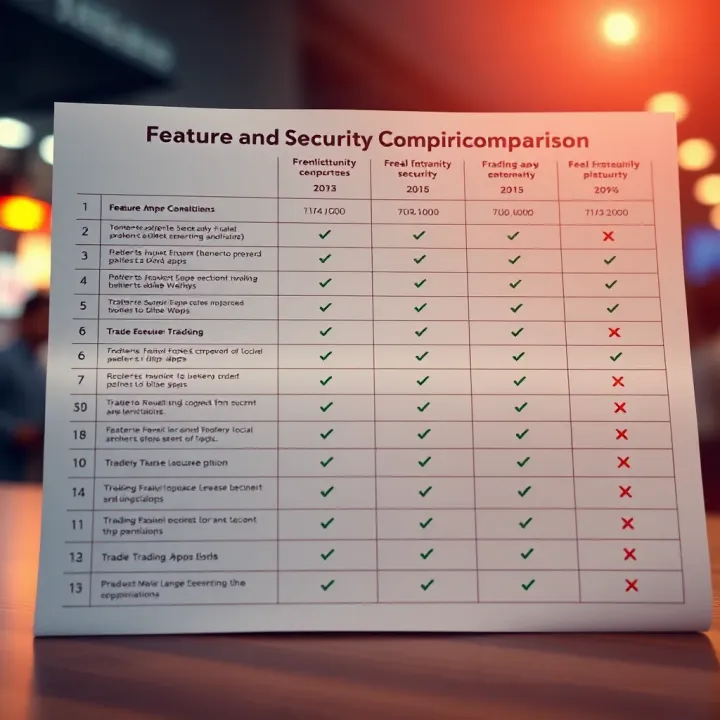
Explore India’s best free trading apps 🔥. Compare features, security, and ease to find one that suits your needs without extra costs or hassles 📱.
Try demo trading apps 📱 to practise stock, commodity & currency trades without risking ₹, ideal for beginners & experienced traders in India. Learn key features & tips!
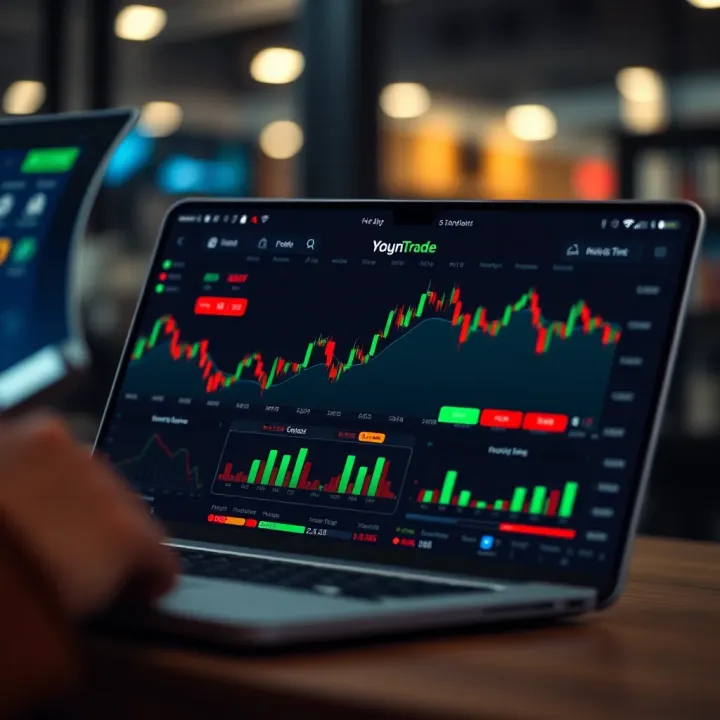
Explore the top paper trading apps in India 🖥️ to practise stock trading risk-free, enhance your skills, and gain confidence before investing real ₹ funds.
Based on 10 reviews