
Choosing the Best Online Trading App in India
Explore top online trading apps in India 📱! Get insights on features, costs, security, and ease of use to pick the best platform for safe investing. 🔒💸
Edited By
Isabella Foster
Demo trading apps serve as a safe, risk-free platform where both beginners and experienced traders can practice buying and selling stocks, commodities, or currencies. Rather than putting real money on the line, users trade in a simulated environment that closely mirrors actual market conditions. For many new investors in India, these apps demystify how the stock market operates by providing hands-on experience without financial pressure.
For seasoned traders, demo apps offer a space to trial new strategies and test trading tools without affecting their capital. Since market scenarios can change quickly, practising on these platforms helps in gaining confidence and refining decision-making skills.
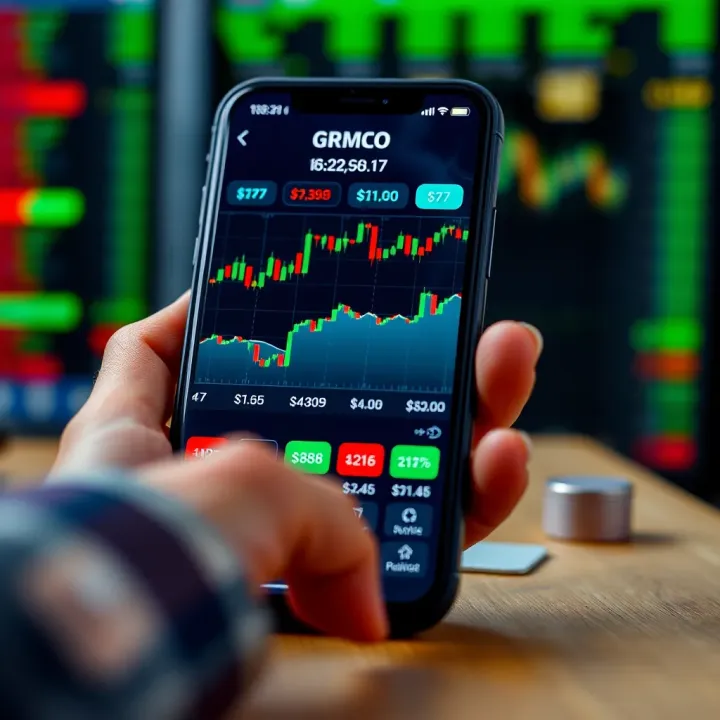
Choosing the right demo trading app comes down to a few key features. First, look for accuracy in market simulation—does the app reflect real-time price movements and allow for orders similar to live conditions? Next, consider usability; an intuitive interface with clear charts and accessible data will avoid confusion and speed up learning. Access to a variety of assets, such as NSE stocks, commodities like gold and crude oil, and currency pairs, is also valuable.
Some popular demo trading apps available to Indian users include those from Zerodha (Kite), Upstox, Angel Broking, and ICICI Direct. These platforms often integrate educational resources and allow trading with virtual funds. Keep in mind that while demo trading is useful, certain emotional factors like fear and greed aren’t fully replicated.
Remember, practising on a demo app is an important first step, but the shift to real money trading requires additional discipline and risk management.
To make the most of demo trading, set clear goals, maintain a trading journal to track outcomes, and experiment with different strategies. This disciplined approach will prepare you better for the ups and downs in India’s financial markets.
In the following sections, you will find a detailed look into features to prioritise, a comparison of leading apps, and practical tips that can enhance your demo trading journey.
Using a demo trading app before putting real money at risk offers clear advantages, especially for traders and investors looking to build their skills safely. These apps simulate real market conditions, allowing users to understand the complex market mechanics without the stress of losing capital. For instance, a beginner trying out stock trading on Zerodha’s demo platform can observe how price fluctuations impact portfolio value without worrying about ₹10,000 vanishing overnight.
Demo trading apps provide a sandbox to grasp how markets operate without the pressure to make quick, emotion-driven decisions. You can see how orders execute, understand bid-ask spreads, and track market trends in real time. A trader trying intraday trading, for example, can learn to spot volatile stocks and timing entry or exit points without the fear of losing actual money. This risk-free environment promotes learning through trial and error, reinforcing knowledge about support, resistance levels, and technical indicators.
One of the best benefits is testing diverse trading strategies without incurring losses. Suppose you want to try a moving average crossover strategy or scalping technique in forex. Demo trading apps let you implement these on virtual funds, so you can judge their effectiveness before using live capital. For experienced traders too, this is valuable when adjusting to new market conditions or instruments. As an example, a commodity trader can test hedging approaches on a demo platform like MetaTrader 5 before risking ₹1 lakh in futures contracts.
Confidence comes with repetition and understanding, and demo trading helps build this foundation. Treating virtual trades as real ones encourages discipline — sticking to stop-loss levels, managing risk, and following trading plans. Over time, you build habits that translate into better decision-making in live markets. An investor used to mutual funds might use demo trading to shift into direct equity, gaining assurance in stock picking without risking their savings.
Using demo trading apps is not just for beginners; even seasoned market participants can sharpen skills and gain fresh perspectives safely.
In short, demo trading apps serve as an invaluable stepping stone. They demystify market complexity, offer practical strategy rehearsal, and build the confidence needed before moving to live trading. For anyone serious about investing or trading—whether novice or expert—starting with a demo app is a wise choice to protect capital and sharpen skills.
Choosing a good demo trading app means first knowing what to expect from it. Key features are what separate a simple simulator from a tool that truly prepares you for live markets. Let’s look into the core aspects you should check before settling on one.
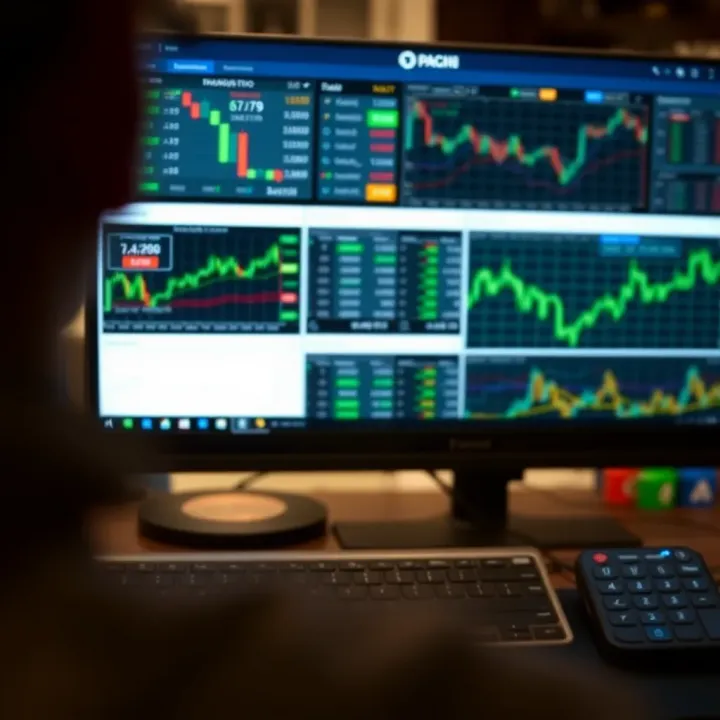
The heart of any demo app is how closely its data mimics real markets. You want live prices that reflect the actual Sensex or Nifty movements, along with realistic order execution. For example, apps that delay price updates or fill orders instantly without slippage won’t prepare you properly for the bumps in real trading. Accurate bid-ask spreads and occasional execution delays create a more authentic experience, showing you the real challenges traders face.
An intuitive interface matters a lot, especially when you’re learning fast or juggling multiple trades. The best demo apps like Zerodha Kite or Upstox Pro offer seamless navigation with clear menus, quick order placement, and easy switching between different views. Powerful charting tools should include multiple indicators, drawing options, and timeframes to help analyse trends and patterns. Without these, developing effective strategies or spotting entry and exit points becomes guesswork.
Relying solely on one asset type limits your trading scope. Look for apps offering a wide range of assets—stocks, commodities, currencies (forex), indices, and sometimes mutual funds or ETFs. This diversity lets you explore various markets and test strategies across segments. For example, Indian traders often prefer combining stock trades on NSE with commodity futures in MCX. A good demo platform supports this variety, giving you a fuller market experience.
Demo trading is not just about practice but also learning. Apps that come with tutorials, webinars, blogs, and FAQ sections provide valuable guidance to both beginners and experienced traders looking to refresh skills. Customer support adds the safety net when you hit technical issues or have doubts about features. Reliable support channels—chat, phone, or email—enhance your confidence in using the app without unnecessary downtime.
Choosing a demo trading app involves checking for real-time market data, smooth usability, broad asset choice, and good educational support—these are the pillars that build your trading foundation.
Keeping these features in mind ensures your demo trading experience is not just a trial but a genuine preparation for real investments.
India's trading community is spoilt for choice when it comes to demo trading apps. These platforms simulate real market conditions, allowing users to practise trading stocks, forex, commodities, and more without risking actual capital. Choosing the right demo app depends on what markets you want to explore, your experience level, and the kind of tools you prefer.
Zerodha Kite is one of the most popular platforms among Indian traders. Its demo version closely mimics the live trading experience on the National Stock Exchange (NSE) and Bombay Stock Exchange (BSE). The app offers real-time data, easy order placement, and a clean interface suitable for beginners and experienced traders alike. For example, if you want to practise intraday equity or derivatives trading, Zerodha Kite’s demo lets you place orders, set stop-losses, and manage positions just like in real trading.
Upstox Pro’s demo account delivers a streamlined experience with advanced charting tools and a variety of order types. It’s ideal if you want to practise technical analysis along with trading. The app supports multiple asset classes such as stocks, futures, and options. Plus, it integrates Indian market data with swift execution simulation. Traders looking for a mobile-friendly layout with detailed analytics will find Upstox Pro demo quite handy.
MetaTrader 5 (MT5) stands out for forex and commodity traders in India. Its demo version provides access to global currency pairs and commodities like gold and crude oil. MT5 includes features such as automated trading via expert advisors (EAs) and custom indicators, which aren’t usually available on Indian stock trading apps. This makes it popular for those who want to experiment with algorithmic trading strategies or learn how slippage and spreads impact outcomes.
Investopedia Simulator is a good choice for beginners aiming to understand fundamentals before stepping into Indian markets. It uses virtual money to buy and sell in a global environment, making it easier to grasp basic trading concepts without market-specific jargon. Its community feature allows traders to compare results and learn from others. Though not India-specific, it is useful for practising strategy formulation and testing reactions to market news.
Choosing the right demo app depends on your trading focus — stock markets, forex, or commodities — and how much you want the demo to resemble live trading conditions.
When trying apps, look for features like realistic order execution, up-to-date market data, and user-friendly interfaces. This helps bridge the gap between practice and real trading, increasing your chances of success once you begin investing your own money.
Demo trading apps provide a great platform to learn and sharpen your trading skills, but your approach to them largely decides how much you gain from the experience. Following these tips will ensure your practice sessions prepare you well for the real market.
Set clear, achievable targets before you start a demo trading session. For instance, if your goal is to learn technical analysis, focus on practising with charts and indicators rather than blindly making trades. Treat each demo trade as though it involves real money. This mindset helps develop discipline and reduces the habit of taking unnecessary risks, which casual demo practice tends to encourage. For example, if you plan to invest ₹50,000 in the live market eventually, limit your demo capital to a similar amount. This way, you better understand the psychological aspects of losing or winning money under realistic conditions.
One major benefit of demo trading is the ability to review your trades without financial stress. Keep a trading journal or use app features that record your trade details. Analyse every win and loss to spot patterns: are you better with intraday trades or holding for longer? Do certain stocks or sectors consistently work to your favour? For example, if you notice you lose money during volatile market swings, it suggests improving your risk management or avoiding such conditions initially. This self-awareness helps refine your strategy effectively before moving to live trading.
The shift from demo to real trading must be gradual. Many beginners jump into the live market too quickly, tempted by profits made in the demo environment. However, emotions like fear and greed impact real-money trades differently. Start with a small amount, say ₹10,000, to build confidence while learning emotional control. Avoid rushing into big positions until you consistently make profits and stick to your strategy during demo sessions. A cautious transition reduces losses and builds a strong foundation for long-term success.
Practising with purpose and keeping track of your progress will turn demo trades into a solid stepping stone rather than just a trial.
By setting measurable goals, closely monitoring your trades, and moving to live markets carefully, you make the most of your demo trading app and prepare yourself for the realities of real investing.
While demo trading apps provide a valuable platform to practise without financial risk, they come with certain limitations that traders should be aware of. Understanding these drawbacks helps set realistic expectations and enables users to prepare better for live markets.
One significant difference in demo trading is the absence of genuine emotional pressure. When you trade with real money, feelings like fear, greed, or anxiety impact decision-making heavily. Demo accounts, where no actual money is at stake, rarely trigger these emotions. For example, a trader might hold a losing position longer in a live account due to the fear of real loss, but might close it swiftly in a demo. This absence of psychological tension can make demo trading feel smoother and less stressful.
To compensate, treat your demo trades as if you're wagering real money. Set real-world limits and stick to your trading plan strictly. Some experienced traders even impose virtual penalties or rewards to simulate emotional stakes.
Demo platforms usually execute trades instantly at displayed prices without reflecting real market conditions like slippage or partial fills. In live trading, especially in volatile markets like currency or commodities, order fills might differ from expected prices. For instance, a market order during a sharp price move might get executed at a worse price than anticipated. Demo apps rarely capture these nuances, which can mislead beginners about actual trade execution.
It helps to understand this gap and test your strategies on small real trades once comfortable. Also, some advanced demo apps provide simulated slippage or delay orders to reflect real market scenarios better.
Demo experience serves as a strong base to build trading skills but doesn’t guarantee success in live trading. Market dynamics change constantly, and factors like liquidity, fees, and emotional resilience come into play only when real money is involved. For example, a strategy that works flawlessly in simulated conditions might fail under actual order book pressure or unexpected market news.
Traders should use the demo phase to develop discipline, understand platforms, and refine strategies rather than assume immediate profitability. Gradually transitioning to live trading with controlled risk is the best way forward.
Remember, demo trading is a stepping stone, not a destination. Embrace it to learn but stay wary of its limits as you move towards live markets.
By recognising these limitations and addressing them thoughtfully, both beginners and experienced traders can make the most of demo apps without falling into false confidence. This balanced approach prepares you better for real trading challenges ahead.
Explore top online trading apps in India 📱! Get insights on features, costs, security, and ease of use to pick the best platform for safe investing. 🔒💸
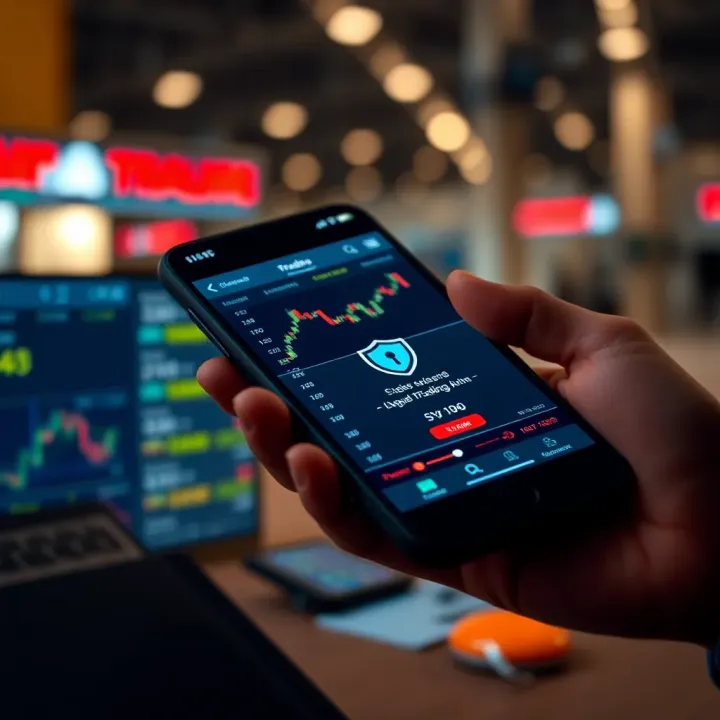
Find the most trustworthy trading app in India 📱🔒. Learn how to pick secure, user-friendly platforms with top options and smart tips for investors.
Discover how to pick the right online stock trading app in India 📱. Learn about key features, benefits, security, and tips to match your trading style.
🔍 Discover how to pick the most trusted trading app in India with insights on security, features, and user experience for smart trading choices! 📱💹
Based on 10 reviews