
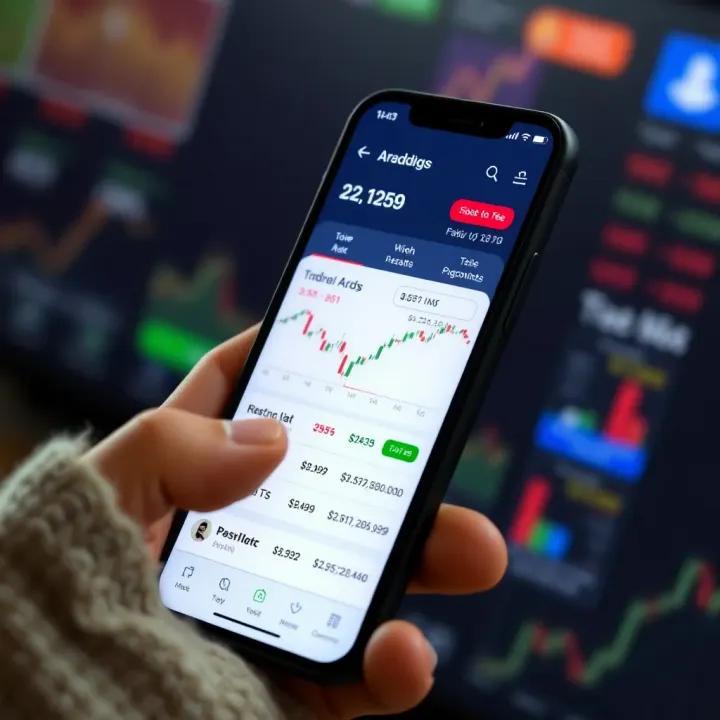
Understanding Low Brokerage Trading Apps in India
Explore how less brokerage trading apps in India are reshaping investing with low fees. Learn tips for safe trading and choosing the best app 📱💸
Edited By
Elizabeth Moore
Choosing the right trading app can significantly impact your investment journey, especially when it involves zero brokerage charges. Zero brokerage trading apps have reshaped the Indian stock market by removing commission fees, allowing investors and traders to save on costs, which in turn can boost overall returns.
This shift has become crucial in a market where every rupee counts. For example, frequent traders in the NSE and BSE markets can easily save tens of thousands of rupees annually by switching to zero brokerage platforms. The major draw is obvious — trading without commission fees means more capital stays invested or in your pocket.
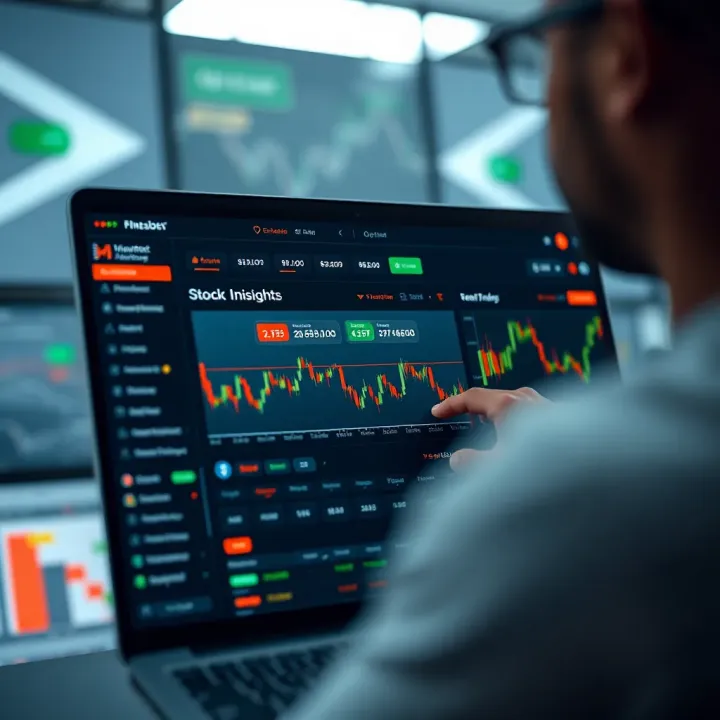
However, zero brokerage doesn't mean zero other charges. Some apps may still levy fees for transactions like call and trade, fund withdrawals, or delayed payments. It's essential to look beyond the headline zero brokerage tag and check the fine print concerning all other charges.
Key features to consider when selecting these apps include:
User Interface (UI): A clean and intuitive UI is vital for swift order execution and easy portfolio tracking.
Market Access: Support for equities, derivatives, commodities, and even cryptocurrencies broadens trading opportunities.
Order Types and Speed: Apps offering varied order types (limit, stop-loss, bracket orders) with minimal lag influence trading effectiveness.
Security Measures: Two-factor authentication, data encryption, and compliance with SEBI regulations ensure safety of funds and personal data.
Research and Analytics Tools: Robust charts, indicators, and real-time news feeds help in better decision-making.
Popular zero brokerage apps in India include Zerodha, Upstox, and Groww, among others. These platforms have earned trust by combining cost-effective trading with advanced technology.
Remember, the cheapest option may not always be the best. Prioritise apps that balance zero brokerage with reliable service, security, and user experience to protect your investments.
By understanding these aspects, traders and investors can better evaluate the best zero brokerage app to suit their needs and trading style.
Understanding what zero brokerage trading apps mean is key for traders in India today, especially with growing competition among platforms. Zero brokerage means traders don't pay traditional fees on each buy or sell order, which can significantly lower trading costs. But this convenience also calls for a closer look at how these apps work and what they offer.
Zero brokerage directly impacts a trader’s bottom line by removing the usual fees charged per transaction. For instance, if a trader buys and sells shares worth ₹1 lakh multiple times in a month, traditional brokerage fees might add up to ₹500-₹1,000 or more, eating into profits. With zero brokerage, these charges vanish, making frequent trading more affordable.
This model works well for active traders who rely on small margins and high volumes. But traders need to watch out for other costs like Securities Transaction Tax (STT), Goods and Services Tax (GST), stamp duty, and exchange transaction charges, which still apply. Also, some apps might limit certain segments or levy fees on specific services.
Zero brokerage apps often adopt a different revenue approach than conventional brokers. They may earn through:
Margin Funding: Charging interest on loans given for trading on margin.
Premium Services: Offering advanced features or research reports for a fee.
Payment for Order Flow: Routing orders to certain exchanges for a fee.
Spreads or Hidden Fees: Some apps apply wider bid-ask spreads or non-transparent charges.
In India, platforms like Zerodha and Upstox led this wave, cutting down brokerage drastically to attract users. These businesses largely rely on volume trading and additional paid services to sustain revenue. However, regulatory oversight by SEBI (Securities and Exchange Board of India) ensures that brokerage models stay fair and transparent.
Zero brokerage is a boon for retail traders aiming to maximise gains by saving on costs, but understanding the full fee structure and service trade-offs remains vital before choosing an app.
In the end, zero brokerage trading apps shift the cost burden away from traditional fees, but traders must stay alert to other charges or service limitations. Knowing how these models work helps in picking a platform that suits your trading style and financial goals effectively.
When you're exploring zero brokerage trading apps, their features matter as much as the zero commission promise. A well-rounded app provides more than just cost savings; it offers flexibility, security, and ease of use. Without those, zero brokerage won't help much because you might end up facing hidden costs or frustrations that can affect your investments.
Diverse trading options mean you can adapt your strategy without juggling multiple platforms. For example, Zerodha offers equities, commodities, derivatives, and mutual funds right on the same app, so you can switch between delivery-based investing and intraday trading smoothly. Some apps also provide access to IPOs or digital gold, which adds small but useful choices. If you focus on cryptocurrencies, check if the app supports it, as many zero brokerage platforms still stay away from cryptos due to regulations.

A slick, intuitive interface saves time and avoids costly errors—especially when markets move fast. The user interface should keep essential information within easy reach and allow placing orders quickly. Look at Upstox’s mobile app, which blends simplicity with powerful charting tools, enabling both beginners and experienced users to trade efficiently. On the flip side, a cluttered or laggy app might lead you to miss timely trades or feel overwhelmed, which isn’t good when you’re managing money.
Protecting your funds and personal data has to be the top priority. The best apps encrypt transactions, use two-factor authentication, and follow RBI and SEBI guidelines strictly. For instance, Angel One has implemented biometric login alongside device binding to reduce phishing or identity theft risks. Data breaches not only harm your financial standing but also your peace of mind, so check if the app is backed by strong cybersecurity and offers features like transaction alerts.
Good customer support can be a saviour when you face technical glitches or need clarity on trades. Look beyond just chatbots—real-time phone support or quick email responses matter. Platforms like Zerodha and Angel One have extensive educational libraries, including webinars and tutorials, that help traders sharpen their skills. This blend of support and learning is essential, especially for fresher traders finding their feet or those exploring new instruments.
Choosing a zero brokerage app means weighing beyond just costs. Features like trading options, app usability, strong security, and dependable support combine to shape your trading success. Always test the app experience and support before going all in with your investments.
Zero brokerage trading apps have gained massive popularity among Indian investors and traders due to significant cost savings. These platforms reduce or eliminate the usual commission fees, allowing users to trade stocks, derivatives, commodities, and more without worrying about brokerage costs eating into profits. This shift has attracted beginners and seasoned traders alike, but it requires careful consideration of each app’s features, reliability, and cost structure.
Zerodha has emerged as one of the largest zero brokerage platforms in India, offering free equity investments and low-cost trading in derivatives. Its flagship app, Kite, provides a clean interface, advanced charting tools, and quick order execution. Users particularly appreciate Zerodha’s seamless account opening through online KYC processes.
However, certain charges like the Securities Transaction Tax (STT), stamp duty, and exchange fees still apply. Among traders, Zerodha’s transparent pricing and strong community support have earned positive reviews, although some mention a learning curve for beginners unfamiliar with its interface.
Upstox stands out with its user-friendly app and competitive features such as margin trading and API integration for advanced users. The platform offers zero brokerage on equity delivery trades and affordable fees on intraday and derivatives.
Its Robo advisory and educational content help new investors make smarter choices. That said, some users report occasional app lag during peak market hours, and customer service can be slow at times. Overall, Upstox suits traders who want a blend of affordability and technology.
Angel One, previously Angel Broking, follows a zero brokerage model on equity delivery with flat fees for intraday and F&O trades. The app includes tools like ARQ, an AI-based investment engine providing personalised advice. It’s ideal for investors looking to balance cost-effectiveness with advisory support.
Though brokerage is waived on delivery, other charges and taxes remain. User feedback highlights Angel One’s good educational resources and efficient customer service but notes that fee structures can be confusing initially.
Besides the big names, platforms like Groww, 5paisa, and ZeroneTrade are carving space for themselves. Groww appeals with its simple design and combination of mutual funds and stocks. 5paisa offers value-for-money plans for frequent traders, while ZeroneTrade provides advanced algorithmic trading support.
While zero brokerage is attractive, check each app’s hidden fees, platform stability, and customer support before committing. Selecting the right platform depends on your trading volume, goals, and comfort with technology.
By comparing these popular apps, you can find a zero brokerage option that matches your trading style and helps grow your portfolio without unnecessary costs.
Zero brokerage trading apps have reshaped how traders and investors in India approach the stock market. Evaluating their benefits and drawbacks helps users make informed choices beyond the allure of zero fees. While the upfront savings are tempting, understanding the trade-offs reveals the full picture of cost and convenience.
Zero brokerage means you don't pay commission on trades, which reduces upfront costs, especially for frequent traders. For example, Zerodha and Upstox popularised this model, attracting many users. However, these apps might recover revenue through other means. Charges such as transaction fees, call and trade fees, or platform usage costs sometimes apply. Additionally, regulatory levies like Securities Transaction Tax (STT) or Goods and Services Tax (GST) still apply, which can add up.
Be cautious of hidden expenses like inactivity fees or minimal charges on specific order types, which some platforms occasionally impose. A trader executing frequent small-value trades could find these charges eating into their savings. Therefore, carefully check the fee structure, terms, and conditions of any zero brokerage app before full commitment.
Zero brokerage encourages more trading activity due to lower barriers, which can lead to increased volumes. This often benefits active traders who switch positions quickly. However, it might also tempt some investors to overtrade, mistaking zero brokerage as a green light for frequent market moves without considering risks or market conditions.
Increased volume can improve liquidity and reduce spreads, but impulsive trading may cause unnecessary losses. Moreover, some trading apps gamify the experience to boost engagement, possibly affecting user behaviour negatively. Being aware of these dynamics helps traders maintain discipline and avoid pitfalls associated with high-volume trading.
Zero brokerage apps work well for cost-conscious traders who conduct frequent trades or have smaller portfolios to justify seeking savings on fees. However, long-term investors focusing on buy-and-hold strategies may find the zero brokerage advantage less critical.
For beginners, the easy accessibility and low cost encourage participation in markets, but they must also prioritise app reliability, educational support, and customer service. Conversely, high-net-worth investors might prefer platforms offering personalised advisory or advanced tools despite charges.
Choosing a zero brokerage platform depends largely on your trading style, investment goals, and preferences for app features, not just the fee structure.
Understanding these advantages and challenges ensures you pick a trading app that suits your needs and trading habits without surprises or compromises on security and service quality.
Selecting the right zero brokerage trading app is more than just opting for the lowest fees. It involves understanding your investment goals, evaluating app features, and ensuring strong security standards. This approach helps avoid surprises later and guarantees the app suits your trading style and expectations.
Start by clarifying what you want out of investing. Are you a frequent trader focused on quick intraday trades, or a long-term investor looking to build wealth steadily? For example, if day trading is your preference, apps like Upstox with real-time data and advanced charting tools might serve you better. On the other hand, investors who prefer SIPs (Systematic Investment Plans) or mutual funds may lean towards platforms offering easy mutual fund investments and research reports, such as Zerodha's Coin module.
Knowing your risk tolerance also matters. For instance, a conservative investor might value apps with strong risk management tools or the option to invest in fixed income or ETFs. Meanwhile, aggressive traders could appreciate seamless access to derivatives and intraday margin facilities. Aligning your style with the app’s offerings ensures smoother and more effective trading or investing.
Not every zero brokerage app offers the same experience. Beyond the commission-free trades, consider order execution speed, the variety of trade options (stocks, commodities, currencies), and availability of research and educational content. Platforms like Angel One provide hand-holding for beginners with tutorials and webinars, while Zerodha suits those comfortable with minimal guidance but requiring powerful tools.
User reviews on app stores and trading forums can reveal usability issues, customer support responsiveness, and hidden costs. For instance, some users report that while the brokerage is zero, fees like stamp duty or platform charges can add up. Comparing these firsthand experiences helps you choose an app that fits your expectations without sudden surprises.
Security cannot be neglected, especially since trading apps handle sensitive financial data and transactions. Ensure the app is regulated by the Securities and Exchange Board of India (SEBI) and follows the Reserve Bank of India’s (RBI) guidelines on data protection.
Look out for two-factor authentication, encryption practices, and prompt updates in response to vulnerabilities. Also, verify if the app uses secure payment gateways for adding or withdrawing funds. For example, apps integrated with India Stack technologies such as UPI or DigiLocker tend to have better security and convenience.
Remember, no zero brokerage benefits worth it if your investment is at risk due to poor security or compliance. Always prioritise trust alongside cost savings.
By assessing your goals, weighing app features carefully, and confirming regulatory compliance, you can confidently pick a zero brokerage trading app that suits your needs and helps manage investments securely and efficiently.
Explore how less brokerage trading apps in India are reshaping investing with low fees. Learn tips for safe trading and choosing the best app 📱💸
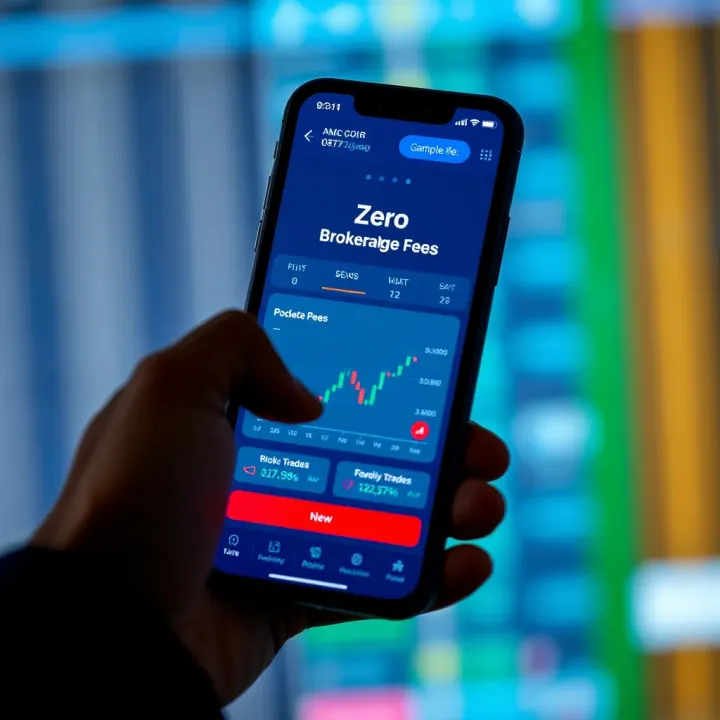
📱 Explore top no brokerage trading apps in India, learn their pros and cons, and make smart, low-cost investment choices effortlessly!
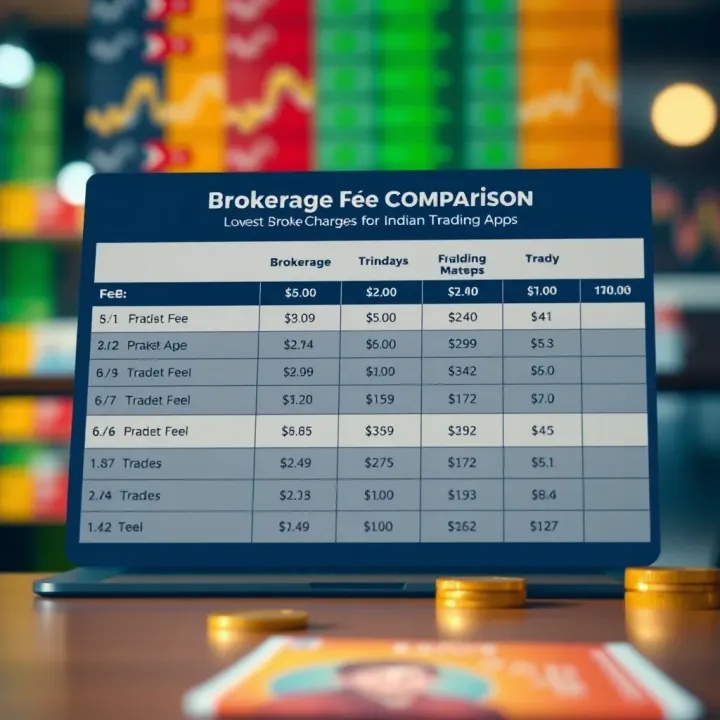
📉 Discover how to find the lowest brokerage charges on trading apps in India! Compare platforms, cut costs, and boost your trading profits effectively.

Explore top cryptocurrency trading apps for Indian investors 📱. Learn key features, security tips 🔒, and regulatory insights for smart choices in crypto trading.
Based on 6 reviews