
Understanding Candlestick and Chart Patterns: A Guide
📊 Understand key candlestick and chart patterns for better trading decisions in India. Access practical tips plus helpful PDF resources to boost your market analysis skills.
Edited By
Sophie Mitchell
For traders and investors, particularly in India, mastering candlestick chart patterns is a must for making informed decisions in the stock or cryptocurrency markets. Candlestick charts provide a visual summary of price movements and can signal potential market directions. When you recognise specific candlestick patterns, you get a clearer edge in anticipating bullish or bearish trends.
Candlestick patterns come in various forms, from single-candle setups to complex multi-candle formations. For example, the Hammer often signals a bullish reversal after a downtrend, while the Shooting Star hints at a possible bearish reversal following an uptrend. Understanding how and when these patterns appear helps you react quickly to market changes.
Spotting the right pattern at the right time can mean the difference between a smart trade and a missed opportunity.
Though charts on platforms like NSE or BSE do a good job, having ready reference materials like PDF guides helps you quickly revisit pattern characteristics without scrolling through lengthy tutorials. PDFs can condense key patterns, their candlestick shapes, volume hints, and typical outcomes, making them handy for on-the-go checks or classroom settings.
To gain practical value from candlestick patterns, relate them to the Indian markets’ trading hours, volumes, and volatility levels. For instance, patterns observed during the first hour of NSE trading are often more significant than those appearing near closing time. Likewise, pairing pattern insights with indicators like the Relative Strength Index (RSI) or Moving Average Convergence Divergence (MACD) strengthens your trading calls.
Here is what to focus on:
Recognise common patterns such as Doji, Engulfing, Morning Star, and Evening Star
Learn the context in which these patterns work best
Use PDF references to reinforce memory and quick identification
Combine patterns with other technical tools for confirmation
This approach helps traders and analysts not just memorise patterns but apply them effectively in their day-to-day trading, catering well to the rhythm and nuances of Indian financial markets.
Understanding candlestick charts is essential for traders and investors who want to read market sentiment through price movements. These charts provide visual clues about buying and selling pressure, helping you predict possible price shifts. For anyone serious about trading in the Indian markets — whether stocks, commodities, or cryptocurrencies — mastering these patterns can give an edge beyond simple line or bar charts.
A candlestick consists of a body and shadows (or wicks) extending above and below it. The body shows the open and close prices during a time frame — daily, hourly, or minute-wise. Shadows reveal the highest and lowest prices in that period. For example, if you see a long wick above a short body, it means prices reached a high but sellers pushed it down again.
This structure tells you not only price range but market hesitation or strength. A wide body generally indicates strong momentum, while long shadows suggest indecision or rejection of price levels.
Each candlestick captures real-time price behaviour. By studying these shapes in sequence, traders interpret shifts from bullish to bearish phases or vice versa. Consider an uptrend where candlesticks mostly close higher than they open — bulls controlling the market. A sudden candlestick with a long upper wick could warn of selling pressure building up despite price gains.
Candlesticks help spot turning points early, unlike simple numbers which only show close prices. They allow traders to visualise daily trader psychology and adapt strategies timely.
Bullish candles close higher than their opening price and usually appear in green or white on charts, implying buyers dominated. Bearish candles close lower and are typically red or black, signalling seller strength.
For instance, on the NSE or BSE charts, a sequence of bullish candles suggests a potential rally in a stock like Reliance Industries. On the other hand, a cluster of bearish candles after a gain warns traders to prepare for corrections.
Candlestick patterns act as market mood indicators. Certain shapes can hint if buyers are losing grip or sellers gearing up. A classic example is the "Doji" candlestick, which shows indecision — neither bulls nor bears clinching control.
Indian traders using these patterns alongside Sensex or Nifty movements get early warnings of trend reversals or continuations, helping avoid surprises during volatile periods like budget announcements.
Traders often rely on patterns to time buys or sells better. Spotting a bullish engulfing pattern just after a dip could encourage entry before prices rise. Conversely, a bearish harami may prompt exiting a position to prevent losses.
These visual signals are especially handy for intraday traders or those managing portfolios of volatile commodity futures like gold or crude oil, where every move counts.
In Indian markets, integrating candlestick analysis with local events such as RBI policy changes or monsoon forecasts improves decision-making. For example, a bullish candle pattern in a rural FMCG stock during a good monsoon report could anticipate strong demand.
Commodity traders dealing in spices or metals also benefit by seeing how patterns spell out global and domestic supply-demand balance. This helps them hedge or speculate more confidently.
Mastering candlestick basics sets the foundation for smarter trades. Practising pattern recognition sharpens timing and reduces reliance on hunches, especially in India’s fast-moving financial markets.
Single-candlestick patterns often serve as the first signposts in understanding market sentiment. Their simplicity makes them valuable for traders who want quick insights into possible price reversals or continuations. Each pattern reflects a battle between buyers and sellers during the trading session, and knowing how to interpret these signals can sharpen your trading decisions, especially in volatile Indian stocks or commodities.
A standard Doji forms when the opening and closing prices are almost the same, creating a very short or non-existent body with long shadows. This pattern suggests indecision among market participants—neither bulls nor bears have control. For example, if Reliance Industries shows a Doji after a sustained rally, it may hint at a potential pause or reversal in the uptrend. Traders should watch the following candle for confirmation before acting.
The Dragonfly Doji has a long lower shadow and little to no upper shadow, meaning the price dropped during the session but recovered to close near the open. This pattern can signal a bullish reversal after a downtrend, as buyers push the price back up. For instance, if TCS stock forms a Dragonfly Doji near a support level, it suggests buyers are stepping in, offering a potential entry point to buy.
This Doji has a long upper shadow and little to no lower shadow. It appears when price rises during the session but closes near the open, indicating selling pressure. In a rising market context, such as in NSE Nifty companies, a Gravestone Doji may warn of bearish reversal as bulls lose steam. Observing volume alongside this pattern adds weight to the signal's reliability.
A Hammer appears after a downtrend and features a small body with a long lower wick. It shows rejection of lower prices and willingness by buyers to push prices back up. For example, if SBI's share price draws a Hammer after a dip, it could imply the downtrend is weakening, and buyers may soon dominate. This pattern often invites cautious buying.
This looks similar to the Hammer but forms after an uptrend, signalling potential reversal. The long wick indicates selling pressure despite high prices. If HDFC Bank charts a Hanging Man near the peak, traders should be alert for a possible price fall and consider protective stops.
Neither Hammer nor Hanging Man works well on their own—confirmation via the following candle's movement is crucial. For instance, a Hammer followed by a bullish candle that closes higher confirms buying strength. Similarly, a Hanging Man confirmed by a bearish candle signals that sellers are gaining control. Combining this with volume analysis refines entry and exit timing, essential for Indian equities where the impact of such patterns is influenced by daily market news.
Spinning Tops showcase small bodies with long upper and lower shadows, reflecting a tug-of-war with no clear winner. When seen in NSE's mid-cap stocks, they often suggest hesitation before a major move. Traders watching Adani Group stocks may use Spinning Tops as a sign to wait before entering trades.
Marubozu candles are bodies without wicks, indicating strong conviction—bullish Marubozus close near session highs, and bearish ones near lows. For example, yes Bank seeing a bullish Marubozu after consolidation indicates robust buying interest, often starting a fresh trend.
Traders can treat Spinning Tops as a sign to pause and wait for clearer direction, while Marubozus encourage momentum-based trades. For instance, if a bullish Marubozu follows a Spinning Top in Tata Motors, it might suggest entering long positions with stop-loss below the Marubozu's low. Pairing these patterns with volume and trend lines reduces false signals and improves profitability.
Understanding single-candlestick patterns equips you with quick insights to spot market shifts—crucial for traders dealing with fast-moving Indian markets where timing matters.
Multi-candlestick patterns provide deeper insight than single-candle formations, showing shifts in market momentum and potential trend reversals. These patterns analyse sequences of candles to confirm buyer or seller strength, making them highly valuable for traders, especially in Indian equity and commodity markets where quick changes are common. Recognising these patterns helps refine entry and exit points, reducing risks.
Bullish Engulfing happens when a small bearish candle is followed by a larger bullish candle that completely covers the previous one. This pattern suggests buyers are gaining control after a downtrend, signalling a possible reversal upwards. For example, in the Nifty 50, if a Bullish Engulfing appears after a series of red candles, traders often take it as a cue to consider long positions.
Bearish Engulfing is the opposite: a small bullish candle is engulfed by a larger bearish candle, pointing to sellers taking over after an uptrend. In volatile sectors like crude oil futures, spotting a Bearish Engulfing early can help traders protect profits or short the asset.
Trading signals and validation refer to confirming the pattern’s reliability using volume or other technical indicators. A Bullish Engulfing along with rising volume in the Indian market tends to confirm buyer conviction. Similarly, combining these patterns with RSI or MACD crossovers reduces false signals, helping traders take confident decisions.
The Morning Star consists of three candles: a long bearish candle, a small-bodied candle (often a Doji), and a long bullish candle. This formation signals a strong reversal from a downtrend to an uptrend. Indian traders spot Morning Stars near support levels to plan buy trades, especially in liquid stocks like Reliance Industries.
The Evening Star mirrors this but signals reversal from an uptrend to a downtrend: a long bullish candle, a small indecisive candle, followed by a strong bearish candle. It alerts traders to potential profit booking or short opportunities.
Use in trend reversals is crucial as these stars often mark market sentiment change. Their effectiveness improves when they appear after clear trends and are backed by volume spikes or market news.
Identifying sustained bullish moves is easier with Three White Soldiers—a sequence of three long bullish candles with higher closes each day—showing buyer strength over multiple sessions. This pattern helps Indian traders identify when a bullish uptrend is well underway, suggesting holding or adding to long positions.
The converse, Three Black Crows, signals sustained bearish pressure through three consecutive long bearish candles with lower closes. It warns of a likely downturn, enabling traders to exit or short stocks proactively.
How these patterns impact trading choices lies in their ability to confirm trend continuation or reversal. Wise investors watch such formations closely, combining them with fundamental insights or support-resistance zones, especially in fast-moving sectors like IT or pharma where quick reaction is vital.
Recognising and interpreting these multi-candle patterns alongside Indian market conditions can significantly improve your trading edge and reduce missteps.
PDF resources offer traders a handy way to quickly refer to and practise candlestick chart patterns. For busy traders and investors, having access to well-organised PDF guides means they can refresh their knowledge without sifting through long articles or videos. Especially while monitoring markets like the Nifty or Sensex, fast recognition of chart patterns can really improve trade timing and decisions.
Websites offering free downloadable PDFs tend to provide up-to-date and practical guides. Platforms like Investopedia, TradingView, or dedicated Indian trading forums often share free PDFs that cover essential candlestick patterns with illustrations and examples relevant for Indian markets. This convenience allows traders to download resources and access them offline on mobiles or tablets during market hours or travel.
Books with pattern guides available in PDF format combine depth with ease of use. Many respected authors offer PDFs of their chapters or entire books, making it simpler for students and freshers to build foundational skills. Books usually contain detailed explanations and case studies, going beyond just the pattern shapes to include psychological and volume aspects vital for Indian equities and commodities.
Indian market specific guides add value by focusing on local nuances. PDFs that incorporate examples from the Bombay Stock Exchange (BSE), National Stock Exchange (NSE), or commodity markets like MCX help users relate patterns to familiar settings. They often address events like RBI policy changes or monsoon impact on agro commodities, which global guides might not cover.
Daily practice with pattern charts is key to retaining pattern knowledge. Traders can print or keep PDF cheat sheets handy for spotting patterns on daily candlestick charts of stocks or indices they follow. Regular revision ensures patterns like the Morning Star or Engulfing are spotted quickly, boosting confidence during live trading.
Linking patterns to live market data increases practical understanding. PDFs usually provide static charts, but pairing these with real-time trading platforms allows users to observe how patterns affect price movement and volume. For example, recognising a Bullish Hammer on Nifty futures alongside RSI or MACD indicators can improve trade entry accuracy.
Preparing personalised cheat sheets from PDFs helps traders focus on patterns most relevant to their strategy. Highlighting patterns that suit short-term or long-term trades and adding notes about confirmation signals or volume ranges tailors study material. This customised approach accelerates learning and aids quick decision-making under pressure.
Having structured PDF resources at your fingertips transforms abstract chart patterns into practical, actionable knowledge. It bridges theory with real trading, especially in fast-moving Indian markets.
In all, investing time in reliable PDFs sharpens visual memory and trading skills equally, making pattern spotting a natural part of routine analysis for traders and investors alike.
Candlestick patterns provide effective visual cues about market sentiment, but applying them successfully in Indian markets requires some local context. Indian equity and commodity markets have unique dynamics influenced by regulatory updates, economic policies, and trading behaviours. Understanding how these patterns interact with broader market indicators and news can strengthen your trading decisions.
Using Sensex and Nifty trends alongside candlestick patterns offers a more reliable trading edge. For instance, spotting a bullish engulfing pattern is more meaningful when the Nifty index also shows signs of upward momentum. Traders can improve timing by ensuring that candlestick signals align with the general trend shown by these indices. If the market is broadly bearish, a single bullish candlestick pattern might only indicate a short-lived bounce.
Adapting patterns to volatile commodity markets like crude oil, gold, and agricultural products is essential since these commodities witness sharp price swings. Candlestick formations in such markets must be interpreted cautiously, often in combination with volume analysis and global supply-demand news. For example, a hammer pattern on gold charts during unstable geopolitical news might signal strong support, but confirmation from price volume trends is key before acting.
Considering SBI and RBI updates for confirmation is another practical step. Announcements about interest rates or credit availability from the Reserve Bank of India (RBI) and policy changes from the State Bank of India (SBI) can significantly affect market behaviour. Traders should watch for days when these updates occur and cross-check candlestick signals with the market’s reaction to such news. A doji pattern appearing after an RBI policy announcement may hint at indecision, highlighting that holding off trades until further clarity could be wise.
Overreliance on candlestick patterns without volume analysis can mislead traders. Volume confirms the strength behind a price move; without it, patterns like morning stars or engulfing candles can give false signals. For example, a bullish engulfing pattern with low volume in Nifty futures might not translate into a sustained rally.
Ignoring broader market news is another common mistake. Candlestick patterns mainly reflect price action but do not capture macroeconomic factors such as GST changes, budget announcements, or global events that heavily influence Indian markets. A sudden policy shift or geopolitical tension can override typical pattern behaviours, so staying updated ensures better decision-making.
Using confirmation signals before making trade decisions helps filter out noise. Waiting for additional signs—like an increase in trading volume, a support level hold, or a related economic indicator aligning—makes entries safer. For instance, before buying on a hammer pattern, verifying if the stock price respects a key moving average improves trade success.
Applying candlestick patterns in Indian markets works best when combined with local indicators, volume insights, and timely news analysis. This way, you avoid common traps and make informed choices aligned with real market conditions.
By blending traditional candlestick analysis with Indian market realities, traders can sharpen their strategies and improve both timing and risk management.
📊 Understand key candlestick and chart patterns for better trading decisions in India. Access practical tips plus helpful PDF resources to boost your market analysis skills.
📈 Master key trading chart patterns to analyse market moves confidently. Learn how to spot signals and apply them wisely in your trading strategy for better results.
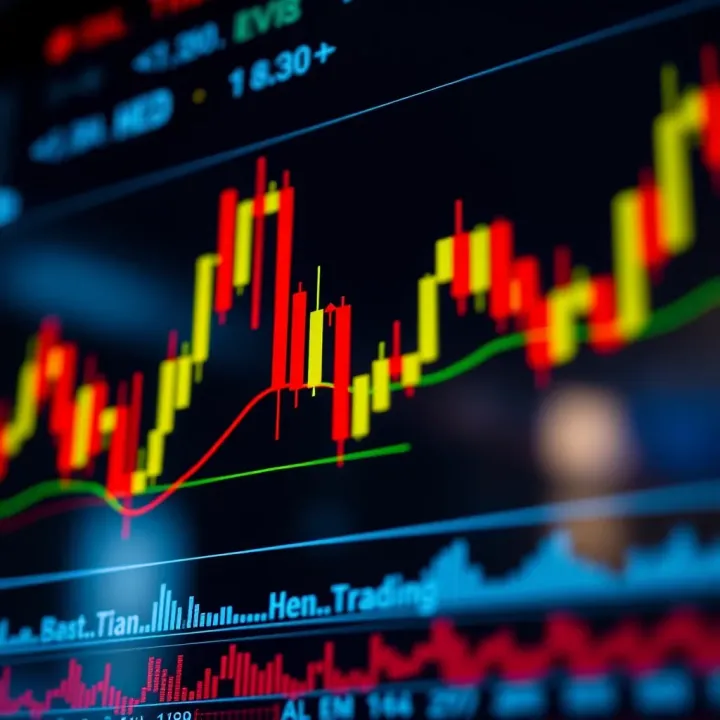
📈 Explore all essential candlestick patterns with clear explanations and practical tips for traders. Download the handy PDF to keep expert insights at your fingertips!
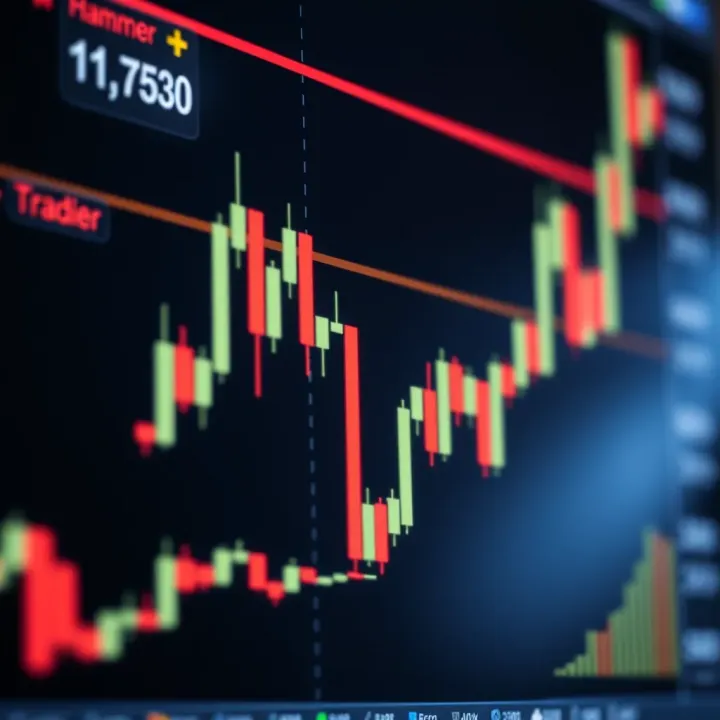
📊 Understand key candlestick and chart patterns to decode price trends in trading. Learn practical tips and examples tailored for India's markets and risk management.
Based on 12 reviews