

Momentum Candlestick Patterns Explained
📊 Learn how to spot momentum candlestick patterns to boost your trading skills. Get practical tips, understand market signals, and find PDF guides for deeper learning.
Edited By
Benjamin Hughes
Candlestick and chart patterns are essential tools for traders and investors aiming to read market behaviour better. These visual cues, derived from price movements, help predict potential market trends and reversals. In India, where market volatility often catches many off guard, grasping these patterns can sharpen your decision-making.
Understanding these patterns isn't just for seasoned traders; even beginners can benefit by recognising simple formations like the Doji, Hammer, or Head and Shoulders. Each pattern tells a story about market sentiment—whether buyers or sellers dominate and how price might move next.
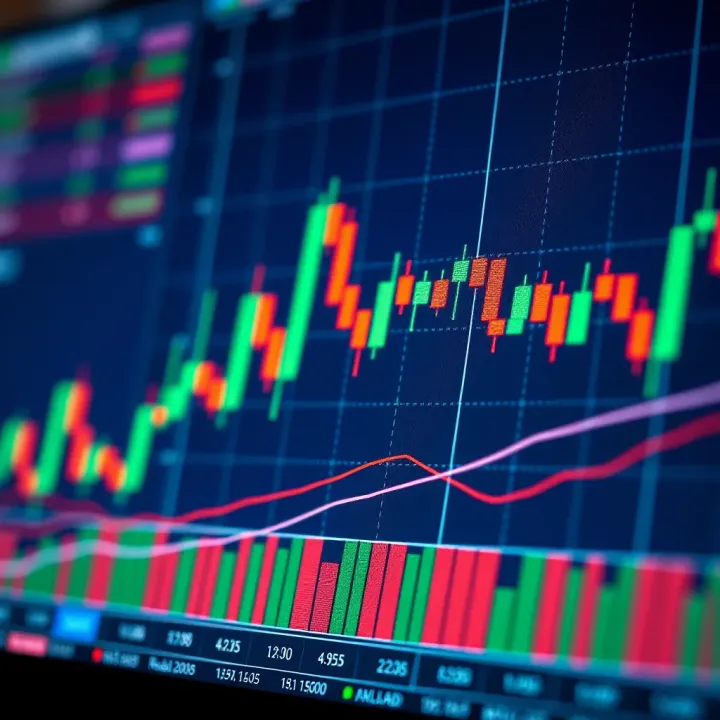
Candlestick patterns simplify complex price data into easy-to-interpret shapes, giving you actionable insights without needing to pore over endless charts.
Early signals: Identify potential trend changes before they happen.
Risk management: Spot when to enter or exit trades to minimise losses.
Improving strategy: Combine patterns with indicators for better accuracy.
Not every pattern leads to a trade signal; confirmation from volume or other technical indicators improves reliability.
Context matters. The same pattern might signal differently depending on the broader market trend.
Practice recognising patterns on historical data before applying them live, especially on Indian stock exchanges like NSE and BSE.
For traders eager to deepen their skill, downloadable PDF guides offer structured learning at your own pace. Look for materials that cover:
Fundamental candlestick formations
Chart pattern explanations with Indian market examples
Step-by-step guides to interpreting patterns
Several renowned Indian trading websites and brokerages provide such PDFs free of cost. Utilising these resources complements your trading routines and boosts confidence.
Mastering candlestick and chart patterns is a practical step to enhance your trading or investment strategy in Indian markets. Keep observant, verify signals with additional tools, and steadily build your market understanding.
Understanding candlestick charts is essential for anyone involved in trading or investing, including stockbrokers, financial analysts, and cryptocurrency enthusiasts. These charts offer a visually intuitive way to grasp price movements and market sentiment, making them invaluable for timely decisions. For instance, a trader spotting a hammer candlestick after a dip can infer a potential reversal, aiding in smarter entries.
A candlestick consists mainly of the body and two lines called wicks or shadows. The body represents the price range between the opening and closing values within a specific time frame, such as one day or one hour. When the closing price is higher than the opening, the body is often coloured green or white, signalling bullish movement. Conversely, a red or black body shows the price closed lower, indicating bearish pressure.
The wicks or shadows extend above and below the body and indicate the highest and lowest prices during that period. For example, a long upper wick suggests sellers pushed prices down after reaching highs, giving clues about market strength or weakness.
Candlesticks capture more than just where prices start and end; they show intraday fluctuations too. Say you look at a daily candlestick for Reliance Industries. If its body is small but with long shadows, it means uncertainty or indecision among traders that day. Large bodies imply strong buying or selling momentum.
By analysing these subtle clues, traders can anticipate possible trend changes or continuations. This makes candlesticks much more informative than simple line charts.
While both chart types display price range, candlestick charts are often easier to interpret visually. Bar charts use vertical lines with tick marks showing opening and closing prices, but they don’t convey momentum as vividly.
For example, a candlestick's coloured body immediately signals bullish or bearish bias, helping traders quickly grasp market sentiment. In contrast, bar charts require more effort to read at a glance.
Chart patterns form when multiple candlesticks align to shape recognizable figures like triangles, head and shoulders, or flags. These patterns help traders forecast future price moves based on historical behaviour.
Consider a double bottom pattern on NSE stocks: this often marks a trend reversal from bearish to bullish, signalling a good time to buy. Using patterns can improve trade timing when combined with other indicators.
Patterns help control risk by identifying stop-loss points and optimal entry or exit zones. For example, spotting a bearish engulfing pattern near resistance levels can tell you to exit or short the stock.

Such precision reduces losses and improves profit potential. Especially in volatile markets like cryptocurrency, pattern awareness is key to safeguarding your capital.
Some believe chart patterns always guarantee profits, but that is not true. Patterns indicate probabilities, not certainties. Relying solely on patterns without factoring in market conditions or volume can lead to false signals.
Equally, patterns work best when combined with risk controls and other technical tools, not in isolation. Remember, markets can behave unpredictably despite textbook patterns.
Effective trading blends chart pattern knowledge with broader analysis and discipline. This balanced approach helps you avoid common pitfalls while improving your market foresight.
This introduction sets the stage for exploring specific candlestick and chart patterns, helping you develop practical skills to read markets more confidently and make informed decisions.
Candlestick patterns serve as a practical way to gauge market sentiment in trading and investing. Recognising these patterns helps traders anticipate potential price movements and adjust their strategies accordingly. This section highlights key candlestick formations—both single and multiple—that regularly occur in market charts, especially in Indian equity and cryptocurrency markets.
A Doji forms when the opening and closing prices are nearly equal, resulting in a tiny or non-existent body with wicks on both ends. It signals indecision among traders, often appearing when the market is pausing or ready to change direction. Variations like Long-legged Doji and Dragonfly Doji differ in wick lengths but generally reflect a balance between buyers and sellers. For example, spotting a Doji after a strong uptrend on the Nifty 50 might warn of a possible reversal or consolidation.
Both patterns share a similar shape—a small body with a long lower wick—but their context differs. A Hammer appears after a downtrend and suggests a potential bullish reversal, indicating buyers pushed prices up after an initial fall. Conversely, a Hanging Man shows up after an uptrend and signals possible bearish reversal, warning that selling pressure is building despite the rise. Indian traders often watch for Hammers at support levels in stocks like Reliance Industries to identify buying opportunities.
These patterns feature a small body with a long upper wick but differ in their market setting. A Shooting Star emerges after an uptrend, hinting that buyers tried but failed to sustain higher prices, pointing to a likely pullback. The Inverted Hammer appears after a downtrend and signals a potential upturn as buyers start stepping in despite initial selling pressure. For example, an Inverted Hammer on Tata Motors' chart might indicate a short-term buying interest.
These patterns involve two candlesticks where the second fully covers or "engulfs" the first's body. A Bullish Engulfing occurs at the bottom of a downtrend and indicates strong buying that can trigger an upward move. Bearish Engulfing appears after a rally and suggests selling momentum that may push prices lower. These patterns hold weight when combined with volume spikes, commonly used by traders analysing stocks like Infosys or HDFC Bank.
Each is a three-candle formation signalling major trend reversals. The Morning Star appears after a downtrend and suggests bullish turnaround: a tall red candle, a small indecisive candle, then a tall green candle closing well above the first. The Evening Star, its inverse, emerges atop an uptrend warning of bearish reversal. These patterns can guide entry and exit points in volatile stocks and cryptos.
Both patterns feature three consecutive candles moving in the same direction. Three White Soldiers are three strong green candles signalling sustained bullish momentum, while Three Black Crows are three red candles indicating persistent selling pressure. These patterns help investors confirm trend strength before making decisions, useful in markets like the BSE Sensex or Bitcoin charts.
Recognising these candlestick patterns—single or multiple—equips traders with alerts on potential trend shifts. However, confirming these patterns with volume and other indicators boosts reliability and helps avoid false signals.
Understanding these formations allows you to navigate the markets with more confidence, combining pattern signals with broader market context and indicators for better decision-making.
Chart patterns serve as a practical tool for traders and investors to anticipate price movements in the stock or cryptocurrency markets. By recognising these patterns, market participants can make informed decisions on entry and exit points, manage risk better, and improve timing. Unlike guessing price changes, chart patterns offer evidence-based signals derived from market behaviour, making technical analysis more systematic.
Flags and Pennants are short-term continuation patterns that often signal a pause before the prevailing trend resumes. For instance, after a strong price rally in a stock like Tata Steel, a flag may form as a small rectangle or parallelogram sloping against the trend. The price consolidates, but low volume typically accompanies this pause. When the stock breaks above the flag’s upper boundary with volume uptick, it generally continues its uptrend. This helps traders hold onto winning positions or plan fresh entries.
Triangles and Rectangles mark longer consolidation phases in markets. A triangle pattern, formed by converging support and resistance lines, appears in ascending, descending, or symmetrical forms. For example, an ascending triangle in Reliance Industries often shows multiple price tests near resistance with a rising support line—hinting the price might breakout upwards. Rectangles represent a range-bound market where prices oscillate between horizontal support and resistance levels before breaking out.
Head and Shoulders pattern indicates a major trend reversal from bullish to bearish. This has three peaks: a higher ‘head’ in-between two lower ‘shoulders’. When Nifty 50 forms a head and shoulders at its recent peak, it’s often a warning of a market downtrend. Traders watch the ‘neckline’—a support line linking the troughs between peaks. A decisive break below this neckline usually confirms the reversal.
Double Top and Double Bottom patterns are simpler reversal formations. A double top looks like an ‘M’ and signals prices hitting resistance twice before falling—suggesting a bearish turn. The double bottom, shaped like a ‘W’, hints at a bullish bounce after two price lows. For instance, a double bottom in a pharma stock like Sun Pharma could signal a good buying opportunity after a prolonged fall.
Cup and Handle is a bullish continuation pattern shaped like a rounded bowl (the cup) followed by a small price dip (the handle). IT companies like Infosys often show this pattern, indicating a pause before the uptrend continues. Once the price breaks above the handle’s resistance, it’s considered a buy signal.
Volume confirmation is critical to distinguish reliable chart patterns from weak ones. Strong volume during a breakout or breakdown suggests genuine market interest and makes the signal trustworthy. For example, a pennant breakout on Nifty with heavy volume confirms the uptrend is powerful and likely to continue.
Combining chart patterns with moving averages and Relative Strength Index (RSI) offers more confidence. A breakout near the 50-day moving average supported by an RSI above 50 signals bullish momentum. This layered approach reduces reliance on patterns alone.
Avoiding false signals requires patience and cross-checking. Not every pattern plays out as expected; prices may falsely break patterns and revert quickly. Traders should consider broader market context, news impact, and volume trends to filter genuine signals. Using stop-loss limits also protects against unexpected moves.
Recognising chart patterns alongside volume and technical indicators equips traders with better tools to navigate market uncertainty, especially in volatile Indian stock and crypto markets.
Investing time in quality learning materials enhances your understanding of candlestick and chart patterns. PDFs offer the convenience of revisiting complex patterns anytime and applying them practically across markets, including Indian equities and cryptocurrencies. Knowing reliable sources for these books saves you from wasting effort on outdated or inaccurate content.
Official publisher websites provide authentic PDFs either as part of purchase or free samples. For instance, major technical analysis publishers like Wiley or McGraw Hill often offer sample chapters so you can preview the quality before buying. These websites guarantee genuine content without risks of piracy or errors typical in scanned copies. Also, official PDFs tend to come with digital features, like clickable indices or embedded charts, making study smoother.
Educational platforms and trading forums can be treasure troves for both free and affordable PDFs. Platforms such as Investopedia, Zerodha Varsity, or Traders’ forums like Stack Exchange often shared vetted e-books by experienced analysts or educators. While some content is free, others may require subscription but offer updated versions and community support. Users can also access detailed notes or discussion threads clarifying difficult patterns, especially relevant for beginners or intermediate traders.
Popular Indian e-book sites like Flipkart eBooks or Amazon India often list translated or India-specific editions of global classics on chart patterns. These platforms provide easy payment options, Indian pricing, and instant downloads, ideal for traders who want quick access on mobiles or tablets. The availability of user reviews and ratings also helps in choosing editions that balance theory with practical Indian market examples.
Books by established authors in technical analysis form the backbone of quality learning. Works by authors like Steve Nison, Thomas Bulkowski, or John J. Murphy have stood the test of time and are a must-have for any serious trader. Their PDFs explain pattern psychology along with real market data, offering insights that go beyond textbook definitions. These authors often explain nuances relevant to diverse markets, including the volatility seen in Indian stock exchanges.
PDF editions with practical examples and charts help link theory to real trading decisions. For example, a PDF edition that includes annotated charts from the Nifty 50 or Sensex markets allows Indian traders to visualise how patterns played out historically. Practical examples increase retention and build confidence in identifying buy or sell signals amid market noise. Look for PDFs that combine simple explanations with detailed graphic illustrations and step-by-step analysis.
Availability of updates and editions matters because market dynamics evolve. PDFs that come with revised editions reflect regulatory changes, new trading instruments, and shifting market behaviour — all vital to stay current. Buying from sources offering lifetime updates or newer editions ensures you won’t miss out on recent findings or charting techniques. This habit especially benefits traders planning to work across equities, commodities, or cryptocurrencies where patterns may behave differently.
Quality learning materials matter more than just quantity. Opting for reliable PDFs from trusted sources and proven authors can sharpen your candlestick and chart pattern skills steadily, enabling better market decisions in Indian trading contexts.
By sourcing the right PDFs and steadily practising with them, you can build robust technical analysis skills suited to varied financial instruments and conditions seen in India.
Mastering chart patterns is more than just recognising shapes on a screen. To truly benefit, traders and investors need to apply these patterns correctly and keep improving their skills. This section covers practical ways to do that, focusing on hands-on practice and avoiding common pitfalls.
Back-testing patterns on Indian stock markets helps you understand how certain formations behaved in the past. For example, you might test how a 'Head and Shoulders' pattern signalled reversals for benchmarks like the Sensex or Nifty during volatile periods. This approach enables you to assess whether recognising such patterns improves your timing and decision-making, reducing guesswork.
Using past price data grounds learning in reality, showing not only ideal cases but also false signals, allowing you to develop a more nuanced understanding. This is especially useful as Indian markets have unique factors like sudden policy changes or festive season impacts, which colour price movements differently than global markets.
Free charting software and mobile apps provide user-friendly platforms to practice without financial risk. Tools like TradingView, Zerodha’s Kite, or Upstox Pro offer extensive historical data and interactive features to spot, draw, and confirm patterns on various Indian stocks and indices. They also let you simulate trades and set alerts, helping reinforce pattern recognition and decision-making habits in real time.
These platforms often come with community features, where you can see how other traders interpret the same charts. This social aspect reflects real market scenarios where opinions differ. Hence, practising using these apps not only builds technical skills but also prepares you for the market’s unpredictability.
Relying solely on chart patterns can mislead you if you ignore other factors. Patterns hint at potential moves but don't guarantee outcomes. For example, a bullish engulfing pattern might fail if broader market sentiment is negative. Combining pattern analysis with fundamentals or macroeconomic indicators strengthens your trading edge.
Market context and news flow play a vital role. Suppose you're watching a double bottom for a stock; if government policy shifts dramatically or a major corporate event unfolds, that pattern might lose relevance. Staying updated on India's economic news, sectoral developments, or global cues helps you interpret patterns more accurately.
Setting realistic expectations prevents frustration and rash decisions. No pattern predicts big profits every time. Your aim should be steady improvement, not quick wins. Start by spotting simple patterns in less volatile stocks or sectors and gradually move to complex setups or intraday charts. This patient approach suits India's diverse market conditions.
Successful application of chart patterns blends consistent practice, market awareness, and sensible goals without overdependence on any single method.
In summary, using historical back-testing combined with practical tools helps build confidence. Avoiding the trap of 'pattern-only' trading and factoring in news and realistic targets leads to more informed and balanced market decisions.
📊 Learn how to spot momentum candlestick patterns to boost your trading skills. Get practical tips, understand market signals, and find PDF guides for deeper learning.
📊 Learn how to read key market candlestick patterns for smarter trading decisions. Avoid common mistakes and improve your analysis skills effectively.

📊 Master market chart patterns with easy-to-understand guides and free PDFs. Learn to interpret patterns and sharpen your trading skills effectively in India.

📊 Understand multi-candlestick patterns in trading! Learn how to spot key formations, interpret market trends, and improve your trading strategies effectively.
Based on 11 reviews