

Online Paper Trading Guide for Investors in India
📈 Explore online paper trading in India! Learn to practice market strategies risk-free with top platforms, tips, and common challenges for investors.
Edited By
George Phillips
Paper trading offers a smart way for traders to hone their skills without risking real money. In India, where markets can be volatile and fast-moving, practising with virtual funds helps you test strategies before putting your hard-earned cash on the line. It's like running a dress rehearsal before the big show.
Several platforms now offer paper trading with features tailored to Indian users, including access to NSE and BSE stocks, derivatives, and even cryptocurrencies. Choosing the right website depends on factors like data accuracy, ease of use, and whether it supports the financial instruments you want to trade. For example, some platforms may offer real-time market data with a slight delay, while others provide simulated order execution mimicking live conditions.
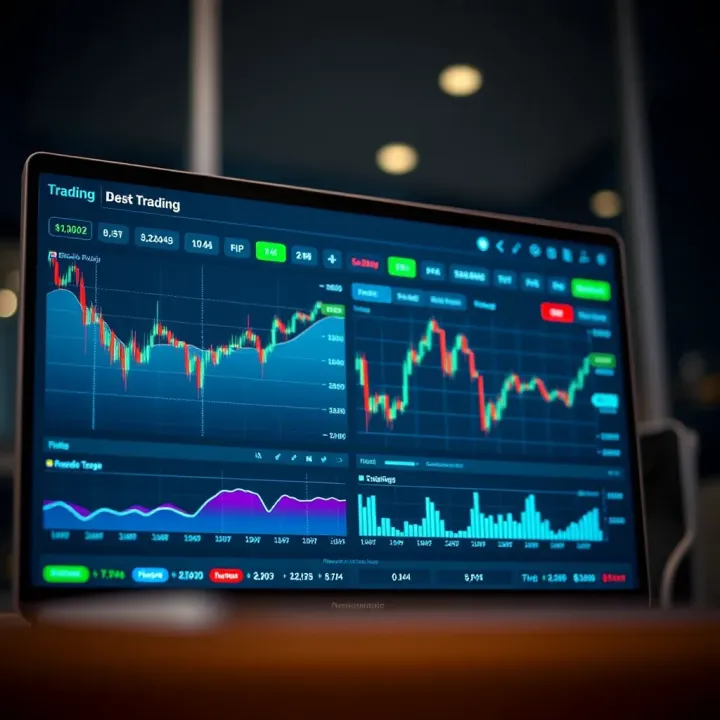
Remember, paper trading is a tool to build confidence, understand market behaviour, and sharpen your decision-making without fearing losses.
Risk-free practice to evaluate how your strategies perform under different market conditions.
Learning order types such as market, limit, stop-loss, and understanding their impact.
Gaining familiarity with trading platforms' interfaces and tools.
However, it's worth noting that emotional factors experienced during live trading can't be fully replicated. But still, paper trading works well for technical practice.
When choosing a paper trading website, keep these in mind:
Market Coverage: Does the platform cover Indian stocks, futures, options, and cryptocurrencies?
User Interface: Is the platform intuitive, especially for freshers and seasoned traders alike?
Data Quality: How close is the simulated data to real market conditions?
Cost: Are there any hidden charges, or is the paper trading feature free?
Platforms like Zerodha's Kite, Upstox Pro, and Moneycontrol Virtual Market are popular among Indian traders for their reliability and feature set. Each has its strengths depending on what you aim to practice.
In the sections ahead, we'll dive into detailed reviews of these platforms and others, comparing their strengths and weaknesses to help you pick the one best suited to your trading goals.
Paper trading offers an effective way to practice buying and selling securities without putting real money at risk. For Indian traders, especially beginners, understanding this concept provides a safe environment to sharpen trading skills before entering the live markets.
Definition and purpose: Paper trading means simulating trades in a virtual environment using real market data. Traders execute buy or sell orders on a fake portfolio, tracking profits and losses as if they were genuine. The main goal is to learn market dynamics, test strategies, and build confidence without financial consequences.
Difference between paper trading and real trading: The key difference lies in risk exposure. While paper trading uses virtual funds, real trading involves actual money. This means emotions like fear and greed impact real trading more deeply, which paper trading can only partly replicate. For example, during a volatile session on the NSE, paper traders may find it easier to stay calm, but real traders could hesitate or overreact due to real losses.
Learning without financial risk: Paper trading acts like a sandbox where you can experiment freely. For instance, a fresher exploring options trading can learn concepts like premiums and expiry dates without risking even a rupee. This helps build foundational knowledge without worrying about slipping up.
Testing new strategies: Suppose you want to try a momentum trading approach using Nifty futures. Paper trading lets you backtest and practise this strategy live, identifying what works and what doesn't. It avoids blowing up your account while you refine timing, stop-loss levels, and position sizing.
Building confidence before investing real money: Many traders hesitate when starting because of fear. Paper trading breaks this barrier by mimicking real market actions. When you see consistent virtual profits or understand losses from strategy errors, you begin trusting your own decision-making process, easing the transition to actual investing.
Paper trading isn't just child's play—it's a critical stage where you learn by doing without financial pain.
In sum, adapting paper trading to your style can dramatically reduce beginner mistakes and speed up learning, making it an invaluable tool for anyone serious about stock or derivatives trading in India's markets.
Selecting the right paper trading platform requires careful attention to several key features. These features determine how realistic and useful your practice experience will be, especially for Indian traders targeting NSE, BSE, and other markets. Focusing on market coverage, execution speed, usability, and additional resources will help you find a platform that closely mimics real trading conditions and supports your learning path effectively.
A robust paper trading website should offer access to Indian markets like the National Stock Exchange (NSE) and Bombay Stock Exchange (BSE). For example, practicing trades using live NSE equity data gives you a sense of how Indian stocks move during market hours. Without Indian market access, traders might not experience actual price swings or market behaviour relevant to local stocks.
Equally important is the availability of different instruments—stocks, derivatives such as futures and options, and commodities. If you want to test derivatives strategies, you need a platform that simulates options trading with accurate strike prices and expiry dates. Platforms limited to equities alone don’t allow you to explore the full range of opportunities Indian markets offer, such as commodity futures on MCX or currency derivatives.
Access to live market data is a must when paper trading. Prices updating in real time provide a realistic environment to test entry and exit strategies under current conditions. Delayed prices skew your understanding, making your practice less applicable when you move to real trading. For instance, a 15-minute lag on price quotes can create false impressions of volatility.
Execution speed also matters. A slow platform that delays order confirmation by seconds or more can frustrate users and distort outcomes. Quick order execution allows you to simulate real-world trading scenarios accurately, including scalping or intraday trading. This is particularly crucial if you aim to trade high-frequency or momentum-based strategies.
An intuitive dashboard is key to smooth trading practice. When the platform’s functions are clear and easily accessible, you spend more time analysing trades rather than navigating menus. For instance, well-organised watchlists, order books, and portfolio summaries help you track performance effortlessly.

Mobile app availability is equally important in India, where many traders rely on smartphones for market access. A good app lets you paper trade on the go, capturing opportunities even outside office hours. Platforms without responsive mobile interfaces may limit your trading practice.
Customisable charts and tools let you tailor the interface to your needs. For example, adding specific technical indicators like RSI or moving averages helps test strategies based on chart patterns. Flexible chart settings improve the quality of your analysis and decision-making.
Educational content on the platform adds value, especially for newcomers. Tutorials, webinars, or articles integrated within the interface help deepen your understanding of markets and trading concepts. Without such resources, learning may become fragmented.
Technical indicators built into the platform enrich your practice by allowing hands-on experience with common tools used in Indian markets. Whether it’s Bollinger Bands, MACD, or Fibonacci retracements, having these at your fingertips is essential for strategy testing.
Finally, community and support channels provide quick help and peer interaction. Trading forums or chat support can clarify doubts and offer insights from other Indian traders. A platform with responsive customer service prevents you from getting stuck over technical issues.
Choosing a paper trading website with these features aligns your virtual practice closely with real trading conditions, boosting your readiness for the Indian stock markets.
Choosing the right paper trading platform matters a lot for Indian traders. It lets you practise trading without risking money, while familiarising yourself with market movements and order execution. This section reviews top websites, comparing features relevant to Indian users, like market access, usability, and data quality. Knowing the pros and cons of each platform helps you pick one that matches your trading goals.
Zerodha Kite, a leading retail trading platform in India, offers simulated trading through integrations like Upstox and SuperChart. This means you can practise order placement and strategy testing using real NSE and BSE market data but without actual money at stake. This integration mimics live trading closely, which helps build confidence in executing trades.
Strength-wise, Zerodha Kite stands out for its seamless interface familiar to Indian traders and robust access to Indian stocks, derivatives, and commodities. However, the paper trading feature is somewhat limited compared to dedicated simulators and might not support complex strategy backtesting fully. For beginners wanting a smooth transition to actual trading, it works well, but advanced traders may find it a bit basic.
Moneybhai shines with its user-friendly design aimed at beginners stepping into investing and trading. Its simple layout and clear navigation reduce the learning curve, making it easier to practise without feeling overwhelmed by too many technicalities.
With virtual funds assigned to users, Moneybhai simulates the Indian market realistically. You can buy and sell shares, mutual funds, and derivatives using fake money but live price movements. This helps you understand market dynamics and portfolio management without any financial risk. The ability to experience market volatility firsthand makes it a good training ground.
TradingView is known worldwide for its advanced charting capabilities and vibrant community features. Its charts come loaded with dozens of technical indicators, customizable drawing tools, and live updates, which are valuable for traders who rely heavily on technical analysis.
The platform's paper trading uses real market data from NSE and BSE, allowing Indian traders to test strategies under true-to-life conditions. Plus, you can share ideas and strategies within its social network, learning from other traders' insights. This makes TradingView particularly suited for those wanting deep technical study alongside simulation.
NSE Paathshala is designed specifically for educational purposes by the National Stock Exchange itself. It focuses on helping new investors understand trading mechanics and market behaviour in a risk-free environment.
Being an official simulator, NSE Paathshala offers simulated trading with authentic market rules and scenarios. Practising here ensures familiarity with real exchange processes and reduces surprises when trading live. This platform is especially useful for students, freshers, and those new to Indian equity markets seeking government-backed learning tools.
Selecting a paper trading website needs attention to features like market relevance, usability, and data accuracy. These platforms cater to different user needs, from beginners to advanced traders. Evaluate your preferences before picking the one that fits your learning style and investment goals.
Choosing the right paper trading platform matters because each trader's goals and style vary widely. A platform that matches your trading preferences and provides accurate, timely data will help you simulate real-market conditions closely. It also ensures your practice translates into useful experience when you start trading with actual money. Without this fit, your efforts may fall flat, or you might develop habits that don't work in live markets.
Your trading horizon fundamentally shapes your choice. If you prefer short-term trades like intraday or swing trading, your platform should offer fast execution, real-time data feeds, and access to volatile instruments such as derivatives or options. For example, if you are testing scalping strategies, delays of even a few seconds can mislead your practice session.
On the other hand, if your focus lies in long-term investing, you will benefit from platforms that provide robust historical data and allow tracking performance over months or years. Features like dividend tracking, corporate announcements, and sector analysis become more relevant here. You’d likely need less focus on millisecond execution speed but more on comprehensive research tools.
Some traders specialise in derivatives like futures and options, while others stick to equities for their portfolios. If derivatives interest you, ensure the platform supports simulated trading in NSE’s F&O segments with accurate pricing, margin calls, and expiry cycles. For example, a derivative-focused platform must let you test option strategies like spreads or straddles in near-real conditions.
Equity traders might prioritise a smooth interface with detailed stock information, charting options, and fundamental data. Not all paper trading sites offer full derivatives coverage—so picking one aligned with your instrument preference can prevent wasted time.
A paper trading platform should reflect live market movements promptly. Without real-time data, you risk practicing based on outdated prices, which defeats the purpose. Indian markets can be highly volatile, especially near opening and closing hours. Platforms offering delayed quotes or slow refresh rates could mislead you on entry and exit points.
Reliability also extends to uptime and technical glitches. Frequent downtimes or crashes mean lost opportunities to simulate trades realistically. For instance, during critical market events like budget announcements, the platform must maintain seamless operation.
Access to extensive historical market data helps backtest your trading strategies before you try them in real-time. This is particularly important for long-term investors or algorithmic traders who need to validate approaches over various market cycles.
A good paper trading site for Indian traders will provide historical prices for NSE and BSE stocks, derivatives expiry history, and possibly commodities. Platforms lacking such archives limit your ability to learn from past trends and patterns effectively.
Many platforms offer paper trading free of cost, which suits beginners or casual traders. However, free versions may impose limits on features, data points, or the number of simulated trades.
Paid tools usually unlock advanced functionalities such as detailed analytics, higher data limits, or integrated news feeds. For example, a trader serious about options strategies might invest in a platform that costs a few thousand rupees annually to access these enhanced capabilities.
Thus, assess whether you want an all-in-one solution or just basic practice. Starting free is sensible, but upgrading later might pay off.
With internet access growing rapidly in tier-2 and tier-3 cities, the platform’s availability on mobile apps matters a lot. Many Indian traders prefer trading from smartphones during commutes or outside office hours.
A good paper trading website will offer both desktop and mobile versions that sync seamlessly. The UI should be optimised for smaller screens without sacrificing essential features. For example, Zerodha’s Kite app allows paper trading and real trading from the same platform, which helps users practice on the go.
Picking a platform that fits your goals, delivers accurate data, and suits your device preference makes your paper trading experience meaningful. It builds the foundation you need before taking real risks in the market.
Paper trading can be a valuable tool for sharpening your skills, but it only works if you approach it seriously. Treating paper trades as real investments helps build discipline and simulates the emotional pressures genuine trading brings. Without a structured approach, paper trading risks becoming mere simulation without real learning. Here, practical steps can ensure your practice translates into improved real-world results.
Setting clear goals is essential. Whether you aim to master intraday strategies or test long-term positions, defining specific outcomes gives your practice a direction. For example, you might target a 5% virtual profit on a particular strategy before moving on to real trades. Just like in real markets, imposing daily or weekly loss limits trains you to control risk and cut losses early. Without these boundaries, it is easy to take unrealistic risks, which won’t help in actual investing.
Keeping detailed records of every trade—entry price, stop-loss, target, and outcome—helps identify strengths and weaknesses. Using spreadsheets or the platform’s built-in performance reports allows you to spot patterns, such as consistently losing after certain setups or performing well with specific sectors like IT or pharmaceuticals. This tracking mirrors the routine that professional traders follow and is invaluable for continuous improvement.
Paper trading is ideal for trying out technical indicators without risk. You can explore moving averages, Relative Strength Index (RSI), or Bollinger Bands on real-time data to see how they perform in breakouts or corrections. For instance, testing an RSI-based entry strategy during volatile market phases on NSE stocks provides hands-on insights without burning money. This process sharpens your chart-reading skills before you invest real capital.
Do not limit paper trading only to charts. Use it to practise fundamental analysis as well by virtually investing in companies based on quarterly results, dividend history, or market news. For example, if you analyse the impact of rising crude prices on Indian oil companies, you can track how your virtual portfolio reacts over months. This helps understand longer-term investing without real exposure.
Periodically reviewing your paper trades is crucial. Identify why profitable trades succeeded or losses happened. Maybe you missed a stop-loss or ignored market sentiment. This review should focus on behaviour as much as numbers. For example, discovering that overtrading causes losses can encourage restraint in real markets.
Learning from paper trading means refining strategies according to results. If a certain approach underperforms, modify your entry or exit criteria and test again. Continued adjustment ensures your methods evolve with changing market conditions rather than remaining static. This iterative learning cycle helps build confidence to move from demo to real trading smoothly.
Paper trading is a rehearsal, not a game. Approach it with the same seriousness you would real investing to gain genuine skills and confidence.
📈 Explore online paper trading in India! Learn to practice market strategies risk-free with top platforms, tips, and common challenges for investors.
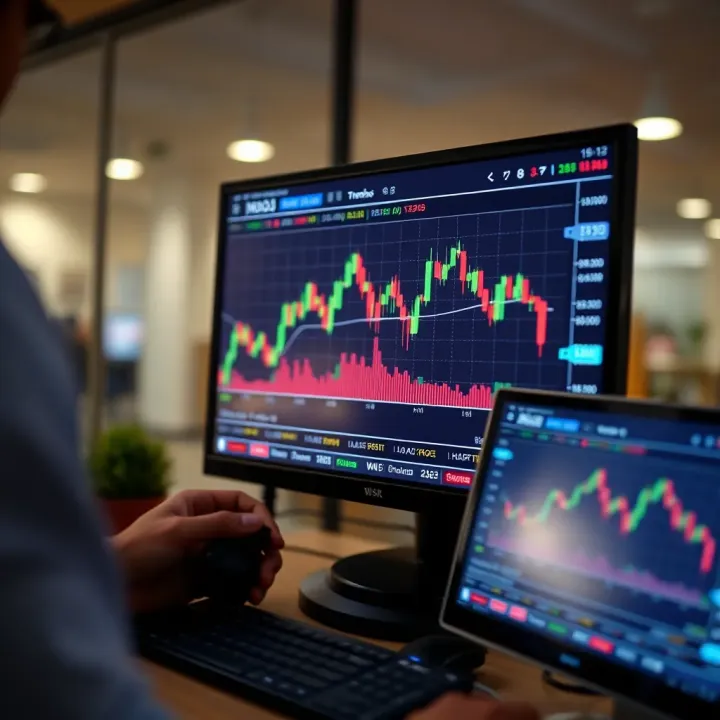
📈 Learn how live paper trading works in India! Practice strategies risk-free using top platforms, avoid pitfalls, and boost your trading skills today.
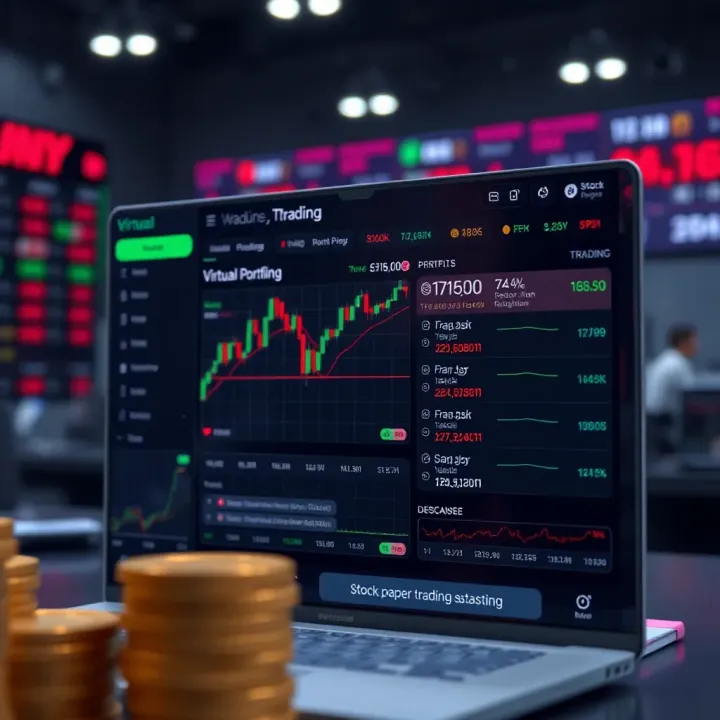
📝 Master stock paper trading in India with this guide! Learn platforms, strategies, and analysis to build skills confidently before real investing. 📊💡
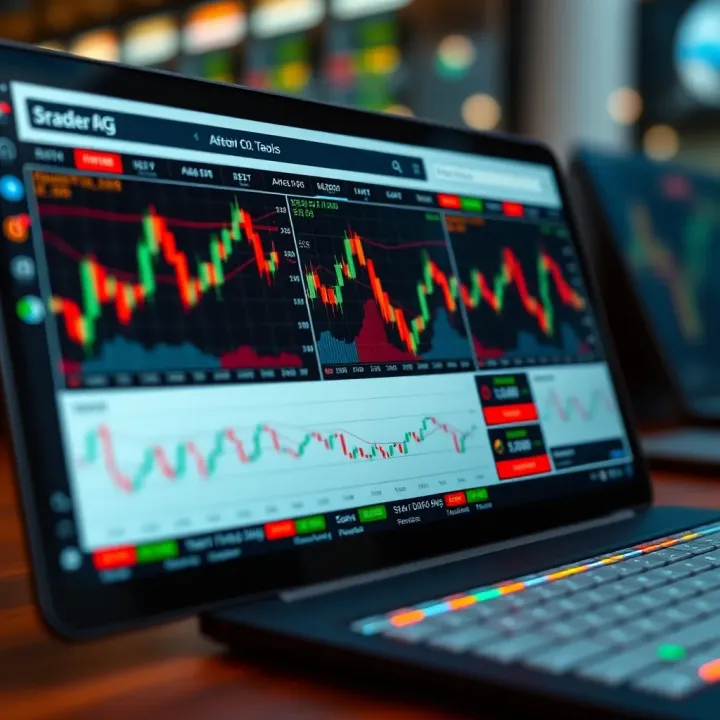
Discover the best live paper trading apps to practice stock trading risk-free 📈. Learn how to pick the right app & confidently switch to live trading in India 🇮🇳.
Based on 8 reviews