

Online Paper Trading Guide for Investors in India
📈 Explore online paper trading in India! Learn to practice market strategies risk-free with top platforms, tips, and common challenges for investors.
Edited By
Elizabeth Moore
Paper trading is a simulation of buying and selling stocks, commodities, or other financial instruments using virtual money. Unlike live trading, no real money is at risk. This practice helps investors and traders test strategies, understand market behaviour, and build confidence before committing actual funds.
For Indian investors, paper trading can be especially useful due to the unique characteristics of Indian markets, such as specific trading hours, regulatory conditions set by SEBI (Securities and Exchange Board of India), and the availability of local financial products like mutual funds, equities listed on NSE and BSE, as well as derivatives. Practising on platforms tailored for these markets makes it easier to learn without worrying about losing real money.
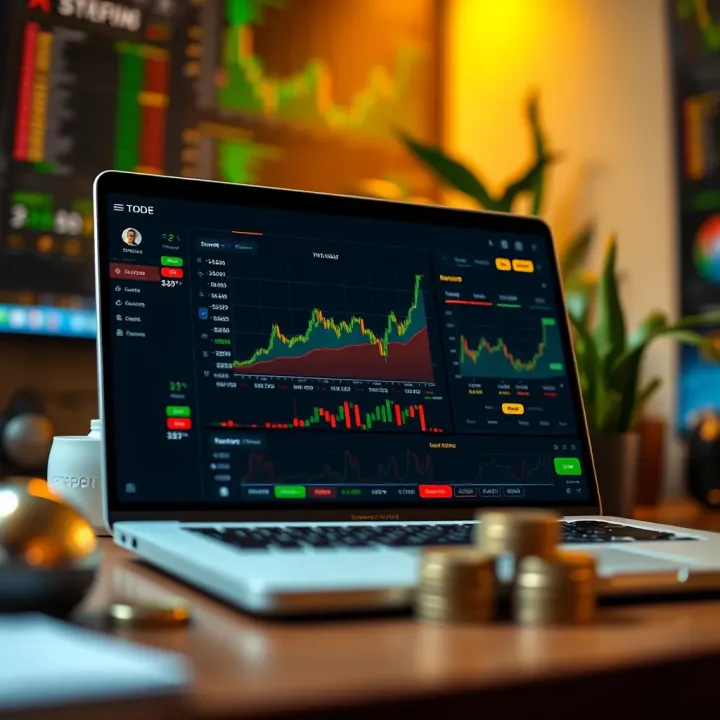
Many traders make the mistake of entering live markets without enough practice. Paper trading fills this gap, offering a risk-free environment to spot weaknesses and improve decision-making.
Besides novices, experienced traders also use paper trading to experiment with new strategies or asset classes, such as commodities or cryptocurrencies, without financial exposure.
When choosing a paper trading site, Indian users should keep a few things in mind:
Market Coverage: The platform should support Indian stocks (NSE, BSE) and preferably include derivatives and commodities.
Realistic Simulation: Options like live market data and realistic order execution help mimic true trading conditions.
User Interface: A straightforward interface accelerates learning and reduces confusion.
Additional Tools: Features such as charts, technical indicators, and news feeds add value.
Some platforms also offer community features, allowing users to discuss trades and strategies — beneficial for continuous learning.
This guide will explore the best paper trading sites suitable for Indian investors, breaking down their features and highlighting key aspects to consider. By practising on the right platform, you can approach live trading with better insights and higher confidence.
Paper trading is a simulated trading practice where investors buy and sell assets using virtual money instead of real cash. It allows you to mimic market conditions without risking your hard-earned money. For instance, if you are interested in the stock markets but hesitant to put real money at stake, paper trading offers a zero-risk way to understand market movements and test strategies.
Simply put, paper trading is a practice run of the real market. Imagine you want to buy shares of Reliance Industries or Tata Motors but aren't sure how market fluctuations might affect your investment. Paper trading platforms provide real-time data so you can place virtual buy or sell orders just as you would in a live market. This experience helps you understand order types, market behaviour, and the impact of fees without financial consequences.
For beginners, paper trading is a safe ground to learn the ropes. It helps build familiarity with trading platforms, understand chart patterns, and test entry and exit points without fear. Even seasoned traders benefit from paper trading when trying new strategies or moving into unfamiliar asset classes like commodities or cryptocurrencies. For example, a trader accustomed to equities might paper trade in the cryptocurrency market first to learn its volatility and nuances.
One of the main challenges in trading is risk management. Paper trading allows you to experiment with position sizes, stop-loss orders, and diversification without actual losses. Say you develop a strategy that involves investing ₹50,000 in different sectors; paper trading lets you observe how that allocation might perform during market ups and downs. Over time, this builds confidence and refines your approach, which can limit losses when you finally trade with real capital.
Paper trading is not just practice—it’s a risk-free testing ground that teaches you discipline and sharpens decision-making before real money comes into play.
To sum up, understanding paper trading and its benefits is critical for any trader or investor looking to sharpen skills, explore markets, and manage risk effectively. It's like rehearsing before the main performance—helping you avoid costly mistakes and improve your trading acumen.
Choosing the right paper trading platform matters more than it seems, especially for Indian investors trying to sharpen their skills without putting real money at risk. The platform you pick should mirror actual market conditions closely, allowing you to practise strategies and build confidence. Key features make a big difference — from how easy the platform is to use, to the accuracy of market data it provides. Let’s explore what to keep an eye on.
A smooth, intuitive interface helps you focus on trading without getting tangled in complex navigation. Imagine trying to set up a trade on a clunky site while market prices shift—frustrating, right? Look for platforms with clear layouts and easy order placement, like Zerodha's Kite virtual trading, which matches its real trading interface. This familiarity makes transitioning to live markets less daunting. The option to customise your dashboard according to your trading habits also adds value, helping you track your trades effortlessly.
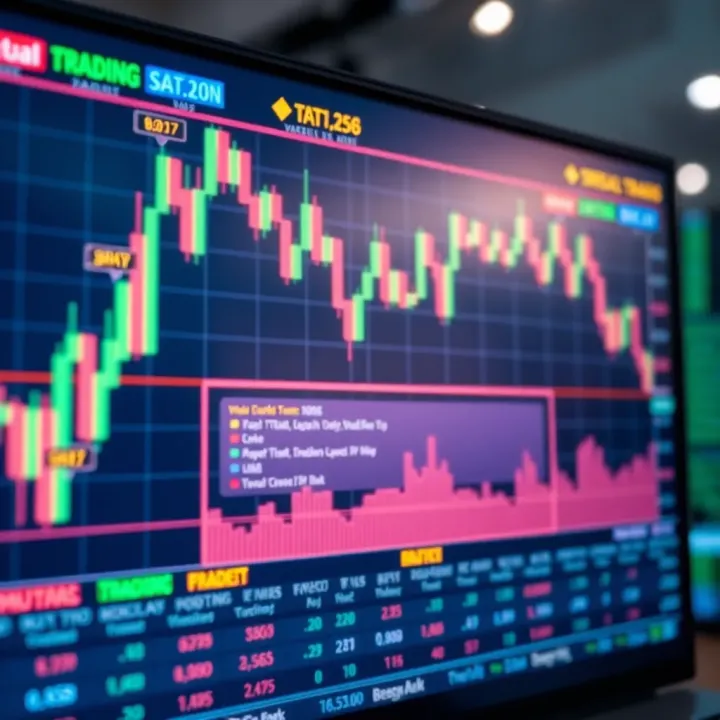
Paper trading only serves its purpose if it reflects live market dynamics properly. Platforms that offer real-time quotes, depth of market data, and timely updates let you practise trading on near-actual scenarios. For example, Upstox provides real-time data with minimal delays, which means your simulated trades react as close to reality as possible. On the other hand, lagging data can mislead you into making wrong decisions, ruining the learning experience.
A platform with diverse instruments lets you test strategies across stocks, commodities, currency pairs, and even cryptocurrencies if you’re interested. India's markets offer options like NSE equities, MCX commodities, and currency derivatives—all worth practising before you invest real rupees. Some platforms stick solely to equities, which might limit your growth if you want to explore futures or options trading later.
Trading isn’t just about buying or selling; analysing charts, indicators, and historical data plays a key role. Platforms that provide customizable tools such as drawing tools, technical indicators, and performance reports give you an edge when practising. For instance, TradingView’s paper trading section offers rich charting features that many Indian traders find useful to hone technical analysis skills.
With hectic schedules, many traders rely on mobiles for quick market access. Paper trading platforms that offer robust mobile apps make practising convenient anywhere, anytime. Features like push notifications on price movements or order executions help you stay engaged without being glued to a desktop. Given Indian investors’ growing reliance on mobile trading apps like Upstox and Zerodha Kite, mobile compatibility is no longer optional but a necessity.
Choosing a platform with these key features ensures your paper trading experience not only mirrors real market conditions but also prepares you better for live markets.
Selecting a paper trading platform with a user-friendly interface, real-time data, wide market coverage, advanced tools, and mobile access will build your skills effectively and boost your trading confidence. Don't settle for less when practising with virtual money; the right platform can make the leap to real trading much smoother.
Reviewing popular paper trading sites is essential for Indian investors who want to build their trading skills without risking real money. Each platform brings unique tools, market access, and user experiences tailored to different trading styles. Knowing the strengths and limitations of these sites helps you pick the right one that fits your needs.
Upstox offers a straightforward paper trading platform ideal for beginners and intermediate traders. Its interface closely resembles the live trading environment, helping users get familiar with order types, charting tools, and execution speed. It supports equities, commodities, and derivatives, making it practical for those exploring various segments of Indian markets.
Upstox paper trading is free for anyone with an account, and there’s no restriction on how long you can practise. This accessibility is valuable when you want to refine strategies across market cycles without pressure. The platform also provides seamless integration with its mobile app, allowing traders to practise on the go.
Zerodha's Kite Virtual Trading offers a near-real experience with live market data and multiple order options. The clean, minimal interface appeals to traders who prefer a no-frills approach yet desire powerful charting and analytic tools. It’s especially useful for those already using Zerodha for actual trading, as the learning curve is shorter.
One drawback is that Zerodha limits the virtual trading account balance, which may restrict large-scale strategy testing. Also, this feature works within the Kite web platform only, so there's no dedicated mobile app for virtual trading. These factors might limit flexibility for traders seeking more extensive simulation.
Investing.com’s simulator stands out for its intuitive setup and beginner-friendly design. The registration process is simple, and the platform guides new users with helpful tips. You can place trades easily and track performance without much technical jargon, making it accessible to those who are not familiar with complex trading tools.
A key advantage is access to both Indian and international markets, including US stocks, forex, and commodities. This gives traders exposure beyond domestic limits, useful for those interested in global diversification. However, the Indian market data may lag slightly compared to local brokers.
TradingView offers one of the most comprehensive paper trading experiences with advanced charting, multiple technical indicators, and a large community for strategy sharing. It supports several global markets and also covers NSE and BSE stocks, appealing to Indian traders wanting deeper analysis and social trading features.
NinjaTrader focuses on active traders, especially in futures and forex. Its simulation replicates real-time market conditions with professional-grade tools for order execution and strategy testing. The catch is the platform’s complexity, which might overwhelm beginners but benefit those ready to handle advanced trading setups.
Choosing the right paper trading platform depends on your goals, preferred markets, and the level of detail you want in trading simulation. Start simple, test your strategies thoroughly, and gradually move to platforms that offer more sophisticated features.
Paper trading offers a risk-free environment to practise trading without putting real money on the line. To truly benefit from it, you need more than just clicking buy or sell. Setting clear goals, tracking your progress carefully, and planning your switch to real trading are all key if you want paper trading to actually improve your skills and confidence.
Start your paper trading journey by deciding what you want to achieve. Maybe you want to understand how a particular strategy, like swing trading or momentum investing, works. Or perhaps you want to learn to read charts better or test how you handle losses. Setting specific targets helps keep you focused. For instance, if you aim to improve your entry timing, your goal could be to analyse candlestick patterns daily and note which led to profits or losses.
At the same time, avoid setting unrealistic targets such as doubling your virtual capital in just a week. The stock market is volatile, and even good traders get hits. Keep your strategy practical and your expectations moderate to make lessons from paper trading relevant when you trade with real money.
Keeping a detailed record of your trades is where real improvement happens. Record not only the outcomes but also your reasoning behind each trade. You could maintain a simple journal or use spreadsheet software. Over time, patterns will emerge. For example, you might notice you exit trades too early or hold on to losing stocks hoping they'll bounce back.
Reviewing these mistakes regularly helps you adjust your approach. The benefit of paper trading is that you can afford to make these errors without financial pain, so take your time to learn from them. Many traders also analyse metrics like win rate or average profit/loss to evaluate how well their strategies are performing.
Once you feel consistent with your paper trades, it's tempting to jump into real markets. But this shift can be tricky because emotional pressure and actual money can change your behaviour drastically. To bridge this gap, start small when trading live, using amounts you’re comfortable risking.
Keep your goals in mind and apply the strategies tested during paper trading. Also, be prepared for the psychological impact of real losses. Paper trading won't replicate that, so cultivating discipline and emotional control is essential. Some traders practise with small investments alongside paper trades until they gain confidence.
Paper trading is like rehearsing before the play begins — it won't guarantee a perfect show, but it helps you find your footing and fix mistakes before the spotlight is on.
Approach paper trading seriously, tracking your progress with discipline, and plan your entry into real trading carefully. This way, paper trading becomes a powerful tool to build both skill and confidence for your investment journey.
📈 Explore online paper trading in India! Learn to practice market strategies risk-free with top platforms, tips, and common challenges for investors.
📈 Learn how live paper trading works in India! Practice strategies risk-free using top platforms, avoid pitfalls, and boost your trading skills today.
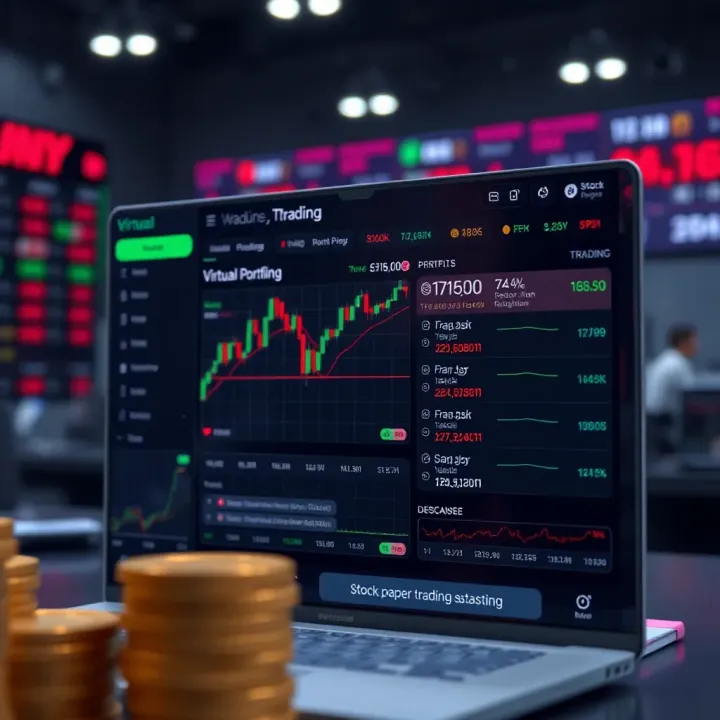
📝 Master stock paper trading in India with this guide! Learn platforms, strategies, and analysis to build skills confidently before real investing. 📊💡
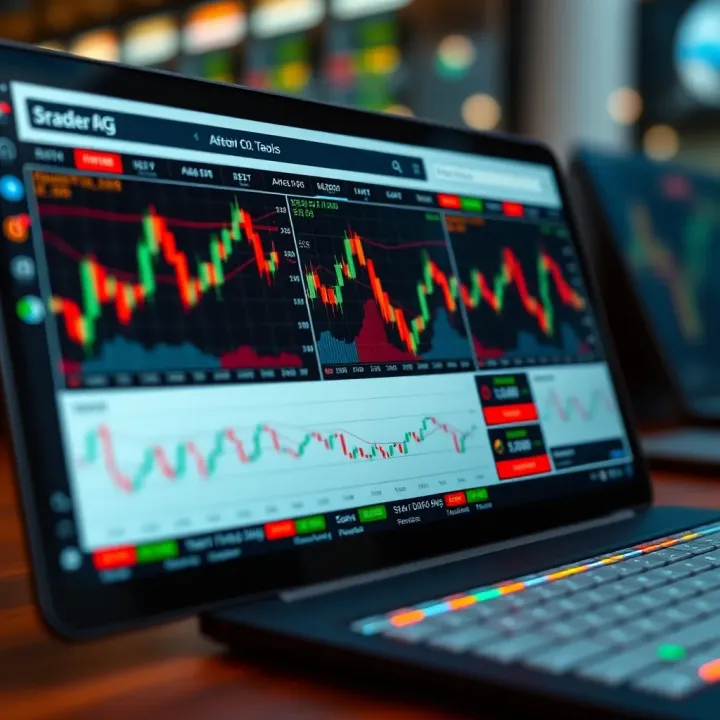
Discover the best live paper trading apps to practice stock trading risk-free 📈. Learn how to pick the right app & confidently switch to live trading in India 🇮🇳.
Based on 12 reviews