

Online Paper Trading Guide for Investors in India
📈 Explore online paper trading in India! Learn to practice market strategies risk-free with top platforms, tips, and common challenges for investors.
Edited By
Liam Matthews
Paper trading platforms offer an excellent way for new and experienced traders in India to practise stock market transactions without risking real money. These platforms simulate live market conditions, allowing users to buy and sell shares, commodities, or cryptocurrencies purely on paper. This helps in developing trading strategies, understanding market behaviour, and gaining confidence before moving to actual investments.
In the Indian context, where market volatility can sometimes be high, paper trading acts as a valuable training ground. For instance, a trader looking to test a momentum trading strategy on the Nifty 50 index can try it multiple times on a platform before deploying real capital. By evaluating the outcome in a risk-free environment, mistakes become learning opportunities rather than costly errors.
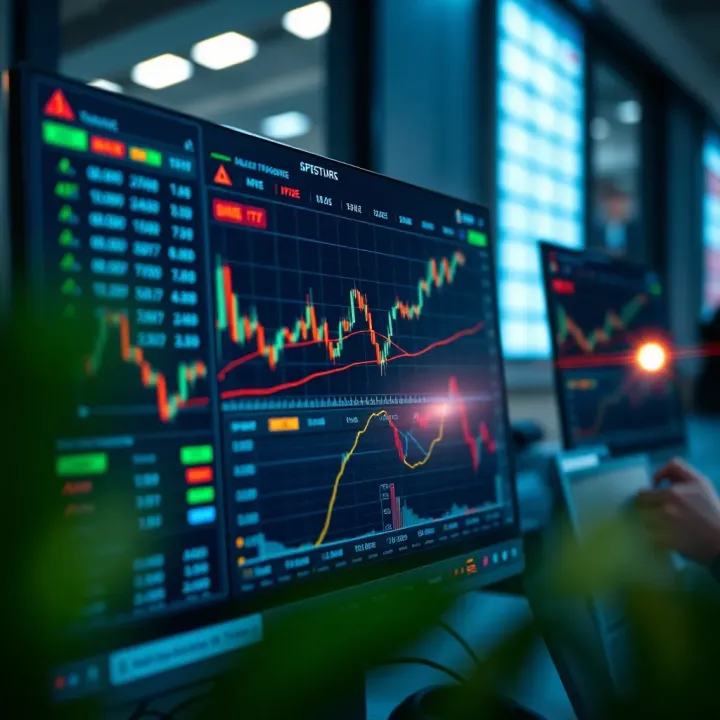
Engaging with paper trading lets you sharpen timing and decision-making skills without the worry of losing ₹10,000 or ₹1 lakh.
Some top features to consider when choosing a paper trading platform in India include:
Real-time market data: Delays in pricing weaken the experience; platforms offering near-instant updates are preferable.
Comprehensive asset coverage: Beyond stocks, options, commodities, and cryptocurrencies to reflect the diverse Indian market.
Easy interface with order types: The presence of market, limit, stop-loss orders mirrors real trading conditions.
Historical data access: For backtesting strategies against past market cycles.
No hidden costs: Paper trading is generally free but check for any charges or compulsory subscriptions.
Examples of platforms popular in India that support paper trading are Zerodha's Kite, Upstox, and IQ Option. These platforms offer integrated environments where you can switch between paper and live trading seamlessly.
Ultimately, picking the right paper trading platform depends on your specific needs: whether you want to practice day trading, understand technical analysis, or experiment with options spreads. Taking time to explore each option with a focus on data accuracy, ease of use, and asset variety will set you up for safer, more informed real trading.
Paper trading is a key starting point for investors and traders who want to get a feel for the stock market without putting actual money on the line. Essentially, it means practising buying and selling stocks in a simulated market environment. This allows you to understand how markets move, try out investment strategies, and observe the effects of trading decisions without financial risk.
Simulated trading aims to closely replicate real market conditions. Popular paper trading platforms often use live market data from exchanges like NSE or BSE, showing real-time stock prices and volumes. While you won't actually exchange money or shares, your trading orders are processed as if they were real. This practical mimicry helps build familiarity with how price fluctuations and order executions work.
It’s important to distinguish paper trading from demo accounts, though. Paper trading platforms typically offer a broader trading experience, mirroring live market complexities including order types, transaction costs, and slippage. In contrast, demo accounts might simplify scenarios or provide limited trading instruments. For Indian traders looking to develop robust skills, paper trading gives a fuller picture of real-market behaviour.
Learning market dynamics risk-free is a major reason traders turn to paper trading. The stock market can be volatile and unpredictable; using a simulator means you can experiment without worrying about losing capital. For example, a trader in Mumbai might practise trading shares of Reliance Industries during a volatile quarter, gaining insight into price swings before risking real money.
Testing strategies before investing real capital helps you refine your approach based on actual market feedback. Say you’re trying a momentum strategy on mid-cap stocks — paper trading lets you see if it holds up over time without burning through your savings. This trial-and-error builds quicker learning compared to reading or watching market news alone.
Building confidence and discipline is often overlooked but very valuable. Many traders hesitate to enter the market because of fear or lack of experience managing emotions during losses or gains. A disciplined paper trading routine helps cultivate emotional control and sticking to set rules. Over time, this foundation can ease the shift to real trading with less stress and more calculated decision-making.
Paper trading is not just about what to trade but also how to think like a trader — it gives you space to fail, learn, and prepare for the real deal ahead.
By understanding and practising using paper trading, Indian traders can step into live markets better prepared, armed with tested strategies and steadier nerves. This groundwork pays dividends when real money is on the line.
Choosing the right paper trading platform matters because it shapes how effectively you can practise and learn. Good platforms simulate real trading conditions closely, offer a variety of assets, and provide tools that suit your trading style. For Indian traders, considerations like access to NSE and BSE data, ease of use on mobile devices, and realism in order execution play a big role in making the practice worthwhile.
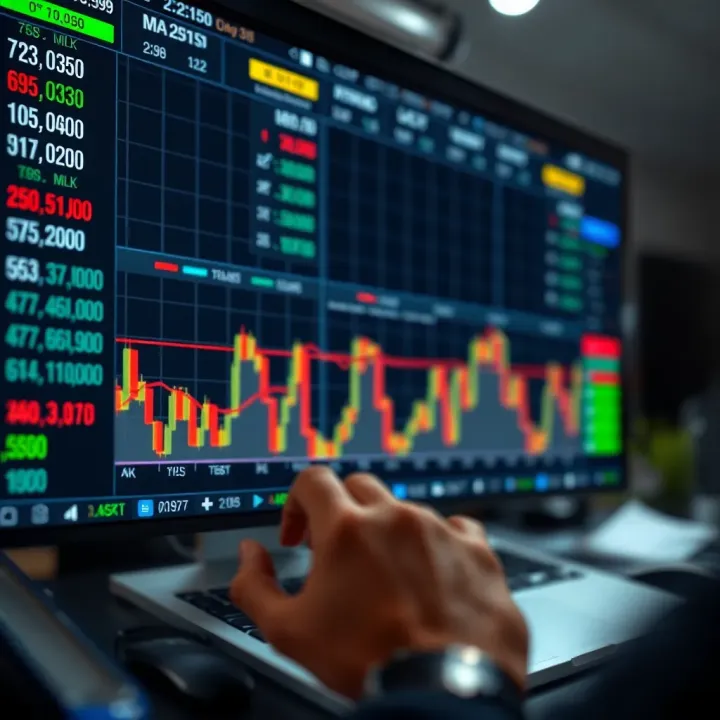
A comprehensive platform will feature a range of asset classes, not just stocks. Derivatives like futures and options or currency pairs offer broader exposure, especially for those keen on advanced trading strategies. For example, practising options strategies using real NSE data helps you anticipate price moves without risking capital.
Availability of major Indian exchanges’ data—specifically the National Stock Exchange (NSE) and Bombay Stock Exchange (BSE)—is critical. Access to live or near-live market data from these exchanges ensures your simulated trades reflect actual Indian market conditions. Without this, there is a gap between your practice and real trading, lowering the benefit of paper trading.
A platform that works smoothly on both mobile and desktop is essential. Mobile access lets you practise trading even while travelling or during breaks, supporting continuous learning. Desktop versions, meanwhile, usually offer more detailed tools and bigger screens for better analysis.
When it comes to charting and placing orders, simplicity helps avoid frustration. Clear, intuitive interfaces enable you to focus on strategy rather than figuring out how to click through menus. For instance, a platform where you can place a stop-loss order in just a few taps mimics real trading speed and reduces errors.
Accuracy of price feeds is a must-have. If prices lag or don’t match real-time market rates, your simulated trades won’t give a fair reflection of market behaviour. Platforms connected to reliable data sources provide timely price updates that represent what’s really happening on the exchanges.
Speed matters, too. Delays in order execution during simulation can be misleading because real trading involves milliseconds sometimes. A platform with quick order matching helps practise timing strategies properly.
Including transaction costs like brokerage and taxes, plus slippage (where prices move between order and execution), adds realism. Ignoring these might give a false sense of profits which will shrink or vanish in real markets due to fees and market moves.
Strategy backtesting allows traders to test ideas using historical data before trying them live. A platform offering robust backtesting saves time and helps refine strategies without financial risk.
Regular news updates and market analysis integrated within the platform keep you informed about factors influencing prices. This helps link theory with real-world events and improves decision-making skills.
Tutorials and community support add extra value. Learning modules tailored for Indian markets or forums where beginners exchange tips foster better understanding and quicker growth. It’s helpful when you can discuss your experiences with fellow traders.
Choosing a paper trading platform with the right features isn't just about practise—it builds habits and skills crucial for success once you trade with real money.
Choosing the right paper trading platform is key for mastering Indian markets without risking your capital. These platforms offer a risk-free environment where you can practise trading real NSE and BSE stocks, derivatives, and currencies. Beyond mere practice, they help familiarize you with market rhythms, order types, and trading tools.
Zerodha Kite’s paper trading function integrates with its Varsity educational module, making learning very straightforward for beginners. The platform allows simulated order placements mimicking actual market conditions, which means you can test strategies with virtual money while tracking real-time price movements. Its integration with Varsity—which offers detailed trading lessons—helps users build foundation and practical skills hand-in-hand.
For beginners, Zerodha offers a clean interface and ample educational content. Yet, while Kite provides a close market experience, it doesn’t include transaction costs in its simulator, which can create a slight gap when switching to real trading. Also, the absence of certain complex order types in the paper trading module might limit advanced strategy testing.
Upstox Pro’s paper trading mode shines through its accuracy and speed, offering simulated trading across stocks, F&O, and currency segments. It stands out for its quick order executions and realistic price feeds, which closely follow live market behaviour, making strategy testing genuinely useful.
The user interface is intuitive, with detailed charts and indicators accessible both on web and mobile. The platform offers practical tools like bracket orders and cover orders in simulation, helping users get accustomed to risk management techniques they’ll use in real trades. This helps traders transition smoothly from practice to live environments.
Angel Broking delivers a robust virtual trading platform covering major market segments, including equities and derivatives. It offers market depth, live quotes, and a realistic order book. The virtual environment includes simulated brokerage and transaction charges, thus reflecting actual trading costs in India.
Its learning resources are strong, with tutorials and analysis embedded within the app. Angel’s ‘ARQ’ investment engine also helps simulate portfolio building with AI-assisted calls, giving users insight into strategy performance over time.
TradeStation Global caters more to experienced traders looking for multi-asset, international market access alongside Indian stocks. Its paper trading includes advanced charting and strategy testing but may be complex for fresher traders.
NSE Paathshala targets students and beginners specifically with a simple interface linked to NSE’s data. It’s excellent for educational purposes, offering real market scenarios without financial risk, but is limited compared to brokerage-integrated platforms in terms of order types or asset variety.
Selecting the right paper trading platform depends on your experience level and the specific market features you want to explore. Using these leading Indian platforms can give you a solid head start before investing real money.
Paper trading only becomes truly valuable when approached with a clear plan and ongoing evaluation. It’s not just about clicking buy and sell; your experience improves when you treat simulated trading as seriously as real investing. This section covers how to set strong goals, keep track of your progress, and know when to move from virtual to real markets.
Defining learning objectives helps you focus on specific skills or knowledge. For example, you might want to master technical analysis or get comfortable with derivatives trading on the NSE. Setting goals like "learn to read candlestick charts" or "practice options strategies without losing money" keeps your paper trading organised and purposeful. Without these targets, it’s easy to lose direction and miss out on the true benefit of risk-free practice.
Monitoring gains and mistakes involves regularly reviewing your trades to understand what works and what doesn’t. Keep a trading diary or use platform tools to note entry points, exit points, and reasons for each trade. For instance, if a certain strategy led to losses repeatedly, you’d spot that pattern early and adjust. Tracking your performance helps build discipline and fine-tune your approach before real money is on the line.
When to start investing actual money is a question every trader faces. A good rule of thumb is to begin only after consistent profits and a strong grasp of market mechanics through paper trading. If you simulate trading for six months and find your strategies profitable without major blunders, you’re ready to move on. Start small—say ₹10,000 to ₹20,000—and gradually increase as you gain confidence.
Moving to real trading means handling new pressures, like fearing losses or eagerness to make quick gains. This emotional challenge can make the same strategy fail if you’re unprepared.
Managing emotional differences between simulated and real trading is crucial. Paper trading lacks the emotional weight of risking actual money, so you might take riskier trades there. When real capital is involved, fear, greed, and hesitation can cloud judgement. To prepare, practice psychological tactics: set loss limits, avoid chasing profits, and treat every trade objectively. This mental readiness helps bridge the gap between theory and practice, making your transition smoother and safer.
Ultimately, maximising your experience with paper trading requires discipline, self-awareness, and clear goals. Using these tips ensures you don’t just practise for the sake of it but build a solid foundation for your real investing journey.
📈 Explore online paper trading in India! Learn to practice market strategies risk-free with top platforms, tips, and common challenges for investors.
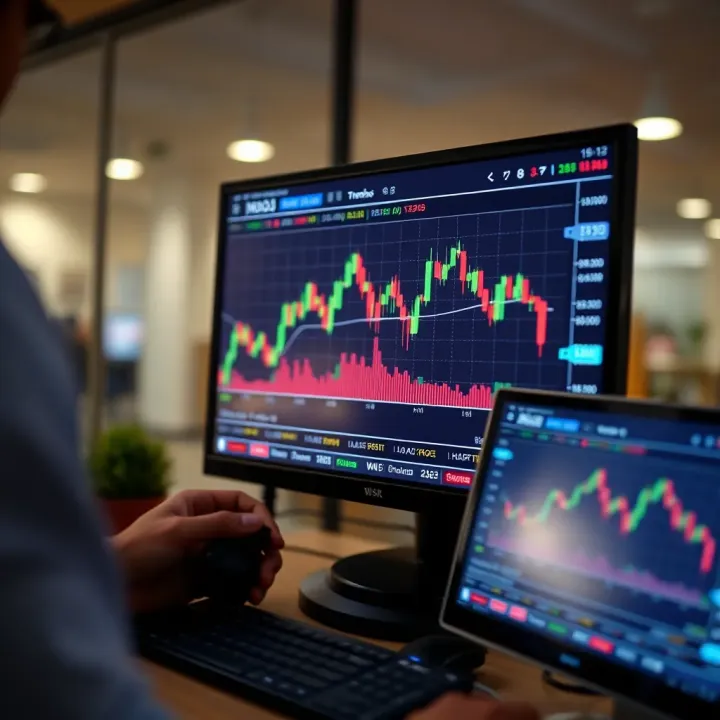
📈 Learn how live paper trading works in India! Practice strategies risk-free using top platforms, avoid pitfalls, and boost your trading skills today.

📈 Discover how free online paper trading platforms help beginners and pros practice trading without risk. Compare features, tips & popular platforms!
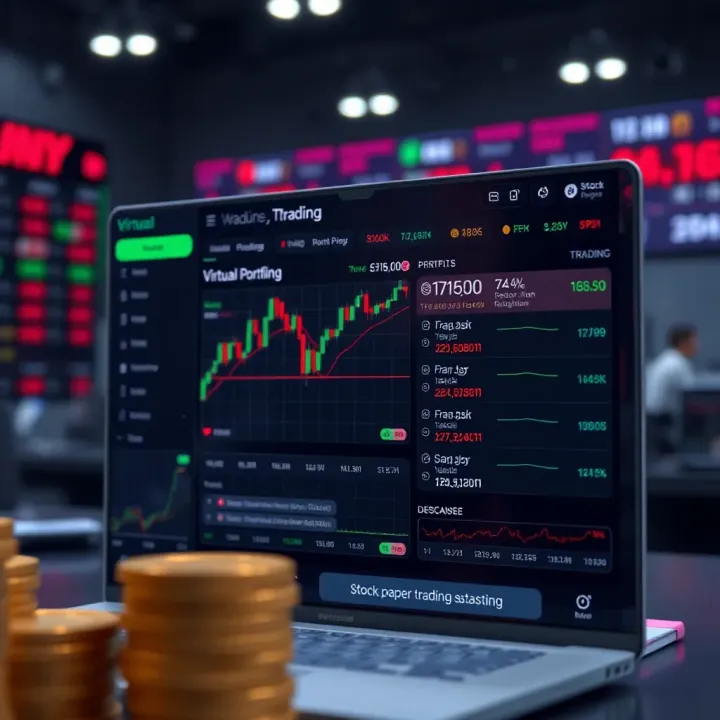
📝 Master stock paper trading in India with this guide! Learn platforms, strategies, and analysis to build skills confidently before real investing. 📊💡
Based on 14 reviews