
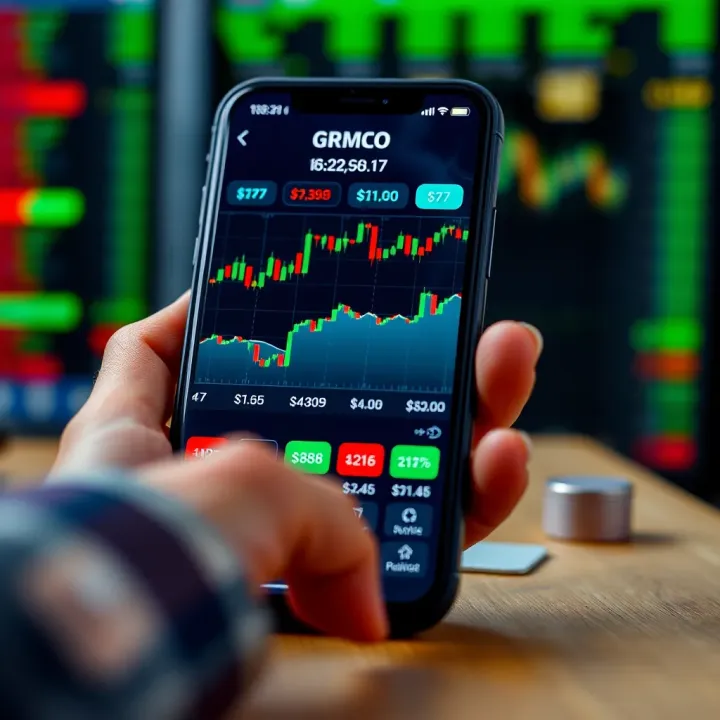
Choosing the Best Demo Trading App for Beginners and Experts
Try demo trading apps 📱 to practise stock, commodity & currency trades without risking ₹, ideal for beginners & experienced traders in India. Learn key features & tips!
Edited By
Sophia Green
Commodity trading has gained significant traction in India, thanks to the digitisation of financial markets and easy access through mobile apps. Whether you are a seasoned trader or someone just starting, choosing the right commodity trading app can make a big difference to your trading experience and profitability.
The market offers many apps, but not all are created equal. Some apps provide extensive research tools, while others focus on low brokerage or user-friendly interfaces specifically designed for beginners. Distinguishing features often include real-time market data, charting options, secure transactions, and seamless customer support.

It's key to focus on apps that cater to the Indian commodities market, covering segments like gold, silver, crude oil, natural gas, and agricultural products such as wheat or soybean. For example, apps like Zerodha Kite and Upstox Pro support commodity trades directly through the National Commodity & Derivatives Exchange (NCDEX) and Multi Commodity Exchange (MCX).
A good commodity trading app should balance ease of use with powerful tools – enabling you to analyse market trends, place orders swiftly, and keep costs low.
Keep in mind, trading costs can make a huge impact on your returns. Look for apps with transparent brokerage charges and minimal hidden fees. Plus, robust security is essential to protect your funds and personal data; multi-factor authentication and encryption standards are a must.
If you are a beginner, apps that offer educational content and demo accounts to practise before investing real money might help build confidence.
Ultimately, the best commodity trading app in India is one that suits your trading style, budget, and technical comfort. This article details the critical factors to consider, compares popular options, and offers setup tips to get you started right from your mobile device.
Selecting the right commodity trading app means looking beyond just basic features. The app must provide a combination of real-time data, ease of use, strong security, and support to ensure trading goes smoothly in India’s dynamic markets.
Real-time price updates are the backbone of efficient commodity trading. Prices for commodities like gold, crude oil, or agricultural products fluctuate constantly during market hours. An app that delivers live updates helps traders act quickly—whether to buy or sell—preventing missed profits or unnecessary losses. For instance, a trader monitoring crude oil futures must know the price swings instantly to respond appropriately.
User-friendly interface simplifies complex trading processes. It's not just about looks but how easily you can navigate charts, place orders, or check balances under pressure. Apps that clutter the screen with too much data or confusing menus can frustrate users and lead to mistakes. A clear, organised layout that works well on both smartphones and tablets matters, particularly for beginners or part-time traders.
Secure payment and authentication systems are critical in a digital trading environment. With increasing cyber threats, reliable encryption and multiple authentication steps protect your funds and personal data. Payment gateways should handle bank transfers smoothly without delays or errors. For example, linking a bank account with two-factor authentication ensures that only you can authorise transactions, reducing chances of fraud.
Comprehensive market analysis tools empower traders to make informed decisions. Features such as historical price charts, technical indicators, and expert market reports within the app help in spotting trends and planning trades. Many popular platforms include customised alerts or educational content to help users stay ahead in volatile conditions.
The availability of support channels like phone, email, live chat, or even WhatsApp is essential. A trader stuck during a critical moment needs quick access to help. Apps that offer 24/7 support or at least cover trading hours in India Standard Time (IST) give users confidence, knowing assistance is easy to reach.
Equally, response time and resolution quality greatly impact user experience. Quick, clear guidance from well-trained agents can prevent costly errors. Some apps maintain FAQ sections, video tutorials, or user communities as additional support, which prove helpful when immediate human help isn't possible.
Adhering to SEBI (Securities and Exchange Board of India) and FMC (Forward Markets Commission) regulations ensures the app operates legally and maintains market fairness. Compliance means the app works with authenticated brokers, follows settlement rules, and protects investors against malpractice.
Finally, data privacy and protection standards safeguard sensitive user information from breaches. Apps compliant with India’s IT Act and employing encryption techniques for data storage and transmission reassure traders that their details, including KYC documents and banking info, are secure.
A commodity trading app that combines these features effectively will stand apart by offering traders a reliable, safe, and user-friendly platform suited for India’s fast-changing commodity markets.
The Indian market offers a growing number of commodity trading apps, providing traders with easy access to gold, silver, crude oil, and agricultural products. Choosing the right app can make a noticeable difference in managing trades efficiently and minimising costs. The best apps combine competitive fees, a range of commodities, and user-friendly tools, letting traders focus on strategies rather than technical hassles.

Trading fees and commissions affect your overall profitability, especially if you trade frequently. Some apps charge a flat fee per trade, while others work on a percentage basis, which might eat into your gains when dealing with high-value contracts. For example, Motilal Oswal's commodity platform tends to have higher brokerage but offers extensive support, whereas Zerodha’s commodity trading charges are relatively lower, appealing to cost-conscious traders.
Available commodities and contracts vary between apps. While most cover standard options like precious metals and crude oil, some platforms also offer access to niche products such as rubber or spices – popular in India’s agricultural exports. PayTM Money and Angel Broking provide a decent variety of contracts for both spot and futures trading, which matters if you want to diversify your portfolio or take advantage of seasonal market trends.
In-app research and educational resources can empower new and seasoned traders alike. Apps like Upstox and ICICI Direct include comprehensive charts, expert market commentary, and learning modules that explain commodity fundamentals and technical analysis. Having such resources within the app helps you make informed decisions without jumping between multiple platforms or relying solely on external websites.
Performance on Android and iOS devices is crucial since many Indian traders use mid-range mobiles or even tablets to trade on the go. Good apps are optimised to work smoothly on varied devices without lag or crashes. For instance, Zerodha’s Kite app is well-known for stable performance on both Android and iOS, offering quick trade execution even under lower bandwidth situations.
App design and navigation ease affect how quickly you can place orders or monitor markets. Clear layouts, intuitive menus, and well-organised data display reduce errors and save time during volatile sessions. Upstox and Angel Broking offer clean interfaces with personalised dashboards, making commodity trading less intimidating for beginners and more efficient for active traders.
Selecting an app with the right mix of features, competitive charges, smooth performance, and easy navigation is key to trading commodities confidently in India’s digital ecosystem.
Starting with a commodity trading app needs more than just downloading it. To trade confidently and securely, you must follow clear steps—setting up your account correctly, understanding the interface, and linking necessary payment options. These initial stages lay the foundation for smooth trading and help avoid delays or errors later.
To open an account on a commodity trading app, you'll need a few key documents ready at hand. Typically, apps require your PAN card for identity verification, Aadhaar card for address proof, and bank account details. These documents help the app comply with regulations set by exchanges and the Securities and Exchange Board of India (SEBI). For example, some apps may also request your cancelled cheque or bank statement to confirm account ownership. The verification process usually happens within a working day but can sometimes take longer if uploads aren’t clear or complete.
Once your documents are submitted, the app will carry out a KYC (Know Your Customer) check. This is mandatory before you can start trading. The process is mostly digital nowadays, without needing a physical visit. Having these documents ready ensures you won’t face interruptions just when markets are volatile.
Linking your bank account is the next key step. Commodity trading requires seamless fund transfers for buying contracts and settling margins. Most apps support instant payment methods like Unified Payments Interface (UPI) and net banking. Linking your savings or current account ensures funds flow automatically when you place orders or receive payouts. For instance, if you use HDFC Bank or ICICI Bank, you can quickly link your account by entering IFSC and account number details, or through integrated UPI apps like PhonePe or Google Pay.
Using reliable payment options helps avoid delays during trading hours. Imagine trying to close a position and the payment fails because your bank details were not linked properly. Preventing such hiccups saves you from unnecessary loss or stress.
A clear grasp of the trading platform is essential before placing orders. Most commodity trading apps offer dashboards where you can view live prices, your portfolio, and market news. When placing orders, you must select the commodity (like gold or crude oil), specify quantity, and choose the order type – market or limit order. Managing trades includes tracking open positions, modifying or closing them, and watching your profit or loss in real-time. For example, if you want to buy 10 grams of silver at the current market price, placing a market order executes immediately, while a limit order waits until your target price hits.
Checking contract details and margins protects you from surprises. Commodity contracts come with expiry dates and require margins—a security deposit held by the exchange to cover risk. The app should display margin requirements clearly for each contract and update them as prices change. This helps you maintain enough funds to avoid margin calls or forced liquidation. For instance, the margin for crude oil might be higher than cotton due to volatility. Understanding these details lets you trade sensibly and manage your risk without overexposure.
Starting with the right setup and interface knowledge makes your commodity trading journey far simpler and reduces pitfalls. Take time to verify carefully, link payment methods correctly, and get comfortable with the app before diving in.
By following these steps you are already ahead—and ready to navigate commodity markets confidently on your phone or tablet.
Trading commodities through mobile apps offers convenience, but practical strategies help you protect your capital and make better decisions. This section focuses on managing risks and staying updated with market developments—skills every trader should sharpen before entering the volatile commodity markets.
Stop-loss orders act as safety nets for traders. Essentially, a stop-loss order instructs the trading app to sell your commodity when its price drops to a certain level. For example, if you bought crude oil at ₹4,500 per barrel, setting a stop-loss at ₹4,300 limits your losses to ₹200 per barrel. This prevents you from watching your investment plunge further during sudden market drops. Most commodity apps allow you to set stop-loss orders easily before placing a trade.
By using stop-losses, you can avoid emotional decisions during fast price changes. It’s a simple tool, but forgetting to set one might lead to heavy losses, especially in unpredictable markets like silver or copper.
Position sizing techniques mean deciding how much money or quantity of the commodity you want to trade per deal. It’s important not to put all your funds into a single trade. For instance, if your trading capital is ₹1 lakh, you might decide to risk only 5%-10% on one position to spread the risk.
This method protects you from losing your entire capital in one go. Apps with portfolio tracking features can help you keep tabs on your exposure across different commodities. Proper position sizing balances your risk and potential reward, letting you stay in the game longer.
Using app alerts and notifications gives you instant updates on price movements, news, and market events affecting commodities. For example, you might receive a push notification when gold prices hit a new high or when government policies impact agricultural products.
Timely alerts help you react fast—whether to book profits, tighten stop-losses, or pause trading. Most top trading apps customise alert settings based on your watchlist and preferences. This keeps you connected without constantly monitoring the market.
Following commodity trends and seasonal cycles is another way to trade smartly. Many Indian commodities like turmeric or cotton show seasonal price patterns due to harvest periods or monsoon impact. Understanding these trends helps you anticipate price rises or falls.
Apps often provide historical data and charts to spot such patterns. For example, buying soyabean futures before the sowing season can be risky, but entering post-harvest might offer better prices. Observing trends alongside market news gives you an edge over random guessing.
Practical risk management and staying informed through your trading app can turn volatile commodity markets from a gamble into a calculated opportunity. Use these tips to build discipline and confidence in your trading.
Trading commodities through apps in India brings convenience but also some wrinkles that novice and even experienced traders face. Understanding common challenges like technical issues and scam risks helps you stay prepared and protect your investment.
Technical glitches can seriously affect your trades, especially during peak hours when prices shift rapidly. A sudden app freeze or slow response could mean missing out on key opportunities or facing unexpected losses. To minimise disruption, it's wise to check your internet connection before trading and close other heavy apps on your mobile to free up resources.
Using a mobile data plan rather than public Wi-Fi can reduce connectivity issues, since public networks often have unstable or slow speeds. Also, trading during the less volatile hours, such as early morning or late afternoon, can help avoid strain on app servers that often happens when many traders are active simultaneously.
The backbone of a smooth trading experience is a stable app infrastructure. Choose commodity trading apps hosted on reliable servers, preferably with data centres within India or nearby regions to reduce latency. Apps that boast features like auto-refresh and backup servers offer smoother performance.
Look for user reviews commenting on app responsiveness during high-volume trading days. For example, apps like Angel Broking and Zerodha are known in India for robust infrastructures that handle millions of trades daily. Avoid apps prone to frequent crashes or downtime, which increases trading risks.
With digital trading's rise, unverified apps promising quick profits have flooded the market. Always verify an app's authenticity before downloading. Check if the app is listed on official platforms like Google Play Store or Apple App Store, and confirm the developer's credentials.
Reading genuine user reviews helps spot any red flags about performance or hidden charges. For instance, if multiple reviews mention unexpected deductions or data security worries, steer clear. Trusted apps typically have transparent policies and good customer feedback.
Scams often lure traders with promises of high returns and zero risk. Be wary of apps that push you to invest large sums quickly or offer unrealistic profit guarantees. Another red flag is lack of proper regulatory information; all Indian commodity trading apps should comply with the Securities and Exchange Board of India (SEBI) and Forward Markets Commission (FMC).
Avoid apps that do not provide clear contact details or customer support. Also, beware of unsolicited calls or messages urging you to trade or invest. Maintain vigilance by cross-checking any unfamiliar app or platform through forums and financial news before committing funds.
Staying alert on technical and security fronts protects your trading capital and helps use commodity trading apps confidently and effectively in the Indian market.
Choosing the right app and managing risks smartly makes your trading journey smoother and safer.
Try demo trading apps 📱 to practise stock, commodity & currency trades without risking ₹, ideal for beginners & experienced traders in India. Learn key features & tips!

Explore top online trading apps in India 📱! Get insights on features, costs, security, and ease of use to pick the best platform for safe investing. 🔒💸

Find the most trustworthy trading app in India 📱🔒. Learn how to pick secure, user-friendly platforms with top options and smart tips for investors.
Discover how to pick the right online stock trading app in India 📱. Learn about key features, benefits, security, and tips to match your trading style.
Based on 10 reviews