
Understanding Candlestick and Chart Patterns
📊 Understand key candlestick and chart patterns to decode price trends in trading. Learn practical tips and examples tailored for India's markets and risk management.
Edited By
Emma Thompson
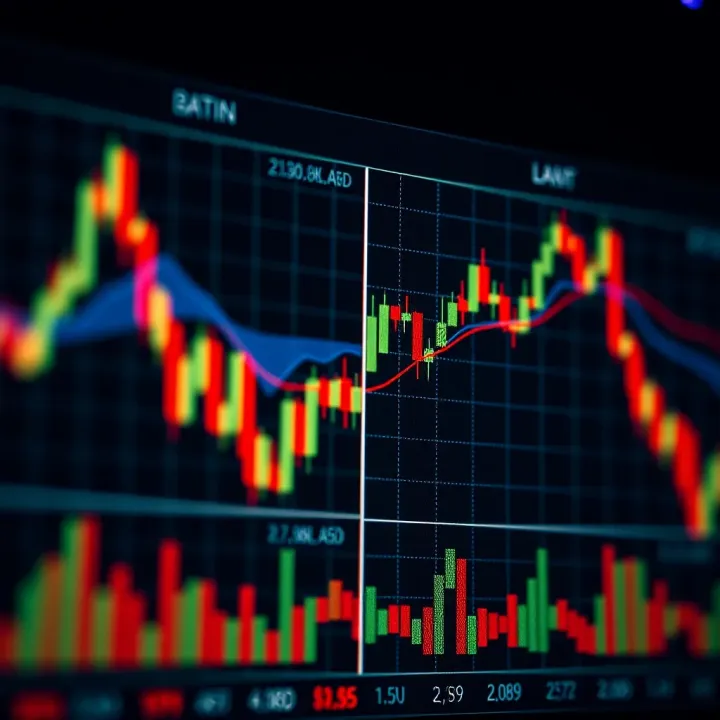
Candlestick charts offer a practical way to understand market sentiment by visually representing price movements over a set period. Each candle on the chart shows four key data points: opening price, closing price, highest price, and lowest price. This visual breakdown helps traders and investors quickly gauge momentum and potential trend reversals.
Unlike simple line charts that only show closing prices, candlestick charts fill the space between open and close, making it easier to spot patterns. For example, a long bullish candle with a small wick signals strong buying interest, whereas a candle with long upper wick but small body indicates selling pressure near the close.
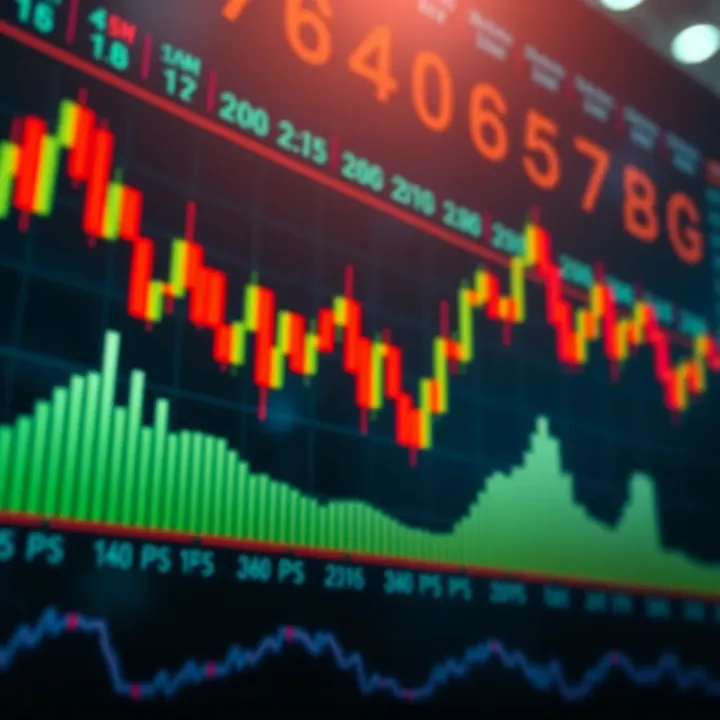
Candlestick patterns provide a direct glimpse into the battle between buyers and sellers, offering clues about future price action.
Candlestick patterns can be as simple as a single candle or as complex as multiple candles forming specific shapes. Recognising popular bullish signals like the hammer or engulfing patterns can help you time entry points better, whereas bearish signals, such as shooting stars or bearish engulfing patterns, warn of potential price drops.
Traders often combine candlestick signals with other tools like support/resistance levels, volume analysis, or moving averages to improve accuracy. In the Indian market, this approach is particularly relevant for stocks listed on exchanges like BSE and NSE, as well as for cryptocurrency trading on platforms like WazirX or CoinDCX.
Understanding these patterns requires practice and observation. Reviewing how certain candles behave around major price zones or during earnings announcements can give sharper insights into market psychology. This knowledge can help you anticipate market moves instead of just reacting to them.
In this article, we will break down key candlestick types, explain their significance, and share tips to apply this knowledge effectively in your trading strategy. Whether you deal with equities, derivatives, or crypto assets, knowing candle chart patterns equips you with an essential technical reading skill to trade confidently and minimise risks.
Candlestick charts are a cornerstone of technical analysis, providing a visual way to track price movements over a specific period. Understanding these charts helps traders and investors interpret market sentiment and make more informed decisions. The structure of each candlestick reveals key price points—the open, close, high, and low—which together outline price behaviour within the chosen timeframe.
Open, Close, High, and Low Prices
Each candlestick represents four crucial data points: the opening price where trading started, the closing price where it ended, and the highest and lowest prices reached during the session. For example, if a stock opens at ₹1,000, reaches a high of ₹1,030, drops to a low of ₹980, and finally closes at ₹1,020, the candlestick encapsulates this full range. These details allow traders to see not just the price direction but also the volatility and intensity of buying or selling.
Body and Shadows (Wicks)
The "body" of the candlestick shows the distance between open and close prices. A long body indicates strong buying or selling pressure, while a short body suggests indecision or consolidation. The thin lines above and below—the "shadows" or "wicks"—represent the extremes beyond opening and closing levels. For instance, a long upper wick signals selling pressure near the session’s high, often hinting at a possible reversal. Conversely, a long lower wick may suggest buyers stepping in after a dip.
Colour Significance: Bullish vs Bearish
Colours quickly signal market sentiment. Traditionally, a green (or white) candlestick means the closing price is higher than the opening price—a bullish indicator showing upward momentum. Conversely, a red (or black) candlestick indicates the price closed lower than it opened, signalling bearish pressure. Traders rely on these colours to quickly assess whether buyers or sellers dominated a session, which helps in spotting potential trends or reversals.
Visual Representation of Price Action
Candlestick charts offer an intuitive picture of price behaviour, combining multiple data points into one symbol. This visual clarity helps traders identify patterns quickly—many of which predict probable market moves. For instance, spotting a hammer candle after a downtrend may suggest a bullish reversal. Without such graphical aids, understanding market momentum would require parsing raw numbers, which is less efficient during fast-moving markets.
Comparison with Other Chart Types
Unlike simple line charts that only plot closing prices or bar charts that present data in a less clear format, candlestick charts deliver detailed price information in a compact way. They show the battle between bulls and bears within each time unit, making them more informative. For traders looking to spot entry or exit points, candlesticks provide a richer context, especially when combined with other technical indicators such as moving averages or volume.
Mastering the basics of candlestick charts helps you read market emotions at a glance. These charts aren’t just pretty visuals—they are practical tools that reveal complex price dynamics efficiently.
By understanding these core components, traders can interpret subtle signals that guide their decisions more confidently, improving timing in buying, selling, or holding assets.
Single-candle patterns provide quick insights into market sentiment and are the building blocks of candlestick analysis. They reveal changes in buying or selling pressure within a trading session, helping traders spot potential reversals or pauses in trend without waiting for multiple candles. Understanding these patterns improves decision-making in fast-moving markets like stocks and cryptocurrencies.
A Doji candle forms when the opening and closing prices are almost identical, signalling indecision among traders. The standard Doji has short wicks on both ends, showing a tug-of-war between bulls and bears with no clear winner. The Dragonfly Doji features a long lower shadow and little to no upper wick, indicating sellers pushed prices down but buyers recovered before closing. Conversely, the Gravestone Doji has a long upper shadow and a close near the low, suggesting buyers pushed prices up but sellers regained control.
Recognising these types helps gauge whether a trend is losing steam or a potential pause is forming. For instance, a Dragonfly Doji after a downtrend may hint at a bullish reversal, especially when volume supports the move.
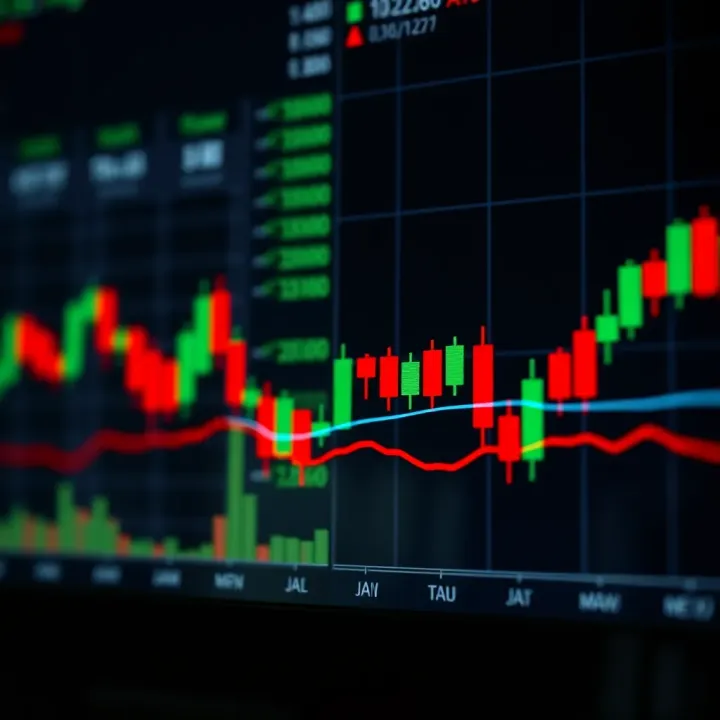
Doji candles warn traders that the market mood is uncertain, so any sudden price shift could fail without confirmation. Given this ambiguity, one single Doji should not trigger a trade immediately. Instead, traders wait for the next candle to confirm direction.
Ignoring this caution often leads to false signals, especially in volatile markets like cryptocurrency. A Doji appearing after a strong trend may sometimes represent a mere pause, not a reversal. Combining Doji interpretation with volume or moving averages adds an extra layer of reliability to trading decisions.
Both patterns feature small bodies near the top of the trading range and long lower shadows—like a hammer’s handle. The Hammer typically appears after a downtrend and suggests buyers fought back selling pressure by the close, hinting at a possible bullish turn. Meanwhile, the Hanging Man shows up following an uptrend, warning that sellers managed to push prices down during trading, which could signal upcoming weakness.
These shapes reflect a tug-of-war: a long lower wick reveals initial selling but a close near the open price highlights buying strength (hammer) or weakening momentum (hanging man).
A hammer at the bottom of a decline signals a potential trend reversal upwards. For instance, if the trading session shows a hammer candle followed by a strong bullish candle, traders might consider entering long positions with tight stop losses.
On the other hand, the hanging man warns that a current uptrend may stall or reverse. Confirmation comes if the next candle closes lower, signaling selling pressure increasing. Hence, traders often look to tighten stops or book profits when spotting hanging man patterns at resistance levels.
Always confirm single-candle patterns with subsequent price action or supporting indicators to avoid jumping into traps, particularly in markets prone to quick swings.
By mastering these single-candle signals, traders can better time entries and exits, managing risk while catching early signs of market shifts.
Multi-candle patterns help identify potential shifts in market sentiment more reliably than single candles. They reflect the tug-of-war between buyers and sellers over time, offering stronger signals for entry or exit decisions. Indian traders and investors often find these patterns useful because they consider more data points, reducing noise and improving the chance of spotting genuine trend reversals or continuations.
Bullish engulfing appears when a small bearish candle is immediately followed by a larger bullish candle that completely covers the previous candle’s body. This pattern suggests buyers are gaining control after a downtrend, often signalling a possible upward reversal. Conversely, a bearish engulfing forms when a small bullish candle is engulfed by a larger bearish candle, indicating sellers are pushing prices down after an uptrend.
These patterns are practical because they pack clear psychology: a sudden surge in buying or selling pressure that can quickly shift momentum. For example, if a stock like Reliance Industries shows a bullish engulfing near support levels, it often hints that buyers are stepping in.
Traders commonly use engulfing patterns to time their entries or exits. After spotting a bullish engulfing, one may consider initiating a long position, especially if confirmed by volume spikes or support from moving averages like the 50-day MA. For exits, bearish engulfing can warn that an uptrend is weakening, suggesting it’s time to book profits or tighten stop-loss orders.
That said, engulfing patterns are best used alongside other technical tools to avoid false signals. For instance, if the broader market trend is down despite a bullish engulfing, it may be wise to stay cautious or wait for additional confirmations.
Morning and evening stars are three-candle patterns that clearly point to trend changes. A morning star starts with a bearish candle, followed by a small candle (the star) that gaps lower, and then a large bullish candle that closes well into the first candle's body. It hints at a bullish reversal after a downtrend.
An evening star is the opposite: a bullish candle, a small star candle gapping higher, and then a bearish candle closing deep into the prior bullish candle. This suggests a bearish reversal after an uptrend.
Since morning and evening stars involve three candles, they provide more confirmation than single points. Traders often wait for the third candle’s close before acting. Confirming volume increase or alignment with support/resistance zones adds reliability.
For example, Tata Motors showing a morning star near a historical support zone might prompt a trader to consider a buy, especially if sectoral news supports a turnaround.
Tweezer tops and bottoms consist of two candles with matching highs or lows. A tweezer top forms when two candles have equal highs during an uptrend, signalling strong resistance and a likely bearish reversal. Conversely, tweezer bottoms appear with equal lows during a downtrend, hinting at support and a potential bullish bounce.
These patterns matter because they highlight price levels where buyers or sellers repeatedly step in, making them useful to set stop-loss or target levels.
Spotting multi-candle patterns like engulfing formations or star patterns gives you a clearer picture of market moves and helps avoid knee-jerk reactions to single candlestick signals.
By combining these patterns with volume analysis and broader trend context, you can increase the accuracy and confidence of your trading decisions.
Applying candlestick patterns within trading strategies boosts a trader's ability to gauge potential price moves. These patterns work best when combined with additional tools that confirm signals, helping to cut through market noise. Practical use of candlestick analysis is not just spotting shapes; it’s about context, confirmation, and managing risk effectively.
Moving averages help smooth out price data and identify the market trend over a set period. Candlestick patterns coupled with moving averages give a clearer picture — for instance, a bullish engulfing pattern appearing near the 50-day moving average can signal a strong potential upward move. This adds weight to the pattern, showing buyers stepping in at a key support level.
Volume plays a vital role here. When a candlestick pattern forms with higher-than-average volume, it suggests stronger conviction among traders. Imagine a hammer candle formed at a downtrend’s end with rising volume; this often reflects genuine interest in reversing the trend rather than a random blip.
Trend analysis adds another layer to candlestick trading. Patterns like morning star or evening star are far more reliable when they appear in line with the broader trend direction. For example, spotting a morning star during an established uptrend points to continued strength rather than reversal.
Conversely, detecting a bearish pattern against a steep downtrend might only signal a temporary pause. Checking the higher time frame trends (daily, weekly charts) alongside candle patterns helps traders understand whether the signal is likely to change the market direction or just provide a minor retracement.
Risk management is essential when trading candlestick signals. Using stop losses protects your capital if the market moves against the expected pattern outcome. Place stops below the low of a bullish reversal pattern or above the high of a bearish signal.
For instance, if you act on a bullish engulfing candle, setting a stop loss just below the engulfing candle’s low limits your downside if the trade fails. This practical step prevents large losses on false breakouts or unexpected market moves.
Candlestick patterns can sometimes mislead, especially in volatile or sideways markets. False signals arise when patterns suggest a reversal or continuation but the price doesn’t follow through.
Avoid this by requiring confirmation—wait for the next candle to close in the predicted direction before acting. Also, avoid relying solely on candle shapes; supporting indicators and prudent position sizing are necessary. For example, a doji candle alone might not mean much, but combined with falling volume and no trend support, it suggests indecision rather than reversal.
Success in candlestick trading depends on smart integration with other analysis methods and sensible risk management. This approach helps traders avoid overtrading and costly mistakes.
By combining candle patterns with moving averages, volume, and trend context, alongside strict stop loss rules, you build a more disciplined and reliable trading strategy.
📊 Understand key candlestick and chart patterns to decode price trends in trading. Learn practical tips and examples tailored for India's markets and risk management.
📈 Explore fresh chart patterns that help traders spot trends faster! Learn practical tips to enhance your trading strategy and anticipate market moves better.

📈 Learn how to spot live chart patterns quickly and use them in real market conditions to make smarter trades. Practical tips for every trader!
📈 Master key trading chart patterns to analyse market moves confidently. Learn how to spot signals and apply them wisely in your trading strategy for better results.
Based on 10 reviews