
Understanding Binary Numbers and Their Uses
💻 Understand binary numbers, how they work, convert between binary & decimal, and explore their practical use in computing and programming today! 🔢
Edited By
Henry Davies
Binary numbers form the backbone of all digital technology, whether it is stock market algorithms, cryptocurrency transactions, or financial data analytics. At its core, a binary number system uses only two digits: 0 and 1. These two states represent off and on signals respectively, making it ideal for computing devices that rely on electrical circuits.
Each binary digit, or bit, holds a positional value based on powers of two. For example, the binary number 1011 translates to decimal by calculating (1×2³) + (0×2²) + (1×2¹) + (1×2⁰), which equals 11 in decimal. This simple yet powerful method allows computers and financial software to process and store complex data efficiently.
Understanding binary numbers is particularly relevant for traders and analysts as it underlies the digital platforms where stock prices, order executions, and blockchain operations take place.
Data Encoding: Financial charts and real-time market feeds are encoded in binary before being visualised on trading terminals.
Cryptographic Security: Cryptocurrency wallets and blockchain networks use binary-based cryptographic algorithms to secure transactions.
Algorithmic Trading: Trading bots operate using binary instructions, executing trades faster than manual processes.
Having a solid grasp of binary basics helps you appreciate how trading platforms process your orders or how digital ledgers maintain integrity in cryptocurrency.
To build on this foundation, upcoming sections will cover how to convert binary numbers to decimal values, perform basic binary arithmetic, and explore real-world applications in digital finance.
This knowledge can improve your understanding of backend operations, enabling better decision-making and technical engagement with financial technology.
Binary numbers are at the heart of modern digital technology. In simple terms, a binary number consists only of two digits—0 and 1. These digits represent the off and on states of electronic components in computers and digital devices. Understanding binary numbers helps to decode how machines process, store, and communicate information.
For anyone involved in financial markets, technology, or cryptocurrency investments, grasping binary fundamentals is valuable. For instance, the way trading algorithms execute commands or how cryptocurrency transactions are validated often rely on binary-based computing principles. This foundation allows better insight into the technology powering such systems.
Binary numbers simplify complex electronic operations by reducing the data to a two-state logic, which increases reliability and speed.
A binary number uses only two symbols: 0 and 1. Each digit in a binary number represents a power of two, starting from the right with 2^0, then 2^1, 2^2, and so on. Unlike the decimal system, which uses digits from 0 to 9, the binary system encodes values based on combinations of just these two digits.
Take the binary number 1011. It equals 1×8 (2^3) + 0×4 (2^2) + 1×2 (2^1) + 1×1 (2^0), which sums up to 11 in decimal. This is how computers translate data into something they can handle — as states of circuits switched on or off.
The binary system's roots trace back to ancient times, with early hints in the Indian scholar Pingala’s work on prosody around 200 BCE, where binary patterns appeared in poetic metres. Later, Gottfried Wilhelm Leibniz in the 17th century formalised the base-two numeral system in the West.
The real breakthrough came in the 20th century with the rise of electronic computing. Engineers such as Claude Shannon applied Boolean algebra to electronic circuits, showing how binary logic underpins digital circuits. This innovation laid the groundwork for modern computers, enabling rapid processing and storage of data in a reliable and efficient way.
Understanding this history reveals why binary remains the simplest and most effective way to represent information digitally, a fact still true for today's advanced computing, including financial technologies and blockchain.
In the next section, we'll explore how the binary number system works in detail, focusing on how digits have place values and what the base-two system means practically.
Grasping the binary number system is key for anyone dealing with digital technology or computing. Unlike our everyday decimal system, which relies on ten digits (0 to 9), the binary system uses just two digits: 0 and 1. This simplicity makes it ideal for electronic devices, including the computers and smartphones that traders or cryptocurrency enthusiasts use daily. Understanding how binary numbers work helps demystify how these devices process, store, and communicate data.
In binary, each digit is called a bit, short for "binary digit." Each bit carries a place value, determined by its position within the number, similar to digits in decimal numbers. However, the place values in binary increase as powers of two rather than ten. For example, in the binary number 1011, from right to left, the bits represent 1 (2^0), 2 (2^1), 0 (2^2), and 8 (2^3). Adding the values of the bits with a 1 gives us 8 + 0 + 2 + 1 = 11 in decimal.
This concept of place value directly impacts how computers interpret binary code. Every '1' or '0' in the right place can mean vastly different data or instructions. Think of it like switches in a circuit: a bit set to 1 switches that electricity 'on,' and 0 means 'off.' This binary on/off system underpins all digital logic and processing.
The binary numbering system follows base-two, meaning it uses two unique digits to represent all numbers. Unlike base-ten, where a carry happens after 9, in base-two, a carry occurs after 1. For instance, counting in binary goes 0, 1, 10, 11, 100, and so forth. Here, '10' in binary equals 2 in decimal, showing how combinations of just two symbols can represent any number.
A practical example is in digital stock trading platforms where every price, volume, or transaction detail is eventually represented in binary form within computer memory. Despite seeming abstract, this base-two system ensures efficient and error-minimised processing of complex financial data.
Binary numbers are fundamental to the operation of any digital tool — from smartphones to high-frequency trading algorithms — making an understanding of their basics essential for anyone navigating modern technology.
Understanding binary digits and the base-two system itself powers knowledge about higher-level concepts such as binary arithmetic and data encoding, which can improve your appreciation of how technology serves your financial decisions and trading operations.
Understanding how to convert between binary and decimal is essential for anyone involved in technology, finance, or even crypto trading. Binary numbers form the backbone of computing systems, yet most people think in decimal, our everyday number system. Bridging this gap helps you interpret data accurately and make informed decisions, whether analysing algorithmic trading patterns or securing blockchain transactions.
Converting a binary number to decimal means translating a sequence of 0s and 1s into the common base-10 number system. Each binary digit, or bit, represents an increasing power of 2, starting from the rightmost bit. To convert, multiply each bit by 2 raised to the power of its position index, then sum these values.
For example, take the binary number 1011. Start from the right:
The rightmost bit is 1, so 1 × 2⁰ = 1
Next is 1, so 1 × 2¹ = 2
Then 0, so 0 × 2² = 0
The leftmost bit is 1, so 1 × 2³ = 8
Add them all: 8 + 0 + 2 + 1 = 11 in decimal. This method helps programmers and analysts translate machine-level data into understandable figures.
Converting decimal numbers into binary involves dividing the decimal number repeatedly by 2 and recording the remainders. The sequence of remainders read backward forms the binary number.
Suppose you want to convert the decimal number 14. Divide 14 by 2:
14 ÷ 2 = 7, remainder 0
7 ÷ 2 = 3, remainder 1
3 ÷ 2 = 1, remainder 1
1 ÷ 2 = 0, remainder 1
Reading the remainders backward gives you 1110, the binary equivalent of 14.
This conversion is crucial when you need to encode or decode information in computing systems, including cryptographic algorithms and network data packets.
Both conversion methods empower you to better understand digital data manipulation, enhancing your grasp of technical tools in trading platforms or blockchain technologies. Practice these conversions regularly, and they’ll soon become second nature.
Binary arithmetic forms the backbone of all digital computations, including financial algorithms and trading systems that traders and investors rely upon. Understanding these basic operations helps demystify how computers process data and perform calculations quickly. Binary operations use only two digits—0 and 1—but they follow rules that enable complex numerical tasks.
Adding binary numbers is straightforward, akin to decimal addition but simpler since only two digits exist. The fundamental rules are:
0 + 0 = 0
0 + 1 = 1
1 + 0 = 1
1 + 1 = 10 (which means carry 1 to the next higher bit)
For instance, adding binary 1011 (decimal 11) and 1101 (decimal 13) involves adding each bit starting from the right:
1011
1101 11000
This equals 24 in decimal. Subtraction works similarly but uses borrowing, just like decimal subtraction. This method is crucial because digital systems, including stock market software, calculate gains, losses, and other metrics using binary arithmetic.

### Multiplication and Division in Binary

Binary multiplication parallels decimal multiplication but is simpler: multiply by 0 yields 0, and multiply by 1 yields the number itself. For example, 101 (decimal 5) multiplied by 11 (decimal 3) is:
101x 11 101 (101 x 1)
1010 (101 x 1 shifted left) 1111
The product is 1111, which is decimal 15.

Division, on the other hand, follows subtraction and shifting principles, similar to long division but in base two. These operations underpin algorithms in banking software, cryptocurrency mining, and real-time trading platforms where speed and accuracy matter.

> Binary arithmetic isn’t just a math exercise—it’s the language that powers modern financial and technological systems. Knowing it offers insight into how digital tools you use daily compute complex calculations behind the scenes.

Understanding binary arithmetic equips traders, investors, and analysts with a clearer picture of the computations influencing algorithm-driven markets. This knowledge strengthens logical thinking and aids in grasping more advanced digital finance concepts such as encryption, data encoding, and algorithmic trading.

## Applications of Binary Numbers in Technology

Binary numbers form the backbone of modern technological systems, particularly in computing and digital electronics. Their simplicity – encoding information using only two symbols, typically 0 and 1 – enables efficient processing, storage, and communication of data. Understanding where and how binary numbers are applied can clarify why they remain central to technology today.

### Role in Computers and Digital Devices

Computers rely entirely on binary to function. Every command, calculation, or operation inside a computer is ultimately reduced to binary code. This is because digital circuits within processors and memory chips operate using two voltage levels representing 0s and 1s. For instance, Central Processing Units (CPUs) perform arithmetic and logic operations by switching transistors on and off, corresponding to the binary system.

Consider a stock trading platform's backend server: whenever it processes transactions or analyses market data, it translates all those decimal numbers into binary at the hardware level. The binary code enables fast computation without errors inherent in more complex numeral systems. Smartphones, ATMs, and even microcontrollers in simple devices like washing machines use binary to handle instructions seamlessly.

### Binary in Data Storage and Communication

Binary is essential not only for processing but also for storing and transmitting data. Hard drives, solid-state drives, and memory cards save data in binary form, encoding files as long sequences of bits. This encoding supports everything from storing your financial records to cryptocurrency wallets securely.

Communication systems similarly depend on binary coding. When you send a message via WhatsApp or perform online banking, your data is broken down into binary packets for sending over networks such as the internet or telecom infrastructure. These packets carry binary signals that routers and switches decode and forward accurately.

> Binary’s strength lies in its universality and resilience. The simplicity of two states reduces the chance of error during transmission or processing, which is why it makes encoding dependable and fast across diverse platforms.

In essence, binary numbers enable the precise and reliable functioning of almost all digital technology you interact with daily, including financial markets’ software tools and platforms you use for investing or trading. Recognising this connection helps grasp how fundamental the binary system is to technological progress and innovation.

## Current Relevance and Future of Binary Systems

Binary numbers form the bedrock of modern computing. Despite advancements in technology, this simple system still governs how computers process data. Its clear, two-state logic — represented by 0s and 1s — fits perfectly with the electronic on/off nature of digital circuits. This alignment makes calculations and data handling efficient, reliable, and cost-effective for devices from smartphones to servers.

### Why Binary Remains the Foundation of Computing

The binary system's continued dominance comes down to practical factors. Firstly, it reduces hardware complexity. Digital circuits require only two voltage levels, which cuts down on error rates caused by signal interference. This robustness proves vital in environments like data centres, stock exchanges, or crypto trading platforms, where precision matters.

Also, programming languages and machine instructions use binary to dictate operations. Consider how trading algorithms in platforms like Zerodha or Upstox execute thousands of decisions per second—all based on binary logic beneath the user interface. Binary’s simplicity enables faster processing speeds and easier debugging, which traders and financial analysts rely on for real-time decision-making.

### Trends Beyond Binary in Computing?

While binary is still king, researchers are exploring alternatives to push limits further. Quantum computing, for instance, uses quantum bits or qubits, which can represent 0, 1, or both states simultaneously through superposition. This ability promises to tackle complex problems like market simulations or cryptographic analysis faster than classical binary computers.

Another area is ternary computing, involving three-valued logic instead of two. Though not mainstream yet, ternary systems could increase data density and computational efficiency. However, widespread adoption faces challenges, including redesigning hardware and software infrastructures.

> For now, binary remains the most practical and understood system. But as technology evolves, especially in sectors like AI-driven trading or blockchain, hybrid and quantum solutions might slowly integrate alongside binary to boost performance.

In summary, while the foundation of current computing rests solidly on binary, developments in quantum and multivalued logics show promise for the future. Traders, investors, and analysts should keep an eye on these shifts, as they might influence the speed and security of trading technologies in the years to come.💻 Understand binary numbers, how they work, convert between binary & decimal, and explore their practical use in computing and programming today! 🔢
🔢 Understand binary numbers: explore how they differ from decimal, learn conversion, arithmetic, and real-life tech uses. A clear guide for those with basic maths & computing.
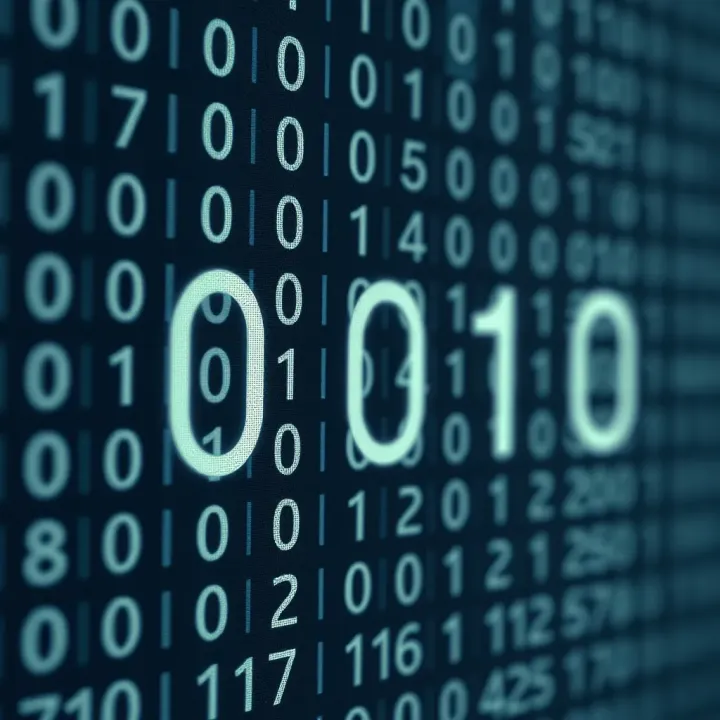
Explore how numbers are represented in binary codes, conversion techniques between decimal and binary, and their role in digital computing and electronics 💻📊.

Learn how numbers are represented in binary form 🧮, convert between decimal and binary, understand negative number coding, and explore their role in digital electronics & programming.
Based on 6 reviews