
Understanding Binary Numbers and Their Uses
💻 Understand binary numbers, how they work, convert between binary & decimal, and explore their practical use in computing and programming today! 🔢
Edited By
Isabella Foster
Binary language translators serve as the vital link between complex digital signals and human-readable information. At their core, these tools convert strings of binary digits—0s and 1s—into understandable text, commands, or data formats. For traders, investors, and analysts working with sophisticated digital systems or encrypted market information, understanding how these translators operate can enhance both data interpretation and decision-making.
Binary code forms the backbone of all digital communication, storing everything from financial transactions to algorithmic trading instructions. Translators decode this binary data by mapping each set of bits to its corresponding character, instruction, or value. For example, the ASCII (American Standard Code for Information Interchange) system represents characters like letters and numbers using 7-bit codes; a binary string like 01000001 translates to the letter ‘A’.
Understanding binary translators helps professionals verify data integrity and troubleshoot signal errors that can affect real-time stock market feeds or cryptocurrency transaction logs.
Common types of binary language translators include:
Software-based converters: Applications that automatically read binary files and display their decoded content. Example: Hex editors convert binary data into hexadecimal and ASCII formats for analysis.
Embedded microcontrollers: Hardware in devices that interpret binary instructions to control operations, such as executing trading algorithms on local servers.
Online translation tools: Web-based utilities offering quick binary-to-text conversion for small data snippets.
Practical applications in finance stretch beyond simple text conversion. Binary translators enable decoding encrypted communication, parsing digital signatures, and analysing raw market feed data. For instance, high-frequency trading systems depend on precise binary message parsing to execute orders within milliseconds.
Grasping the basics of how these translators function provides an edge in managing digital information security and ensures you avoid costly errors due to misinterpreted data. As digital platforms keep evolving, so will the sophistication of translation tools, demanding continuous learning for those involved in data-driven trading and investment strategies.
Binary digits, or bits, are the simplest form of data representation in computers. A bit can only be 0 or 1, symbolising an off or on electric signal respectively. This binary system forms the backbone of all digital computing, as it allows machines to represent complex information through combinations of zeros and ones. For example, the number 5 is represented in binary as 101, a sequence that computers use internally for calculations.
Beyond numbers, binary also encodes text and instructions for computers. Every character on your screen, each line of code running your favourite apps, boils down to binary patterns. Standards like ASCII and Unicode assign specific binary codes to text characters, enabling digital devices to display languages worldwide. Instructions within software translate to binary commands that hardware understands, directing processes from running a trade algorithm to sending you a notification.
Binary’s role goes far beyond calculations; it’s embedded in the digital devices we depend on daily. Smartphones, ATMs, stock trading platforms, and even online cryptocurrency wallets function because they process and interpret binary data. These devices convert user inputs into binary instructions and decode binary outputs back into information users can comprehend. Without this fundamental layer, the seamless interaction we expect from technology wouldn’t be possible.
Decoding binary into human-readable formats helps programmers and analysts troubleshoot and understand machine-level data. For instance, when a trading platform throws an error, viewing raw binary logs can reveal issues at the hardware or system level that aren’t obvious in the user interface. Translators convert these binary logs into text, making it easier to spot faults or suspicious activities, especially vital in financial systems where seconds and accuracy matter.
Analysing binary files and system logs is crucial in security audits and data recovery. Binary translators help convert unreadable machine outputs into meaningful reports, enabling analysts to inspect transaction histories or detect anomalies in trading systems. This process becomes invaluable in forensic investigations where recovering data from corrupted files or compromised devices can uncover fraudulent activities.
Besides practical uses, learning binary translation skills supports digital literacy and programming education. Understanding how binary encodes information offers traders and analysts deeper insights into how their tools function beneath the surface. Practising binary-to-text conversions can aid in grasping fundamental computer science concepts, empowering users to make better-informed decisions in technology-driven finance environments.
Translating binary code into readable formats bridges the gap between raw machine data and human understanding, enhancing diagnostics, security, and education across digital platforms.
Understanding how binary language translators operate is key for anyone dealing with digital data, especially traders, investors, or financial analysts who handle raw data streams or machine-generated reports. These translators take the basic zeros and ones—the binary code—and transform them into human-readable formats, enabling you to interpret complex information without delving into machine language itself. This process involves specific methods and tools that decode binary text and instructions, which prove indispensable when examining system logs or custom data formats.
ASCII and Unicode encoding standards are the backbone of converting binary data into readable text. ASCII (American Standard Code for Information Interchange) uses 7 or 8 bits to represent English letters, digits, and common symbols. For example, the letter 'A' in binary is 01000001 in ASCII, which many binary translators recognise for basic text conversion. However, ASCII’s limitation lies in its inability to represent characters from non-English languages or special symbols widely used in Indian languages or currency symbols.
Unicode overcomes this by standardising a much larger set of characters using multiple bytes for every symbol, accommodating Hindi, Tamil, and more. Translators that support Unicode can convert binary data into a wider array of scripts, which matters if you're decoding international financial reports or software outputs containing regional language content or symbols like ₹.
Plain binary conversion into decimal or hexadecimal is another common method. This approach is especially useful for interpreting raw data points like transaction values or memory addresses. For instance, ₹5 lakh encoded in binary may translate into a hexadecimal number representing an account balance in a bank's backend system. Hexadecimal serves as a shorthand for long binary strings, making it easier for programmers and analysts to handle large datasets without losing accuracy.

Interpreting control and format codes is vital when binary streams include non-text data such as instructions or delimiters. Control codes are special binary sequences acting like traffic signals, saying when to start or stop reading data, insert breaks, or apply formatting. Consider a stock exchange data feed where control codes mark the beginning of a new trade record or signal an error in transmission. Without correctly decoding these, the translator might misread the data, leading to incorrect financial analysis.
Software scripts and online converters form the most accessible tools for binary translation. These often run through programming languages like Python or JavaScript where simple scripts read binary inputs and output readable text or numbers. For traders and analysts, ready-to-use online tools can quickly decode binary logs received from proprietary trading software or custom APIs, saving time and reducing errors during urgent market reviews.
Lookup tables and parsing techniques form the algorithmic backbone behind these translators. Lookup tables map binary sequences directly to corresponding characters or commands, speeding up translation. Parsing breaks down complex binary strings into manageable chunks for analysis. For example, parsing might help identify transaction types or user actions embedded in a binary message from a financial app.
Custom translators matter when handling specialised data formats unique to certain applications or industries. A cryptocurrency exchange may use proprietary binary codes for transaction details, requiring dedicated software capable of interpreting these. Developing custom translators ensures precision when general tools fall short, especially critical for compliance checks, fraud detection, or audit trails.
Efficient binary language translators rest on a blend of established encoding standards, precise algorithms, and tailored tools that convert raw digital codes into actionable insights. For professionals parsing market data, these translators are vital tools in their analytical arsenal.
Binary language translators play a significant role across various fields where digital data must be understood or manipulated. Their practical applications extend beyond mere conversion, enabling professionals to decode complex information embedded in binary form. This section looks at key areas where these tools matter most.
Understanding compiled code outputs is crucial for developers working with low-level programming or troubleshooting applications. After source code is compiled, it often converts into binary machine code, which is not human-readable. Binary translators help developers interpret this output, making it easier to analyse how instructions are executed by the processor. For instance, when optimising performance or hunting down bugs, seeing the binary behind the scenes gives insights unavailable through high-level code alone.
Troubleshooting system errors through binary logs is another practical use. Modern operating systems and embedded devices often log errors in binary formats due to their compactness and speed. Translators convert these logs into a readable format so engineers can identify system faults quickly. In cases like server crashes or device malfunctions, accessing binary logs decoded into understandable text accelerates diagnosis and restoration, reducing downtime.
Teaching digital literacy and coding basics benefits hugely from binary translators. Students new to computing often find the concept of binary intimidating. Translators serve as practical tools for demonstrating how digital devices interpret data, converting abstract binary sequences into familiar text or numbers. This hands-on approach builds a solid foundation in understanding how computers process information.
Practising binary-to-text exercises helps learners sharpen their coding and decoding skills. Exercises involving manual or tool-assisted binary translation reinforce knowledge of encoding standards like ASCII and Unicode. For example, a computer science student might convert a binary string representing a message to its readable form repeatedly, reinforcing the link between bits and characters. Such practice builds confidence before moving on to more complex programming concepts.
Interpreting corrupted files is a critical aspect where binary translators come in handy. When file headers or metadata get damaged, standard software might fail to open the file. Translators enable experts to peek inside the raw binary data to identify recoverable segments. This can be lifesaving when restoring vital documents or databases after incidents like hard drive failure.
Extracting important information from raw binary data is equally vital in forensic investigations. Specialists analyse binary dumps from devices or network captures to uncover hidden or deleted information. For example, in cybercrime investigations, translating binary artefacts helps reconstruct user activities or decode encrypted messages. This ability to transform raw binary into actionable insights proves indispensable in maintaining data integrity and security.
Practical use of binary language translators extends from aiding a software engineer in debugging to helping a forensic analyst uncover crucial evidence, highlighting their versatile role in today's digital environment.
In short, binary translators serve as essential bridges between the opaque world of machine code and human understanding, supporting a wide range of applications with both practical and educational utility.
Access to binary language translators plays a pivotal role in demystifying digital data quickly and efficiently. For traders, investors, and technical analysts dealing with complex data formats, choosing the right tool ensures not just accuracy but also speed when decoding binary information embedded in software outputs, logs, or blockchain transactions. Various options cater to different needs—from quick web-based converters to full-featured software and programming libraries that allow customised automation.
Many online binary translators are freely accessible in India, serving as convenient resources for immediate conversions. Popular websites like RapidTables, BinaryHexConverter, and OnlineConversion provide simple interfaces where users input binary numbers and receive text or decimal equivalents instantly. These sites work well for traders who need to verify binary values derived from algorithmic cross-checks or blockchain transaction feeds without installing any software.
The appeal of online tools lies in their simplicity—no installation, platform independence, and quick turnaround. However, they often come with limits: large file support is rare, and data confidentiality can become a concern when sensitive financial information is involved. Moreover, online tools typically rely on standard encoding schemes like ASCII or UTF-8 and might struggle with proprietary or compressed binary formats used in specialised financial applications.
Desktop and mobile applications offer more robustness for frequent or complex binary translation tasks. For example, software like CharTr, HxD (hex editor), and Synalyze It! support detailed analysis of binary files, allowing traders to decode embedded metadata or recover corrupt data segments. These apps often include features like batch conversions and support for multiple encoding standards, helping analysts deal with extensive datasets or repetitive processing.
For those comfortable with coding, programming libraries open the door to custom binary translators tailored to specific financial data formats. Python libraries like binascii or bitstring enable precise control over the parsing and conversion process, which is essential when dealing with complex market data protocols. JavaScript libraries such as binary-parser assist web-based applications in interpreting binary data received from APIs or embedded devices. Using these libraries, developers can integrate binary translation directly into trading platforms or analytics dashboards, automating routine conversions and ensuring consistency.
Choosing the right binary translation option depends on your specific requirements—whether it's quick decoding via online tools or a deeper, custom integration using programming libraries and dedicated software. Each has its place in the workflow of financial professionals handling digital code.
In summary, Indian users benefit from a mix of accessible online converters for quick checks and more powerful software or code libraries for handling large-scale or customized binary data translation. Understanding these options helps traders and analysts streamline their data processes and maintain competitive advantage in digital markets.
Translating binary data into readable formats isn't as straightforward as it sounds. Several challenges can creep in, affecting the accuracy and clarity of the translation. Addressing these challenges matters a lot, especially if you're dealing with critical applications like system debugging, data forensics, or interpreting encrypted communication. Understanding potential pitfalls and adopting best practices ensures you get reliable results without wastage of time.
Binary code represents data through specific encoding standards, like ASCII or Unicode. A mismatch occurs when the source binary is encoded in one standard, but the translator assumes another. Imagine you have a binary file encoded in UTF-16 but run it through a tool set for ASCII; the output will be gibberish or misleading characters. Financial analysts working with exported data logs from trading platforms could find numbers displayed incorrectly, causing incorrect interpretations.
This mismatch may not always be obvious upfront, resulting in silent errors that affect subsequent analysis. So, confirming the original encoding before translation saves unnecessary troubleshooting later. For example, some stock exchange data feeds might use specific character sets based on localisation — ignoring this leads to reading errors.
In many practical cases, binary data isn't perfect—files may be partly corrupted or truncated due to transmission errors or system crashes. Translators must recognise such issues and either flag errors or attempt partial decoding.
Suppose an investment report's binary file got damaged during upload; a translator that blindly processes the input may return inaccurate financial figures. The best approach is to implement error detection methods like checksums before translation or use tools that highlight incomplete data segments. This lets users decide whether to trust the output or seek a fresh copy.
Always start by confirming the encoding scheme of your binary data. If you downloaded raw binary logs from a server or received binary data from a trading bot, check the documentation or metadata for the encoding used. This step is critical to avoid misinterpretation and save time.
In the Indian financial context, certain platforms like the National Stock Exchange (NSE) provide data in specific encodings. Using verified encodings ensures your translations of price feeds or order book snapshots are precise and trustworthy.
Choose binary translators that recognise and support common encoding standards such as ASCII, UTF-8, UTF-16, and others. Tools supporting multiple formats help when working with diverse data sources without the need for extra conversions.
Applications like Notepad++ or online hex editors often allow you to select encoding types before translating, offering flexibility. In programming, libraries like Python's codecs support various encoding schemes, making it easier to automate conversions accurately.
When you convert binary data, cross-checking the output enhances reliability. Translating binary to decimal or hexadecimal and then verifying against known values or expected ranges can spot errors early.
For instance, suppose you're analysing transaction amounts represented in binary; converting these numbers to decimal and comparing them to documented values helps catch mistranslations. This practice is especially useful in trading algorithms or crypto wallet addresses where even a small error can have costly consequences.
Consistently checking your work ensures accurate translation and avoids costly data mistakes, particularly when dealing with sensitive financial or investment information.
Adopting these best practices helps maintain data integrity while decoding binary code, making your work with digital information more dependable and efficient.
💻 Understand binary numbers, how they work, convert between binary & decimal, and explore their practical use in computing and programming today! 🔢
Explore how binary numbers work, with clear steps for decimal-binary conversion, arithmetic basics, and their role in computing 💻 and electronics ⚙️.
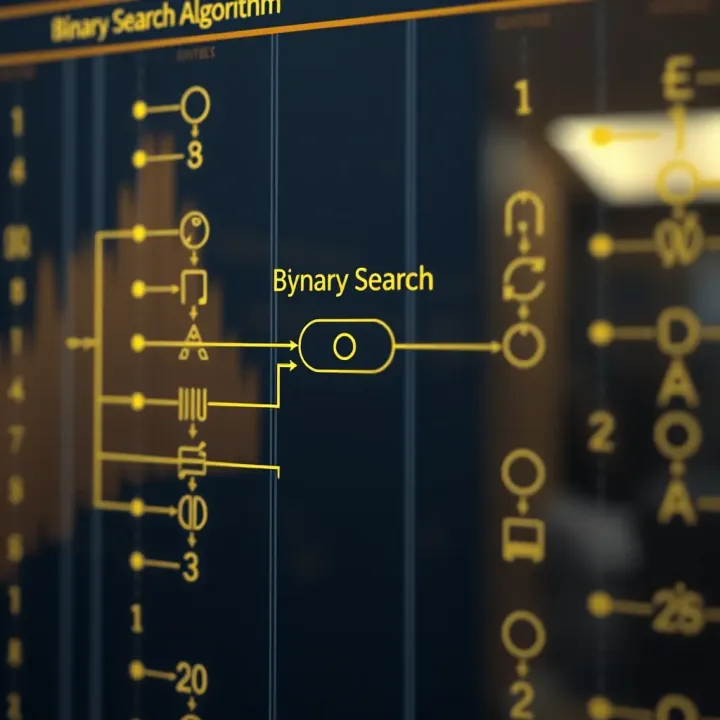
🔍 Explore how the optimal binary search technique improves search efficiency, solves common challenges, and offers practical tips for better algorithm performance.
Explore how octal to binary encoders simplify digital circuits 🔢. Learn their role, truth table, and see practical examples for clear understanding.
Based on 13 reviews