

Guide to Money Trading Apps in India
Explore India's top money trading apps 💰 with insights on features, security 🔒, regulations 📜 & beginner tips to pick the best fit for you.
Edited By
James Carter
In recent years, mobile trading apps have become a game-changer in India's investing world. With the rise of smartphones and affordable internet, more people than ever are tapping into the stock market directly from their pockets. But not all trading apps are created equal, and understanding their features, security, and usability is key if you want to make the most of your investments.
Why does this matter? Well, the Indian market is bustling with options, from traditional stockbrokers adapting their platforms to newer players like Zerodha’s Kite or Upstox Pro. Each app brings different perks and challenges, and picking the right one can save you time and money.
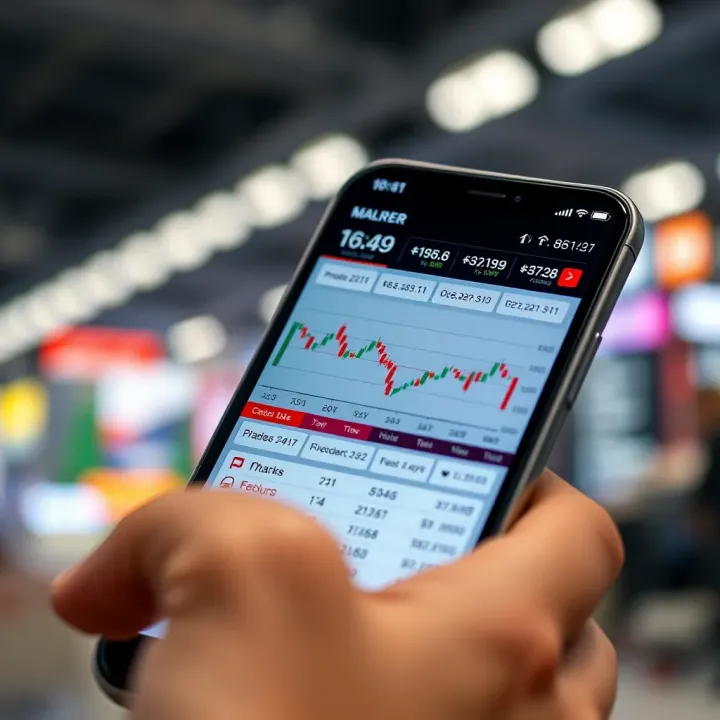
This guide digs into what makes these mobile trading apps tick. We'll look at how they operate, the benefits and risks, and which apps stand out in 2024. Whether you're a seasoned trader juggling multiple portfolios or just starting out on your investment path, these insights aim to help you trade smarter and more securely.
Trading is no longer confined to office desktops. Your phone can be your trading desk, but only if you know which tools to trust.
In the sections ahead, expect to find:
A breakdown of essential features every trader should look for
Security practices that protect your hard-earned money
Reviews of popular mobile trading apps in India
Tips and tricks to optimize your trading experience
Stick around, and let’s make this digital trading world a little less intimidating and a lot more profitable.
Mobile trading apps have reshaped how people in India buy and sell stocks, allowing even a college student or a daily wage worker to jump into the market from their smartphone. This section sets the stage by highlighting why these apps matter and what benefits they bring to the table.
Trading no longer demands sitting glued to a computer screen or being tied to a broker’s office. Mobile apps make it possible to catch price movements, place orders, and manage portfolios anytime, anywhere. For example, a farmer in a remote village can keep tabs on the Sensex or Nifty and act instantly when an opportunity arises — all from the handset in his pocket.
Understanding this overview is key because it provides a foundation before diving deeper into how these apps function, their features, and security aspects. The mobile trading revolution in India is also a story of financial inclusion, tech adoption, and shifting habits among investors and traders alike.
Simply put, mobile trading apps are software applications designed for smartphones and tablets that let users trade financial assets like stocks, commodities, mutual funds, and sometimes cryptocurrencies. Their main purpose is to make trading accessible, fast, and convenient without needing a desktop.
These apps pack the essential tools — market data, charts, order books — right into your palm, so you can monitor, analyze, and execute trades on the go. They work as a bridge between stock exchanges and individual traders, streamlining the entire process.
Practical: Imagine you're watching a cricket match and suddenly hear news that might affect markets. Instead of waiting till you return home, a mobile trading app lets you check instantly and react if needed, thereby not missing out on crucial moves.
India has seen a staggering surge in mobile trading over the past decade. What kicked it off? Several factors: widespread smartphone penetration, affordable data plans (thanks to providers like Jio), and the regulatory push for digitization.
In 2015, mobile trading accounted for a small slice of the market, but by 2023, apps like Zerodha Kite, Upstox, and Angel Broking saw millions logging in daily.
To put this growth in perspective, the Securities and Exchange Board of India (SEBI) reported a sharp increase in retail investor participation driven largely by mobile platforms. This trend reflects not just new investors entering but experienced traders preferring apps over traditional channels.
The mobile trading wave has lowered entry barriers, making investing less intimidating and more inclusive.
Mobile trading apps sync instantly with stock exchanges like NSE and BSE, providing real-time streaming prices and live charts. This immediate access is essential because in markets, seconds can mean the difference between profit and loss.
Thanks to technologies like WebSocket APIs and efficient backend servers, users get price updates without delay. For example, Zerodha Kite provides tick-by-tick data allowing traders to spot quick intraday opportunities.
So rather than relying on delayed quotes from newspapers or TV, mobile apps keep you plugged into what's happening every minute.
Once you decide to buy or sell, mobile apps simplify order submission. You select the stock, enter quantity, choose order type (market, limit, stop-loss), and hit ‘buy’ or ‘sell.’ The app then routes your order to exchange servers via your broker’s system.
Execution speed varies based on internet connectivity and the broker's infrastructure but is usually near-instantaneous. This quick turnaround is vital for traders looking to capitalize on price movements. For instance, intraday traders often use limit orders to buy at a target price rather than the current market rate.
Modern apps also allow modification or cancellation of pending orders right from the interface, which offers greater control.
Several technologies work behind the scenes:
Cloud computing: Brokers use cloud servers to manage large volumes of data and transactions smoothly.
End-to-end encryption: Protects sensitive user data and transaction details from interception.
APIs (Application Programming Interfaces): Enable seamless communication between apps and stock exchanges.
Push notifications: Deliver timely alerts about price changes, executed trades, margin calls, or news.
Without these technologies working together, the responsiveness and security that traders expect wouldn't be possible.
In short, mobile trading apps are a fine mix of advanced tech and user-centric design, making stock market participation easier, faster, and safer for millions across India.
Choosing the right mobile trading app often boils down to the features it offers. Popular apps distinguish themselves by blending usability, advanced tools, and strong security—all essentials for traders and investors in today's fast-paced markets. In India, where mobile trading has surged, these features ensure that users can make quick decisions, execute trades efficiently, and feel secure while doing so.
A smooth, intuitive interface is the backbone of any good trading app. If navigating the app feels like deciphering hieroglyphics, traders risk missing critical moments.
Ease of navigation means users can jump from watching live market updates to placing orders within seconds, without fumbling through confusing menus. For example, Zerodha Kite offers a simple home screen where key functions like market watch, orders, and funds are just a tap away. This reduces the learning curve, especially for beginners who aren't tech-savvy.
Customizable dashboards elevate the experience further. Apps such as Upstox Pro allow users to tailor their screens, choosing which widgets show stock prices, charts, or news feeds. This flexibility means a day trader can prioritize real-time data, while a long-term investor might keep a close eye on portfolio performance instead.
Robust tools set apart casual investors from seasoned traders. The ability to analyze trends and data quickly is paramount.
Charting and technical indicators provide the groundwork for analyzing price movements. Apps like Angel Broking integrate multiple chart types—candlestick, line, area—and offer indicators such as RSI, MACD, and Bollinger Bands. These tools allow users to make informed decisions instead of shooting in the dark.
Research and news integration is another vital feature. Real-time news feeds and expert reports embedded inside the app save users the hassle of jumping between platforms. For instance, the Moneycontrol app integrates news directly with stock insights, helping traders stay up-to-date on events that could impact the market immediately.
Trust is key when handling your money digitally. Good apps understand this and fortify user safety accordingly.
Encryption and data protection ensure that sensitive information like passwords and transaction details aren’t vulnerable to hackers. Most reputable apps use 256-bit SSL encryption—same as banks—which scrambles data so only authorized parties can read it.
Authentication protocols add an extra layer of security. Two-factor authentication (2FA) is now standard, requiring users to confirm their identity via OTPs or biometric features like fingerprint or face recognition. This approach prevents easy access in case your login credentials get leaked or stolen.
Selecting a mobile trading app with strong security and user-friendly features isn't a mere convenience—it’s a necessity. Your investment decisions and funds are on the line, and the right app bridges safety with efficiency.
Together, these key features create an environment that supports confident, quick, and secure trading on the go. For anyone trading in Indian markets, understanding the capabilities of popular apps helps in choosing one that fits your style and needs perfectly.
When picking a mobile trading app in India, knowing which platforms grab the most attention can make a huge difference. Popular apps often come with tried-and-tested features, better support, and a large community of users to lean on. But more than just numbers, these apps reflect what traders value most—be it speed, ease of use, or depth of features. Understanding the leaders in the market helps traders align their choice with their goals, bringing convenience and efficiency to their trading game.
Zerodha Kite has emerged as a firm favorite among Indian traders, largely due to its sleek interface and fast order execution. The app supports a wide range of instruments, including equities, commodities, and currencies, making it a one-stop solution for many retail investors. What sets Kite apart is its light-weight design, which ensures smooth running even on modest phones. The integration of advanced charts, indicators, and easy fund transfers means users can react quickly to market moves without hassle. If you're looking for reliability paired with strong analytics, Zerodha Kite is hard to beat.
Upstox Pro appeals to traders who appreciate a blend of power and simplicity. It's loaded with technical analysis tools and broad market data, suitable both for beginners and seasoned traders. A notable feature is the ability to handle multiple orders and watchlists efficiently, something active traders find invaluable. Upstox also offers a robust desktop experience syncing well with the mobile app, so you’re not confined to one device. For investors who want to dig deep into charts and news right on their phones, Upstox Pro delivers with solid performance and reasonable charges.
Angel Broking’s app caters to users seeking an all-around trading and investment experience with expert guidance. Alongside the standard trading facilities, it offers personalized advisory services and educational content that can help novices avoid common pitfalls. The app boasts a straightforward process for account opening, backed by secure transactions and real-time market updates. For traders who want a touch of expert insight right in their pocket, Angel Broking’s app provides a competitive edge by simplifying complicated market data into digestible advice.
Brokerage fees are often the deal-breaker when selecting a mobile trading app. Zerodha’s flat fee of ₹20 or 0.03% per executed order (whichever is lower) has set a benchmark for low-cost trading. Upstox follows a similar pattern, offering zero brokerage on equity delivery and flat fees on intraday and F&O. Angel Broking combines both flat fees and percentage-based pricing depending on the segment. Always consider your trading frequency and volume since small fees can quickly add up for active traders.
Some apps, like Zerodha, have no mandatory minimum deposit, which is great for newcomers testing the waters. Upstox also requires no minimum balance, making it accessible for casual investors. Angel Broking sometimes asks for a nominal minimum balance depending on the account type. This flexibility means you can start small without feeling locked in, especially if capital is a concern.
Beyond just trading, these apps offer valuable extras. Zerodha has launched features like smallcases (curated baskets of stocks) and direct mutual fund investments, making diversification easier. Upstox provides advanced API access for those keen on algorithmic trading, giving a technical edge. Angel Broking emerged with voice-based trading commands and AI-based recommendations, tailoring the experience to today’s tech-savvy users. Such extras can turn a basic trading app into a full-fledged investment companion.
Choosing a mobile trading app isn't just about picking the most popular name—it's about matching features, costs, and services with your own trading habits and needs. The best app is the one that fits your style, keeps things simple, and helps you trade smartly.
Trading through mobile apps has changed the game for investors and traders in India. The flexibility and speed these apps provide can't be overlooked, especially in a fast-moving market environment. Whether you're a seasoned analyst or just getting started with stockbroking, mobile trading brings tangible benefits that cater to every level of experience.
One of the biggest perks of using mobile trading apps is the ability to trade during market hours from anywhere. Unlike traditional desktop trading, mobile apps let you check live market prices, place orders, and track your portfolio while traveling or away from your desk. For example, a trader commuting by train can monitor price dips in real-time and make quick decisions, preventing missed opportunities. This flexibility is vital since market conditions can change rapidly, and acting on your hunch fast might be the difference between profit and loss.
Mobile trading apps typically send instant alerts on price movements, market news, and order executions. This feature keeps traders connected to important market developments as they unfold, without having to constantly check the app manually. For instance, receiving a prompt about a sudden drop in a stock price allows you to react swiftly, whether by placing a stop-loss or buying at a bargain. These updates help you stay informed and nimble, which is essential when the market moves faster than a ticker tape.
Several mobile trading platforms in India, such as Zerodha and Upstox, have disrupted traditional brokerage models by offering significantly lower fees. This cost efficiency can make a noticeable difference, especially for small or frequent traders. By saving on brokerage, you keep more of your investment returns. It's a win-win – less overhead and more flexibility to experiment with trading strategies without breaking the bank.
Gone are the days when opening a trading account meant trips to brokerage offices and piles of paperwork. Today’s mobile trading apps offer streamlined KYC verification and account setup processes that you can complete in minutes, right from your phone. For example, Angel Broking enables you to upload documents like your PAN card and Aadhaar, and get your account activated without stepping out. This convenience lowers the barriers to entry and encourages more people to explore stock markets without hassle.
Mobile trading apps provide a blend of instant access, cost savings, and user-friendly features that make trading available to a wider range of users. Understanding these advantages can help you choose the right platform to match your trading style and goals.
By providing access on the move and cutting down costs, these apps empower Indian traders to stay competitive and agile in a constantly evolving market environment.
Mobile trading apps have certainly made investing more accessible, but they’re not without their pitfalls. Understanding the challenges and risks involved can prevent unwanted surprises and help traders navigate the market more confidently. Let's break down the key concerns, from technical glitches to security threats, and see how they affect your trading experience.
One of the most common headaches traders encounter is app crashes and downtime. Imagine you’re about to seize a sudden price dip in Reliance Industries, but your app just freezes or logs you out. It’s frustrating and could mean missing out on prime trading opportunities. Many popular apps like Zerodha Kite or Upstox Pro have had occasional outages during high market volatility, usually due to server stress or software glitches. Traders should check app stability reviews and have a backup plan, such as keeping access to the desktop platform or calling their broker if things go south.
Closely tied to this is the problem of dependence on internet speed. Mobile trading apps thrive on real-time data and rapid order execution; a slow or unstable internet connection can easily cause delays or errors when placing trades. For example, patchy Wi-Fi or a spotty 4G signal in suburban or rural areas of India can scramble your orders or disconnect you at crucial moments. To combat this, it's wise to use reliable mobile networks or have a secondary internet source handy. Some apps even offer offline modes for portfolio monitoring but obviously, live trading remains impacted.
Phishing and hacking risks can't be overlooked when you're dealing with financial assets via a mobile device. In recent years, cases have popped up where fraudsters send fake SMS or emails pretending to be from brokers like Angel Broking, tricking users into revealing login credentials. Mobile apps can be vulnerable if users ignore essential security protocols. Using strong, unique passwords and enabling two-factor authentication (2FA) are critical steps. Additionally, keeping the trading app updated ensures you benefit from the latest security patches.
Recognizing and avoiding scams is another big challenge. Not every shiny trading app in the market is legit. There's a surge of fraudulent applications promising high returns or zero fees but exist only to fatten scammers' pockets. For instance, fake apps mimicking Zerodha or Upstox interfaces have occasionally surfaced on unofficial app stores. Always download apps from trusted sources like Google Play Store or Apple App Store and verify the broker’s registration with SEBI. Be wary of unsolicited calls or messages offering "inside tips" or guaranteed profits — most of these end badly.
Staying alert and proactive about these challenges can save traders from losing money and effort. Mobile trading apps must be tools that empower you, not sources of risk.
You should always have a sensible approach: keep your apps updated, choose strong network connectivity, be vigilant against phishing, and verify the authenticity of platforms before investing. That way, mobile trading becomes not just convenient but also safer and more reliable in India’s fast-growing market.
Picking the right mobile trading app isn’t just about flashy features or the latest tech; it boils down to matching the app with your personal trading habits and goals. With so many options out there, understanding what you really need makes a world of difference. The right app makes trading less stressful and more productive, saving you time and money.
Frequency and style of trading
Think about how often you plan to trade. Are you the type who checks the market multiple times a day, or someone who prefers a long-term “buy and hold” approach? Day traders need apps with quick order execution and real-time data feeds, like Zerodha Kite or Upstox Pro, that won't keep you waiting during a crucial moment. Meanwhile, casual investors might value research reports and educational content more than lightning-fast trade placement.
Asset classes supported
Not all apps are built equal when it comes to the variety of investment options. Some apps focus mainly on equities and derivatives, while others also support mutual funds, bonds, ETFs, and even commodities. If you’re into broader diversification, platforms like Angel Broking offer multiple asset classes in one spot. It’s important to pick an app supporting the assets you’re interested in to avoid juggling multiple platforms.
Comparison of fee structures
Brokerage fees can eat into your profits faster than you realise. Some apps charge per trade, while others offer zero brokerage but might have hidden fees like annual maintenance charges or expensive withdrawal costs. For example, Zerodha has a flat Rs 20 or 0.03% per executed order, whichever is lower. Evaluate how these fees stack up against your trading volume and style. High-frequency traders should focus on low per-trade costs, while occasional traders may benefit from apps with minimal fixed fees.
App features aligned with your strategy
Your choice should reflect what helps your trading style. If you rely heavily on technical analysis, an app like Upstox Pro with advanced charting and indicators is beneficial. For those who prefer automated or algorithmic trading, it’s worth checking if the app supports API access or bots. Features like customizable alerts, integrated research, or portfolio tracking tools can also enhance your experience. Make a checklist of the features you can’t live without before making your pick.
Choosing the right mobile trading app is about fit, not fame. Focus on what suits your trading habits and offers transparency in costs and capabilities.
Taking the time to align your app with how you trade and what you want to achieve can turn mobile trading into a smoother, more rewarding ride.
Getting started with mobile trading apps marks the gateway to the dynamic world of investing in India. As markets become more accessible through smartphones, it’s crucial to understand the basics before diving in. This phase isn’t just about opening an account; it’s about setting a solid foundation that can protect your investments while offering convenience and clarity.
Mobile trading apps simplify the process but require users to be familiar with key steps like setting up and verifying your account and understanding how to place trades. For instance, if someone jumps straight into trading without knowing how to navigate the app’s order options or the necessary verification steps, they might face delays or misunderstandings that could cost money or valuable time.
Practical benefits here include quicker access to market opportunities, streamlined processes for investing in stocks or commodities, and a user-friendly experience tailored to individual trading goals. Getting started right ensures you’re equipped to make the most out of emerging market trends and features these apps constantly roll out.
When opening a mobile trading account in India, you’ll need to submit a few mandatory documents that confirm your identity and address. Essential paperwork includes your PAN card, Aadhar card, a recent photograph, and proof of address such as electricity bills, passport, or bank statements. Many brokers also require a cancelled cheque or bank statement to link your bank account for seamless fund transfers.
These documents are vital because they help the brokerage comply with SEBI (Securities and Exchange Board of India) regulations and anti-money laundering laws. Without proper documentation, you simply can’t start trading. For example, Zerodha or Upstox won’t let you trade simply by signing up—you need to complete KYC (Know Your Customer) procedures first, which these documents enable.
The process of opening your account typically starts with downloading the trading app—like Angel Broking or Groww—and registering your mobile number. Next, you fill in personal details such as your name, date of birth, and email address.
The app will then guide you through uploading the required documents for KYC verification. Some apps use instant Aadhaar OTP verification or video KYC, which means you might just need to complete a quick video call confirmation session instead of visiting a branch.
Once your details are verified, you will link your bank account for fund transfers. After that, your trading account along with a demat account is activated, and you receive trading credentials via email or SMS. This seamless process can take anywhere from a few hours to a couple of days depending on the broker.
Being methodical during setup reduces errors and makes it easier to use the trading platform without hitches. It’s a good idea to double-check every detail during registration to avoid common mistakes like misspellings or wrong bank details.
Once your account is ready, the first step is choosing what to buy. Most mobile apps support a range of investment instruments from stocks and mutual funds to commodities and ETFs. It’s important to select assets aligned with your risk appetite and investment plan.
For example, if you’re new and cautious, you might start with well-known blue-chip stocks like Reliance Industries or HDFC Bank, which tend to be less volatile. More advanced traders might explore derivatives or intraday trading options available on platforms like Upstox Pro.
Good trading apps provide real-time data, allowing you to analyze stock performance and historical trends. You can easily search for a company or instrument by name or symbol, check its current price and decide whether it fits your strategy before placing an order.
Understanding order types helps you trade smartly and protect your investments. Mobile trading apps commonly offer several types of orders:
Market Order: Buys or sells immediately at the current market price. Use this when speed is crucial.
Limit Order: Sets the price at which you want to buy or sell. The order executes only if the market hits that price.
Stop Loss Order: Automatically sells a security if its price drops to a specified level, helping to minimize losses.
Cover Order: Combines a market order with a stop loss, allowing traders to limit losses in intraday trading.
For example, if you want to buy Tata Motors shares, but only at ₹350, place a limit order at that price. The app will execute the trade only when the stock price falls to ₹350 or lower.
By understanding these order types, you avoid common pitfalls such as overpaying for shares or leaving positions open to sudden market dips. Most Indian mobile trading apps accompanied by clear explanations and tutorials on these order types which is a great starting point for beginners.
Starting with mobile trading apps in India doesn’t have to be overwhelming. By getting your documents in order, following the setup steps, and learning how to place the right orders, you lay the groundwork for a more confident trading experience. With apps like Zerodha Kite, Angel Broking, and Upstox streamlining these processes, jumping into stock markets is just a few taps away.
Mobile trading can be exciting but tricky if you don't keep a steady hand on the wheel. In India, where the market moves fast and apps offer endless features, knowing a few solid strategies can make a big difference. Staying effective means more than just clicking "buy" or "sell." It’s about using the tools wisely, keeping track of the market pulse, and managing your risks smartly. These tips can help you avoid common pitfalls and trade with a bit more confidence.
One of the biggest advantages of mobile trading apps is their ability to keep you in the loop in real time.
Most popular apps like Zerodha Kite and Angel Broking provide customizable alerts for price changes, news updates, and market trends. These alerts act like a trading buddy tapping you on the shoulder—letting you know when something important happens, whether it’s a sudden market dip or corporate news that could impact stock prices. By setting alerts tailored to your portfolio or watchlist, you can react faster than if you were glued only to desktop platforms or newspapers.
Staying on top of timely news and alerts can prevent missed opportunities and help you jump on sudden market moves.
Keeping an eye on India-specific economic indicators such as the RBI’s repo rate decisions, inflation numbers (CPI and WPI), and industrial production data gives you a broader understanding of why markets behave the way they do. Apps sometimes integrate these data points right into the dashboard or news feed sections. For instance, knowing an anticipated hike in interest rates might signal a good time to be cautious with loan-heavy sectors or banking stocks. This kind of info helps you plug your trading decisions into the bigger economic picture.
Trading without managing your risk is like driving blindfolded; it’s just a matter of when not if you hit a bump. Mobile apps provide easy-to-use features for controlling potential losses.
A stop loss order automatically sells your stock when it falls to a certain price, limiting your downside. Setting this up in apps like Upstox Pro is straightforward and protects you from sudden market slumps or emotional decisions. For example, if you buy a stock at ₹150, setting a stop loss at ₹135 means your loss won’t exceed ₹15 per share, no matter what the market does afterward. Similarly, limit orders ensure you don’t pay more than a price you’re comfortable with when buying.
Don’t put all your money eggs in one basket—it's a rule that still stands strong in Indian markets. Mobile trading apps allow you to spread investments across various sectors like IT, FMCG, banking, and also different asset classes like stocks, ETFs, and mutual funds. This way, if one sector tanks, your entire portfolio doesn’t sink. For example, when the tech sector took a hit during a global slowdown, diversified investors who also held some defensive stocks or bonds felt less pain.
Risk management tools are built into apps to help you protect your capital, so take full advantage of them rather than relying on guesswork.
Using these tips in your daily mobile trading routine doesn’t just keep you safe—it can improve your decision-making and returns over time, making the often-chaotic market a bit more manageable. Beats trading blindly, doesn’t it?
Understanding the regulatory landscape around mobile trading apps is no small matter, especially in India where the market is evolving fast. This environment ensures traders and investors stay protected, which ultimately builds trust in digital trading platforms. Given how sensitive investing money is, compliance with regulations reduces the risk of fraud and manipulation.
Regulations cover everything from how apps handle your money and data, to how trading is executed and monitored. This not only safeguards users but also promotes transparency among brokers and trading operators. For anyone using mobile trading apps, knowing these rules can help avoid pitfalls and make informed decisions with peace of mind.
SEBI, or the Securities and Exchange Board of India, takes the center stage in regulating trading activities, especially through mobile apps. It's like the watchdog making sure no one plays dirty in the stock markets by enforcing rules designed to protect individual investors.
Key aspects include ensuring fair pricing, preventing insider trading, and requiring brokers to maintain certain standards. For example, SEBI mandates timely settlement of trades and clear disclosures about risks involved. This protection means you’re less likely to lose money unfairly or fall prey to misleading promotions.
For practical application, always check if your trading app is SEBI-registered; it’s an important seal of authenticity that your money and trades are being handled according to strict standards.
SEBI requires mobile trading apps to comply with a range of operational standards. This includes maintaining adequate data security, having proper grievance redressal mechanisms, and transparent brokerage fee disclosures. It also demands regular audits to confirm apps are not engaging in manipulative practices.
Apps like Zerodha and Angel Broking regularly update their platforms to stay aligned with SEBI’s ever-evolving regulations. As a user, watch out for this compliance; if an app isn’t transparent about its regulatory adherence, that’s a red flag telling you to reconsider.
Know Your Customer (KYC) rules are the gateway to legitimate trading in India. They help authentication and prevent fraudulent accounts. Mobile trading apps require submitting documents like PAN card, Aadhaar, and proof of address to comply with these rules.
This isn’t just bureaucratic red tape — KYC protects you too. It reduces the chance of your account being misused and ensures that only genuine investors can trade. The introduction of e-KYC has made the process simpler and faster, cutting down on unnecessary waits.
Trading apps deal with lots of sensitive info, from personal details to financial assets. Protecting this data is critical — a breach can spell disaster for users. To tackle this, popular apps implement encryption protocols and secure servers to keep data under tight wraps.
For example, many apps use HTTPS and multi-factor authentication, which adds a second layer of security beyond just passwords. Leading platforms also adopt practices like regular security audits and real-time threat detection to stay ahead of hackers.
Remember: No app can guarantee 100% security, so keep your login credentials private and enable all available security features.
Together, SEBI’s regulations and data privacy safeguards form a protective shield around mobile trading, helping India's investors trade confidently. Having this knowledge helps you choose apps wisely and trade more securely in today’s digital age.
Mobile trading in India is evolving quickly, and keeping up with what's on the horizon is key for traders and investors who want to stay ahead. Understanding future trends helps users anticipate changes, adapt strategies, and make better use of the trading platforms they rely on daily. Two areas capturing significant attention are the integration of AI and automation and the broadening of investment options. These developments promise to make trading more efficient and accessible, reshaping the way users interact with markets.
Algorithmic trading is no longer the exclusive domain of big institutions; it's making waves in mobile trading apps in India too. This technology allows trades to be executed automatically based on pre-set conditions. For example, if a stock hits a target price or shows a particular pattern on the charts, the algorithm executes buy or sell orders without delay. This removes emotional bias and speed barriers, giving regular traders a competitive edge.
Apps like Zerodha Kite have started incorporating these features, allowing users to create or customize simple algorithms. The practical benefit? It helps traders who can't monitor the markets round-the-clock but want to capitalize on timing. Users must, however, understand the strategies behind these algorithms to avoid blind following that could lead to losses.
AI’s role in delivering tailored content means trading apps now suggest investments and strategies based on individual user behavior and portfolio performance. Imagine receiving trading ideas that consider your risk appetite, past trades, and current market trends. This personalization makes your trading experience smarter without you having to comb through endless data.
Upstox, for instance, uses machine learning to personalize news feeds, highlight relevant stocks, and even warn about potential risks. These recommendations are practical because they reduce information overload, helping you focus on what truly matters to your trading goals. Nevertheless, it's wise to use these suggestions as guidance rather than gospel.
Traditional stocks and bonds are no longer the full story. Mobile trading platforms in India are increasingly supporting new asset classes like cryptocurrencies, fractional shares, commodities, and even international equities. This expansion allows traders to diversify easily without hopping between multiple apps or platforms.
Angel Broking, for example, has begun offering cryptocurrency trading alongside classic equity options, meeting the demand from a new generation of investors curious about digital assets. Diversification across asset classes in one app streamlines portfolio management and opens avenues to explore different market cycles.
Today's trader almost never sticks to just one device. Cross-platform trading means you can start a portfolio analysis on your desktop, place orders from your phone, and check updates on your tablet seamlessly. Many apps are working on syncing user experience and data across devices, improving reliability and convenience.
This also extends to integrating trading with banking and payment apps, making fund transfers faster and reducing friction in the trading process. For example, Zerodha’s ecosystem integrates with various payment gateways to ensure smooth transaction flow.
Staying updated with these technological and market expansions ensures Indian traders can exploit new opportunities and manage risks better. Future-ready apps will combine smart automation with broader investment choices to deliver richer trading experiences.
In short, the future of mobile trading in India loops in smart automation and more flexible options, helping users trade smarter rather than just harder. As these trends become mainstream, traders and investors must stay informed and adapt to real advantages these tech-forward, user-centric platforms offer.
Explore India's top money trading apps 💰 with insights on features, security 🔒, regulations 📜 & beginner tips to pick the best fit for you.
📈 Explore legal trading apps in India! Learn how to pick safe platforms, understand regulations, and trade smart within the law. Stay informed & secure! 🇮🇳

Explore top online trading apps in India 📱. Learn key features, security tips 🔒, and how beginners can trade smartly in financial markets.

Discover the top trading apps in India 📱, their features, fees, security, and what suits beginners and pros. Make smart choices with our detailed guide! 💹
Based on 10 reviews