
Intraday Trading in India: A Practical Beginner's Guide
🌟 Learn intraday trading in India with our practical guide! Understand key strategies, risk management, tools, and avoid common mistakes for success. 📈
Edited By
Liam Bennett
Intraday trading, often called day trading, involves buying and selling financial instruments within the same trading day. In India, this practice has gained popularity due to the rapid pace of market movements and the availability of digital trading platforms. However, jumping in without a clear understanding can lead to costly mistakes.
This article aims to cut through the noise and give you a straightforward guide to intraday trading. We'll break down the essentials—from the basics, such as opening and closing positions on the same day, to more advanced concepts like risk management and strategy development. Our focus is on providing practical advice tailored to the Indian stock market environment.
Whether you're a beginner wanting to get a grip on how intraday trading works or someone looking for sharper strategies, this article serves as a solid stepping stone.
Along the way, we’ll highlight common pitfalls, share real examples specific to NSE and BSE, and introduce tools popular among Indian traders like Zerodha Kite and Upstox Pro. Understanding these elements can help you trade more confidently and avoid unnecessary losses.
Let’s dive in and get a clear picture of what drives intraday trading, what you’ll need, and how to position yourself for smarter decision-making throughout the trading day.
Grasping the fundamentals of intraday trading is the cornerstone for anyone thinking of putting hard-earned money into the stock market within a single trading session. It’s a hustle where positions are taken and squared off on the same day, making it essential to understand what’s at stake and how to play smart.
Knowing the basics helps you avoid common pitfalls like holding onto losing trades overnight or chasing the market blindly. For example, if you jump into intraday trading without knowing the difference between a market order and a limit order, you might end up buying at prices much higher than intended. Understanding these details is not just about learning theory; it’s about protecting your capital and making informed decisions that can build profits steadily.
Intraday trading is buying and selling financial instruments—most often stocks—within the same trading day. No positions are carried overnight, which means all trades are completed before the market closes, typically in a few hours. This approach capitalizes on small price movements throughout the day, often relying on technical analysis and quick decisions.
For instance, a trader might buy shares of Reliance Industries at 10:15 AM and sell them by 2:30 PM the same day to book a profit—no exposure to overnight risks like company announcements or global events that could affect prices when the market reopens.
Unlike swing trading or long-term investing, which hold assets for several days to months, intraday trading focuses on immediate price fluctuations. This strategy requires a different mindset: speed and precision take priority, while fundamentals like a company’s quarterly earnings or long-term growth forecast matter less for day-to-day trades.
Whereas an investor might buy Tata Motors stock expecting it to grow over years, an intraday trader aims to take advantage of a price gap between market open and close. The holding time is short, and the moves are smaller, meaning profits per trade are often modest but can add up with volume and consistency.
The Indian stock market is open from 9:15 AM to 3:30 PM IST, with pre-open sessions starting at 9:00 AM to help set the tone for the day. These fixed hours provide a consistent window for intraday traders to plan their moves.
For example, many traders prefer to act within the first hour of the market opening, when volumes and volatility are typically higher, providing more opportunities for quick gains. Likewise, the last hour before closing is often active, as traders adjust or square off positions.
India’s markets are tightly regulated by the Securities and Exchange Board of India (SEBI), which aims to ensure transparency, prevent manipulation, and protect investors—critical factors in intraday trading where timing and trust matter.
SEBI's rules include margin requirements, circuit breakers to limit extreme volatility, and strict penalties for insider trading. These measures create a relatively safe environment to trade during the day but also require traders to follow compliance to avoid penalties.
Understanding the trading hours and regulatory framework is essential for intraday traders to navigate the market safely and effectively.
By knowing when the market operates and what rules are in place, traders in India can better plan their strategies, avoid surprises, and improve their chances of success in the fast-moving world of intraday trading.
Starting off with intraday trading in India requires you to lay down a strong foundation. This involves practical steps that help you not only get your foot in the door but also build a trading approach suited to the local markets. Considering India's unique regulatory framework, trading hours, and available financial products, it’s essential to set up correctly from day one.
By focusing on the basics—opening the right accounts and understanding key terms—you reduce costly mistakes and pave the way for a smoother trading experience. For example, picking a broker who understands intraday dynamics in India can mean better access to margin facilities and sharper real-time data, both crucial for quick trades.
Selecting a broker is like choosing your trading partner — they need to be trustworthy, efficient, and suit your style. In India, popular brokers like Zerodha, Upstox, and Angel Broking offer competitive brokerage plans, with Zerodha being a pioneer in low-cost trading.
You want to look for these key traits:
Fast execution: Intraday traders rely on split-second decisions. A sluggish platform can blow your chances.
Transparent charges: Watch out for hidden fees—some brokers charge for data feeds or transaction taxes that can eat into your profits.
Good customer support: When the market's moving fast, last-minute help is a lifesaver.
Access to margin: Brokers offering decent intraday margins help you take larger positions, which is essential if you want to make meaningful profits on smaller price moves.
Take, for example, Upstox. They provide up to 20x margin on intraday trades for select stocks, letting you amplify your capital. But remember, more margin also means more risk, so use it wisely.
Once you've zeroed in on a broker, setting up your trading and demat account is next. You'll need:
KYC documents: PAN card, Aadhaar, bank statement, and a cancelled cheque are usually required to comply with regulatory norms.
Digital signatures: Most brokers facilitate paperless account opening through e-signatures and online verifications, making it smoother than a decade ago.
Trading platform familiarization: Practice using the broker's app or desktop platform. Features like placing market, limit, and stop-loss orders need to be second nature before you dive into live trades.
Getting this right means your funds are secure, and you won’t hit unnecessary delays when markets open. Setting up a demat account is crucial since it holds your shares electronically, avoiding the hassle of physical certificates.
In intraday trading, margin and leverage play a big role because they let you control bigger stocks than the capital you actually have. Think of margin as a deposit or security that the broker requires to lend you extra buying power.
Margin: The amount you put down for a trade.
Leverage: How much bigger your trade is compared to your margin.
For instance, if you have ₹10,000 in your account and your broker offers 10x leverage, you can trade ₹1,00,000 worth of stock.
But here’s the catch: while leverage can multiply profits, it also amplifies losses, sometimes leading to losses beyond your invested capital in extreme cases.
Keep this in mind: Never go all in with maximum leverage until you understand the risks well and have a solid money management plan.
Knowing your order types helps avoid confusion and unintended trades. Here are the common ones you’ll use every day:
Market Order: Buys or sells immediately at the current best price. Quick but not guaranteed at a specific price.
Limit Order: You set the price you want to buy or sell at, and the order executes only if the market hits that price.
Stop Loss Order: Automatically sells your position when the price falls to a predetermined level, protecting you from bigger losses.
Cover Order: A market order placed with a compulsory stop loss, limiting risk but locking you into immediate execution.
Imagine you bought shares at ₹500, and you want to limit your loss. Setting a stop loss order at ₹490 means your shares will sell once the price reaches ₹490, protecting you from a downhill spiral.
Mastering these basics gives you confidence and control, which are priceless in the fast-moving arena of intraday trading.
In intraday trading, having a clear strategy is not just a nice-to-have, it's essential for survival. The stock market's rapid pace means traders must make split-second decisions backed by sound methods to turn a profit or at least limit losses. This section breaks down the main strategies commonly used by intraday traders who want to stay ahead. These approaches help traders read the market’s micro-movements and act accordingly. Whether you’re trading in NSE or BSE stocks, understanding these methods can sharpen your edge and improve your chances of success.

Momentum trading revolves around catching stocks that are moving strongly in one direction and riding that wave until it slows. This technique thrives on the idea that a stock that’s climbing quickly tends to keep climbing for a short period.
Spotting price trends is at the heart of momentum trading. It's about observing whether a stock is consistently making higher highs and higher lows (in an uptrend) or lower highs and lower lows (in a downtrend). For example, Tata Motors might start gaining strength after positive quarterly results. As its price forms a chain of higher lows, it signals building momentum. This pattern suggests more buyers are stepping in, so intraday traders jump in to catch quick gains.
Using volume as a signal complements price trends perfectly. Volume acts like the fuel behind the price move. If a stock's price is surging but volume is low, the move may be weak and short-lived. Conversely, huge volumes during a price rise indicate strong interest and validate the trend. Say Reliance Industries sees a surge in volume alongside its stock price during a market rally; that’s a green light for momentum traders to act confidently.
Remember, ignoring volume can lead you down a risky path where price moves are driven by a few trades, not genuine market sentiment.
Scalping is like the quick sprint of intraday trading. It's all about grabbing small profits repeatedly throughout the trading session. Scalpers hold positions for minutes—sometimes seconds—and jump in and out as soon as they spot small price movements.
How scalping works is straightforward but demands intense focus. A trader might buy shares of Infosys as soon as the price dips a bit and sell the same shares moments later for a tiny gain. Doing this repeatedly with tight stop losses minimizes risk while stacking up these small profits.
Best market conditions for scalping usually involve high liquidity and volatility. Stocks that are heavily traded, like HDFC Bank or ICICI Bank, provide narrow bid-ask spreads which make scalping viable. Calm markets with little price fluctuation are no friend to scalpers; the opportunities simply aren't there. Instead, scalping shines when markets are buzzing with activity and price jumps happen often.
Breakout trading focuses on moments when a stock price crosses a key barrier, signaling the start of a potential significant move. Traders watch support and resistance levels closely since breaks there can indicate big opportunities.
Identifying support and resistance levels means spotting the price points where a stock has historically stopped moving lower (support) or higher (resistance). For example, consider Maruti Suzuki struggling to break above ₹8,000 repeatedly – that’s a resistance level. A breakout above ₹8,000 with heavy volume can be a trigger to buy, anticipating further rises.
Timing the entry in breakout trading is critical. Jumping in too early might lead to losses if the breakout turns out to be false (a fakeout). Waiting for confirmation, like a close above resistance on good volume, helps reduce risk. For instance, a trader watching SBI stock might hold until it closes above ₹530 with increased volume before actually placing their trade.
Breakouts can offer big rewards but also carry risk. Close attention to volume and price action is your best friend here.
To sum up, mastering these strategies gives you a toolbox to tackle intraday markets more confidently. Momentum trading helps catch ongoing trends, scalping profits off quick moves, and breakout trading capitalizes on fresh price surges. Applying them wisely and suited to your comfort with risk will push your intraday trading skills forward.
When it comes to intraday trading, having the right tools and indicators is like carrying the right gear to climb a mountain—you won’t get very far without them. These tools help traders slice through the noise, spot opportunities, and make decisions faster. In the fast-paced environment of the Indian stock market, relying solely on gut feeling can be risky. Instead, a well-chosen set of indicators provides a clearer picture of market momentum, potential reversals, and overall trend strength.
Using technical indicators effectively can turn a scatter of price movements into a story that’s easier to read and act upon. Whether you’re a scalper looking for tiny quick profits or a momentum trader needing to confirm trend direction, these tools serve as your eyes and ears. Let’s dive into the key indicators that every intraday trader should have up their sleeve.
Moving averages smooth out price fluctuations, helping traders identify the underlying trend. Think of it this way: if a stock’s price were a bumpy ride, the moving average is like a road laid underneath making the path clearer. The simple moving average (SMA) and exponential moving average (EMA) are most common, with EMA giving more weight to recent prices—handy for intraday traders wanting to catch shifts quicker.
For example, if Nifty 50 crosses above its 20-period EMA on a 15-minute chart, it might indicate a bullish move beginning. Many traders use crossovers—like when short-term MA crosses above a long-term one—as entry or exit signals. But beware of false signals in choppy markets, so it's wise to combine moving averages with other indicators.
The RSI measures how fast and how far prices have moved recently, on a scale of 0 to 100. An RSI above 70 generally signals an overbought condition—a clue that the price may soon pull back. Conversely, RSI below 30 hints at oversold conditions, where a bounce might follow.
In practice, say a stock like Reliance Industries shows RSI jumping past 70 on a short time frame; a trader might prepare to book profits or tighten stop losses. Still, RSI isn’t foolproof—sometimes prices keep climbing making the RSI stay elevated for longer, so it works best alongside price action checks.
Bollinger Bands add a dynamic “envelope” around a moving average, showing expected volatility based on recent price changes. Bands widen when volatility surges and contract during calm periods. When price hits the upper band, the asset might be overbought, while touching the lower band can suggest oversold.
For instance, on a volatile day in the Sensex, you might see stocks bouncing between the bands. Watching how price interacts with the bands can help traders decide if they’re in a strong trend or just range-bound. Combining Bollinger Bands with volume data can sharpen entries and exits.
Reversal patterns, like the head and shoulders or double top and bottom, signal that the current trend might be running out of steam. Spotting these can save you from jumping into a fading move and help you catch the next wave heading the other way.
Take a double top, for example—it’s like the market testing a ceiling twice but failing to break through. If the Nifty forms this pattern on a 30-minute chart and then breaks below the neckline, it’s a fairly strong signal to consider selling or staying cautious.
Continuation patterns such as flags, pennants, and triangles suggest a pause, not an end, in the current trend. These patterns give you a chance to prepare for the next move in the same direction. For instance, if a stock like Tata Motors rallies sharply and then forms a small flag pattern, the odds are good that the rally will resume soon.
Recognizing these patterns early lets you position yourself accordingly, either by entering trades at the breakout or setting alerts to catch the move without getting left behind. Always watch how volume behaves during these patterns; increased volume on breakout confirms the strength of the move.
Tools and indicators aren't magic—they're here to help you cut through the clutter. The best traders know their strengths and limits, combining them cleverly with a sharp eye on price and market news.
Choosing the right combination and knowing how to read these technical signals can boost the intraday trader’s edge in the hectic Indian markets.
Managing risks effectively is one of the most important skills for anyone doing intraday trading, especially in the volatile Indian stock market. Intraday traders need to make quick decisions, often under pressure, and without managing risks properly, even a small misstep can wipe out a big chunk of profits—or worse, cause heavy losses.
At its core, risk management is about protecting your trading capital while aiming for consistent gains. It involves setting clear rules on how much you’re willing to lose on a trade and sticking to them without bending under emotions. This keeps you in the game longer and helps you avoid catastrophic losses during unforseen swings.
Practical risk management in intraday trading boils down to two major actions: setting stop-loss and target levels, and deciding the right trade size. These steps might sound simple but require practice to get right. For example, imagine you enter a trade expecting a 1% gain, but don’t set a stop loss. If the price suddenly goes against you, you could lose 5% or more, which nullifies several profitable trades.
Risk isn't something you can eliminate, but controlling it is the difference between a trader who lasts and one who burns out fast.
Stop loss is your safety net—it automatically closes your trade when the price hits a certain level that you determine before entering the trade. This is vital because it prevents bigger losses from sneaking up on you. Without stop loss, traders often hold onto losing positions hoping the market will turn in their favor, which rarely ends well.
For example, if you buy a share at ₹500 expecting a small rally, setting a stop loss at ₹490 means you've limited your potential loss to ₹10 per share. If the market crashes to ₹480 but you didn’t set a stop loss, you could lose ₹20 or more.
Stop losses bring discipline; they protect your capital and help you stick to your plan without second-guessing in the heat of the moment. Always remember to place stops based on market volatility and support/resistance levels rather than random numbers.
Just as important as stopping losses is setting achievable profit targets. Many beginners aim too high, expecting the stock to soar, which often results in missed opportunities when the price fails to reach their unrealistic target.
A realistic target usually depends on intraday price movement and average volatility of the stock. For example, if a stock generally moves 2% in a day, setting a target of 5% is unrealistic. Target setting should balance risk and reward, commonly aiming for at least a 1:1 or 2:1 reward-to-risk ratio.
By having a clear profit target, you avoid the temptation of greed, which can turn a good trade into a loss. It also helps in locking in gains systematically rather than holding on till the market reverses.
Position sizing refers to the amount of capital you put into a single trade. Controlling your exposure per trade is critical because it limits how much you can lose if the trade goes against you. The golden rule is never to risk more than a small percentage of your total capital on one trade—typically 1-2%.
For example, if your trading capital is ₹1,00,000, risking 2% means you will tolerate a maximum loss of ₹2,000 in that trade. If the stop loss is set at ₹10 per share, you buy only 200 shares (₹2,000 ÷ ₹10 = 200).
By managing exposure this way, even a string of losses won't dent your account drastically, and it gives your winning trades the chance to grow your portfolio steadily over time.
Your trade size should scale naturally with your available capital. Traders with more capital can afford larger positions but still need to keep risk percentages in check. Conversely, traders starting with smaller amounts should trade smaller positions to protect their capital.
For instance, if you have just ₹20,000 as trading capital, risking 2% means you can risk ₹400 per trade. This might limit the number of shares you can buy in some fast-moving stocks, but it's crucial to avoid doubling down too soon.
Starting conservatively allows you to learn without heavy losses. As your confidence and account size grow, you can adjust position sizes accordingly, but always keeping risk controls at the forefront.
Managing risks may not sound as thrilling as hunting for big wins in intraday trading, but it’s the bedrock of long-term success. Sticking to stop losses, setting reasonable targets, and sizing your trades smartly keeps you afloat when the market runs wild—and that’s what separates savvy traders from the rest.
Trading stocks within the same day can feel like riding a rollercoaster, especially in the fast-paced Indian markets. Psychological toughness is as important as understanding charts or indicators. When emotions like fear or greed creep in, they can lead you off course. Mastering your mental game means staying calm when the market swings wildly and sticking to your plan without second-guessing every move.
Writing down your trades and the reasons behind them helps you spot patterns in both your strategies and emotional triggers. For instance, if you notice that you tend to exit early when the market is volatile, recognizing this habit can guide you to work on your patience. Regular journaling offers a mirror to check how well you're managing emotions and sticking to strategies. Plus, reviewing past decisions helps you avoid repeating the same mistakes.
A trading plan isn’t just a set of rules; it's your anchor during the chaos. Imagine entering a trade just because a friend mentioned a "hot stock" without any analysis—that’s a quick way to lose money. But a well-crafted plan, including entry and exit points, stop losses, and risk limits, keeps your hands steady. Discipline means following this plan even if the temptation to deviate is high. Over time, this habit builds consistency and reduces emotional swings.
Nobody hits a bullseye every time. The key is to treat losses as lessons rather than failures. For example, if you entered a trade too early and got stopped out, analyze what cues you missed or misunderstood. Maybe the volume wasn’t strong enough, or market sentiment was off. Keeping an open mind and learning from errors prevents repeating them and sharpens your instincts. It’s this mindset that separates serious traders from those who give up early.
Psychological strength isn’t about eliminating emotions but managing them well enough to make clear, confident decisions throughout the trading day.
Understanding and managing your mental state isn't just nice to have; it’s a foundation for long-term success in intraday trading. Stay focused, be patient, and learn as you go—these habits will pay off handsomely in the hectic world of day trading.
For anyone stepping into the fast-paced world of intraday trading, practical tips aren't just helpful; they’re necessary. Intraday trading can be a bit daunting at first—like trying to catch a speeding train without knowing its exact routes. These tips help smooth out those jitters, steering traders towards smarter decisions and better outcomes.
Starting small, practicing patience, and knowing what to watch for can save you a ton of headaches. Whether it’s deciding on the right stocks or figuring out how to place your trades safely, practical tips act like a solid map in the chaos of intra-day price swings. For instance, imagine you dive in without doing any trial runs on a trading simulator—you’re basically fishing without knowing whether there’s any catch.
One of the best ways to dip your toes in intraday trading without risking actual money is through simulation or paper trading. This practice trading lets you test strategies in real-time markets but with fake money. The immediate benefit is obvious: no risk of financial loss, which is a big deal when you’re learning the ropes.
With simulation, you get to feel the market’s pulse, understanding how orders fill, how fast prices shift, and how your decisions pan out—all without sweating over actual losses. It’s a playground for trial and error, where you can spot what works and what falls flat.
When it comes to platforms, Zerodha’s Kite has an excellent feature for paper trading through their Kite Connect API and various third-party apps integrated with it. Upstox also offers a simulation mode which is quite user-friendly. For those who prefer web-based interfaces, TradingView provides an option to practice with real market data and built-in replay functionality, great for learning without fussing over installations.
Remember, jumping straight into live trading without enough practice is like trying to ride a bike on a busy street on day one. Simulation builds confidence and sharpens skills in a much gentler environment.
For intraday trading, picking stocks with good liquidity and volume is essential. Liquid stocks allow you to enter and exit without much price slipping, which can seriously eat into your profits. Take Reliance Industries or HDFC Bank, for example. These stocks typically have high volumes and narrow bid-ask spreads, making it easier to execute trades at your desired prices.
Volume also signals interest and participation levels. High volume early in the day often means more volatility, which traders can capitalize on. Without sufficient volume, your trades might sit unexecuted or you might face unexpected price swings when you try to exit.
Volatility is a double-edged sword—it offers chances for quick gains but ups the risk of sudden losses. Stocks like ITC or Tata Motors show decent volatility, swinging enough within the day to open profit windows but not wildly unpredictable.
Understanding which sectors and stocks are prone to intraday volatility helps in picking the right candidates. For instance, an IT event or a policy announcement might bump up volatility in the tech sector.
Put simply, choosing stocks with healthy liquidity and manageable volatility sets you up for smoother trades and lowers the chance of getting stranded with an illiquid position that’s hard to offload.
In intraday trading, preparation bolstered by practical steps—like starting with simulations and careful stock selection—makes a real difference between green days and red ones. Keep these tips close as you get your feet wet, and your trading approach will feel much more grounded.
Mistakes are part and parcel of any learning curve, but in intraday trading, some common pitfalls can seriously erode your gains and confidence. Recognizing these errors early on not only helps protect your capital but also accelerates your growth as a trader. Let’s talk through two big ones: overtrading and ignoring market news.
Jumping into the market too often or trying to win back losses by increasing your trade volume can quickly become a downward spiral. Overtrading usually leads to bigger transaction costs and poor decision-making fueled by emotion rather than strategy. For instance, if you lose ₹1,000 in one trade, then make five more impulsive trades trying to recoup that amount, you might end up losing even more. This behavior not only eats into your profits but can drain your trading capital faster than you expect.
The key to avoiding this trap is discipline. Stick to a well-defined trading plan and set daily loss limits to keep your emotions in check. Use a trading journal to monitor your strategy and spot when you’re drifting into risky habits. Taking regular breaks during the trading day helps clear your mind and prevents rash decisions. Remember, trading is not about quantity, it’s about quality moves.
Ignoring updates like RBI policy statements, GST reforms, or global economic data can leave you blindsided. For example, a surprise interest rate cut in India often triggers a rally in banking stocks but might hit the currency market negatively. Missing these cues means trading in the dark, increasing your chances of unexpected losses. In intraday trading, staying tuned to such events is crucial because markets react fast—and so should you.
Make it a habit to check reliable financial news sources every morning before the trading session begins. Platforms like Moneycontrol and Bloomberg Quint provide timely insights tailored for Indian markets. Set news alerts on your phone for major events and economic releases. This not only prepares you but allows you to adjust your trades based on fresh information quickly. Integrating news monitoring into your routine is as vital as technical analysis for successful intraday trading.
In intraday trading, the little things—like avoiding overtrading and staying informed—make a world of difference. These aren’t just tips; they are the foundation for building consistency and long-term success.
🌟 Learn intraday trading in India with our practical guide! Understand key strategies, risk management, tools, and avoid common mistakes for success. 📈
📈 Master live intraday trading in India with expert tips on strategies, tools, timings, risk control and ICO regulatory details for confident trading.
Learn intraday trading essentials in India's stock market 📈 - tactics, risks, and benefits for same-day traders aiming to sharpen skills and boost gains.
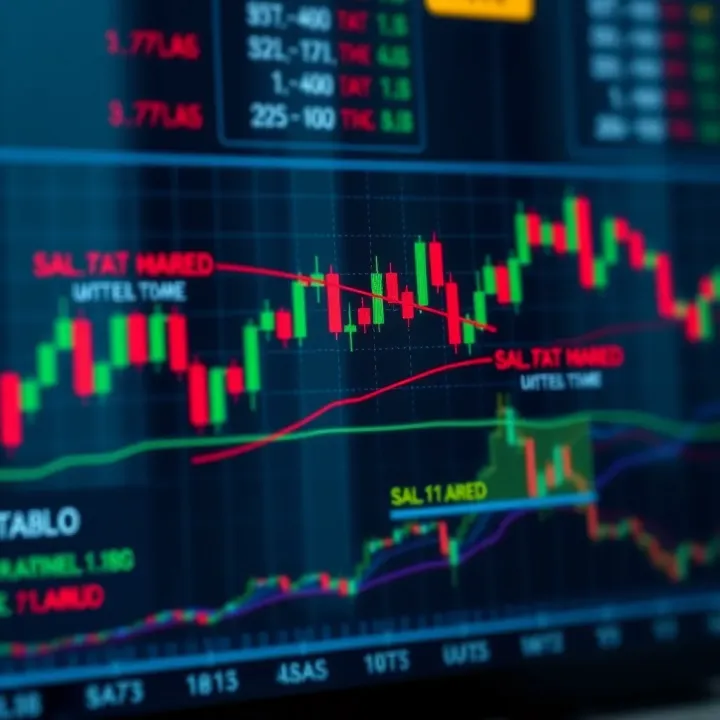
📈 Learn to spot and use key candlestick patterns for smarter trading in India. Easy guides and handy PDF resources included for continuous learning!
Based on 9 reviews