

How to Convert Binary 01001 to Decimal
Learn how to convert the binary number 01001 into decimal with a clear, step-by-step guide 🧮. Perfect for students and IT pros working with digital systems.
Edited By
Amelia Wright
Understanding binary to decimal conversion is useful not only for students but also for traders and financial analysts working with digital data formats, such as cryptocurrency transactions or stock market algorithms. Although binary numbers may look complex, converting a simple binary number like 00001 to decimal is quite straightforward.
Binary is a number system with base 2, meaning it uses only two digits: 0 and 1. This contrasts with the decimal system, which is base 10 and uses digits from 0 to 9. Computers and digital devices operate using binary values because they represent two states: ON or OFF.
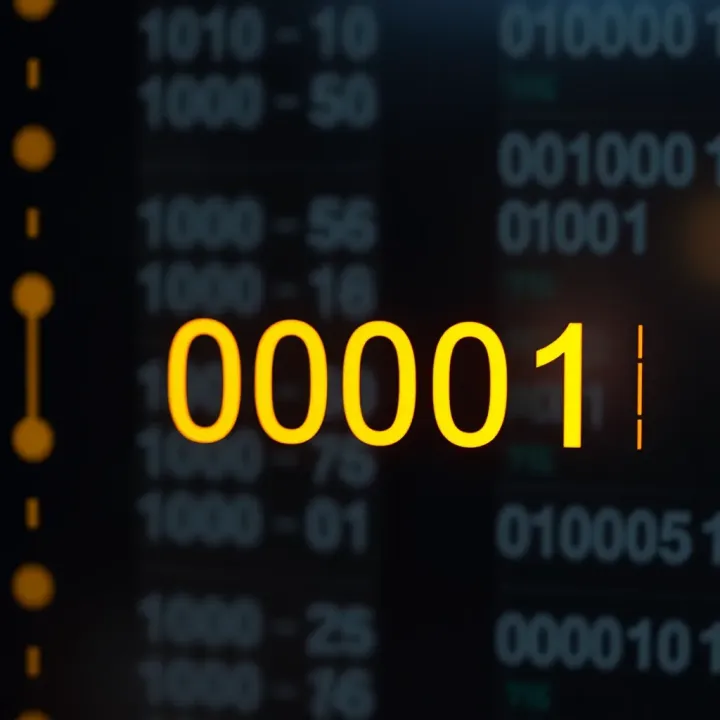
The binary number 00001 represents a value where only the last bit is set to 1, and all others are zero. Each position in a binary number corresponds to a power of 2, starting from the rightmost digit (least significant bit).
For example, in the binary number 00001,
The rightmost digit (1) is at position 0 and represents 2⁰
The next digits to the left represent 2¹, 2², 2³, and 2⁴ respectively, but as these are 0, they contribute nothing to the total.
The basic formula for converting binary to decimal is: sum of (each bit × 2^position).
In this case:
0 × 2⁴ = 0
0 × 2³ = 0
0 × 2² = 0
0 × 2¹ = 0
1 × 2⁰ = 1
Adding these gives the decimal value 1.
This simple conversion highlights that the binary number 00001 equals decimal 1. Such conversions are the foundation for understanding more complex binary numbers used in trading algorithms, data encryption, and cryptocurrency wallets.
Next, we'll break down the step-by-step process to convert any binary number into decimal, helping you understand how to interpret digital data in financial markets or blockchain.
Understanding the basics of binary and decimal number systems is key to grasping how data and numbers are processed in technology, especially computers. This knowledge benefits anyone dealing with digital systems, financial technologies, or cryptocurrencies, as these fields rely heavily on binary representations even though we use decimal in daily life.
The binary number system uses only two digits: 0 and 1. Each digit, called a bit, represents a power of two, depending on its position. For example, in the binary number 101, the rightmost digit represents 2^0 (which is 1), the middle digit 2^1 (2), and the leftmost 2^2 (4). So, 101 in binary equals 5 in decimal. Computers operate using binary because electronic circuits can easily distinguish two states: on and off.
The decimal system is the one we use in everyday life, consisting of ten digits from 0 to 9. It is based on powers of ten. So, the number 345 means 3×10^2 + 4×10^1 + 5×10^0. Each position to the left increases in value by a power of ten. This system makes counting, calculating, and representing values straightforward for humans.
Converting binary to decimal helps translate the computer’s language into a form humans can understand. For investors or financial analysts working with digital platforms, clear understanding of these conversions can demystify data flows inside trading algorithms or blockchain-related calculations. Moreover, converting decimal figures to binary becomes essential when programming or debugging computer-based financial tools.
Knowing how to move between binary and decimal allows you to interpret the underpinnings of digital data and better understand the technology driving finance and investing.
In summary, mastering the foundations of these number systems opens doors to richer insights into digital technology’s role in finance, from algorithmic trading to cryptocurrency transactions. Keeping these basics in mind makes subsequent steps, like converting specific binary numbers such as 00001 to decimal, much easier to follow and appreciate.
Understanding how to convert the binary number 00001 to its decimal equivalent is a straightforward process, but it forms the foundation for more complex conversions. This method teaches you to grasp the significance of each digit in a binary number by breaking down the place values and their roles. Investors and analysts dealing with tech stocks or cryptocurrency often encounter binary data, so mastering this helps in understanding digital asset behaviour or programming logic.
Binary numbers use base 2, meaning each digit represents a power of 2, unlike decimal numbers which are base 10. Each position starting from the right corresponds to 2 raised to a particular power, beginning with 0. For example, consider the binary number 00001. Its rightmost digit (the least significant bit) is in the 2^0 place. Moving leftwards, the next positions correspond to 2^1, 2^2, and so on.
Here, the first four digits are zero, so they represent 0 times their respective powers of 2. The rightmost digit is 1, which is in the 2^0 place, meaning this binary number equals 1 in decimal.
Remember: Even zeros hold place value, but since they multiply to zero, their contribution is none. Still, they ensure the correct positioning of digits.
To convert 00001 into decimal, multiply each bit by its place value and add them together:
0 × 2^4 = 0
0 × 2^3 = 0
0 × 2^2 = 0
0 × 2^1 = 0
1 × 2^0 = 1
Adding these terms, the total is 1. This simple result reaffirms that the binary number 00001 equals the decimal number 1.
For anyone working with binary data streams, like in blockchain transactions or financial algorithms, understanding these conversions ensures better interpretation of raw data values. It also helps spot errors quickly when handling binary-coded information.
This step-by-step approach is key to getting comfortable with binary systems before moving to larger binary numbers or integrating such logic into software and hardware analysis in financial technology sectors.
When working on binary to decimal conversions, especially something straightforward like translating 00001, small errors can cause confusion or wrong results. Recognising common mistakes helps avoid frustration and builds a stronger grasp of number systems, which is useful both in trading algorithms and data analysis where precision matters.
A frequent slip is misunderstanding the weight assigned to each binary digit, or bit. Each bit in a binary number carries a value based on powers of two, starting from the rightmost digit (least significant bit). Misreading these weights often leads to incorrect decimal values. For example, the binary number 00001 has five digits, but only the rightmost digit carries a value — which is 2⁰ = 1. If someone wrongly assigns the value of 2⁴ to the leftmost zero or mixes up positions, they may mistakenly calculate its decimal equivalent as 16 or more instead of 1.
Such a mistake is especially risky in financial modelling or programming, where accurate data transformations are critical. Understanding place values clearly ensures correct results without second guesses.
People sometimes think leading zeros in binary numbers are irrelevant or may erroneously ignore them during conversion. While leading zeros do not add value to the decimal equivalent, they are important for maintaining the correct length and position of bits — something crucial when dealing with fixed-length binary numbers in systems or coding.
Ignoring leading zeros may not alter the result for simple binary inputs like 00001, which equals 1, but it becomes problematic in more complex numbers or when padding affects byte or word sizes in data processing. For example, in a trading system where data packets expect 8-bit input, dropping leading zeros may cause improper interpretation of the data.
Remember, leading zeros themselves do not affect the decimal value but play a vital role in data integrity and accurate position interpretation during conversion.
In summary, avoid misreading binary weights and overlooking leading zeros. Keeping these points in check will improve your accuracy and understanding when converting binary numbers like 00001 to decimal. This precision is especially useful for traders and analysts who rely on clean data transformations.
Understanding how to convert binary to decimal is not just academic — it plays a vital role in several practical areas, especially for those involved with technology and data. This section explains where you will commonly see this conversion applied, making the topic relevant beyond just numbers on a page.
Binary numbering forms the backbone of computer operations. Every application you run, every website you visit, and every digital transaction processes instructions in binary form. Conversion to decimal helps humans interpret these binary signals in a more familiar number system. For example, when a computer’s processor reads the binary code 00001, it recognises this as the decimal number 1, which might represent a command or a data value.
On a practical level, engineers designing circuits or writing low-level code often switch between binary and decimal to debug or test systems. Digital electronics, like microcontrollers used in gadgets or financial devices, rely on binary inputs but display information in decimal for user clarity. Knowing how to convert 00001 assists in understanding simple cases where each binary digit (bit) activates a particular function — which is common in sensor data or control systems.
In Indian schools and competitive exams such as JEE (Joint Entrance Examination) or IT-related government recruitments, questions on binary and decimal conversions frequently appear. Mastery of converting numbers like 00001 to decimal helps students tackle these problems swiftly and accurately. This also builds a foundational skill that supports learning programming languages, computer science principles, and digital logic.
Beyond exams, understanding binary-decimal conversions aids anyone working with coding, especially in financial technologies where numerical data is processed in various formats. For instance, traders using algorithmic trading tools might encounter binary-coded data representing financial symbols or indicator values. Recognising the decimal equivalent behind binary helps analyse such data correctly.
Being confident in converting binary to decimal can open doors to a variety of career paths in technology and finance, where precise data handling matters.
In summary, binary to decimal conversion is not just a skill for textbooks but an important tool for real-world applications. Whether you are debugging a digital circuit, preparing for a competitive exam, or analysing binary-coded data in finance, understanding this conversion enriches your technical know-how and practical fluency.
Getting comfortable with converting between binary and decimal systems takes more than just memorising steps. Practical tips can make a big difference in understanding and speed. For traders, analysts, and cryptocurrency enthusiasts, mastering these conversions helps decode underlying digital data and improves confidence in technical calculations.
Practising regularly with diverse binary numbers builds familiarity with place values and speeds up mental conversions. Start with simple examples like 00010, 00101, or 01010 and gradually move to larger, mixed digit numbers such as 11011 or 101010. By exposing yourself to varied patterns, you learn to spot quicker shortcuts and avoid common pitfalls like ignoring leading zeros or misunderstanding digit weights.
Take, for example, converting 1011 to decimal. You can quickly add (1×8) + (0×4) + (1×2) + (1×1) = 11. Regular practice enables recognizing such patterns almost instantly, saving time when analysing data streams or algorithm outputs. Create small quizzes for yourself or exchange challenge numbers with peers to keep sharpening your skills.
While manual conversion is crucial, leveraging online tools and calculators can speed up complicated tasks and help verify your work. Several Indian educational websites and mobile apps offer binary-to-decimal converters tailored for beginners, many with step-by-step explanations.
Use these tools not just to get quick answers but to understand how the conversion occurs. Input different binary inputs and observe each step, learning why certain digits add specific values. This dual approach accelerates learning while reducing errors during real-world tasks.
That said, avoid over-relying on calculators. Instead, combine hands-on practice with smart use of digital resources. This strategy ensures you develop a sound conceptual grasp while benefiting from tech assistance.
Regularly switching between manual conversion and online tools helps internalize binary principles more effectively, making you more confident when working with binary data in trading algorithms or blockchain computations.
By adopting consistent practice habits and exploiting reliable online aids, you can master number base conversions with ease. This skill proves handy across stock data analysis, cryptocurrency wallet management, and even understanding digital security algorithms prevalent in today's financial tech sphere.
Learn how to convert the binary number 01001 into decimal with a clear, step-by-step guide 🧮. Perfect for students and IT pros working with digital systems.

Convert decimal numbers to binary in C++ using bitwise operations & library functions 🖥️. Learn with examples for different data types & edge cases!

Learn how to convert decimal numbers to binary in C programming with clear examples, tips for clean code, and common pitfalls to avoid 🧑💻🔢

Learn how to convert decimal numbers to binary in C with clear steps, optimised code, and sample tests. Understand number systems and coding logic easily 💻🔢
Based on 7 reviews