

Mastering Candlestick Patterns for Trading Success
📈 Learn to spot and use key candlestick patterns for smarter trading in India. Easy guides and handy PDF resources included for continuous learning!
Edited By
James Harrington
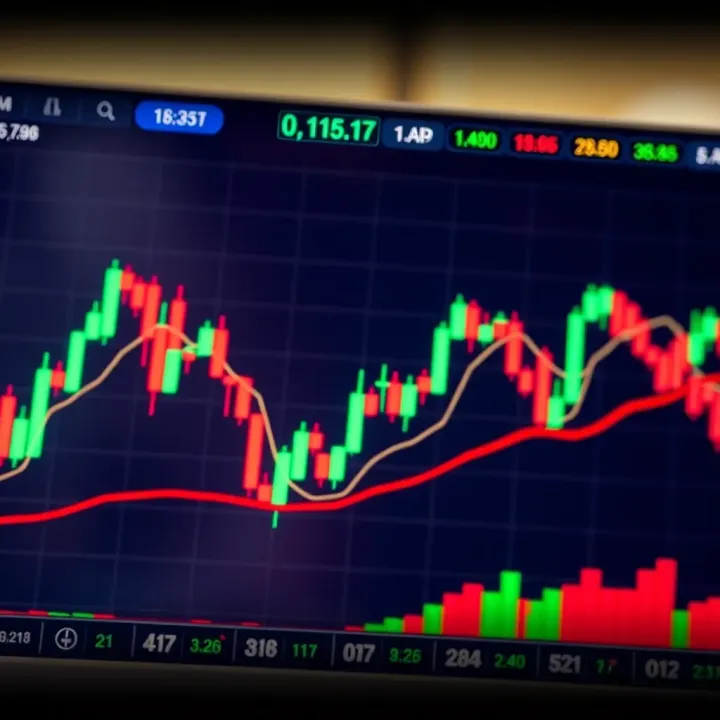
Candlestick charts have become essential tools for traders across India, from stock market investors to cryptocurrency enthusiasts. They offer a visual summary of price movements over a specific period, making it easier to spot trends, reversals, and market sentiments at a glance. Unlike simple line charts, candlestick charts convey more information, such as opening, closing, high, and low prices, through distinct candle shapes and colours.
Understanding candlestick patterns helps you interpret market behaviour more accurately. For instance, a long green candle often signals bullish momentum, while a long red candle indicates selling pressure. Many notable patterns combine several candles, like the Hammer or Engulfing patterns, signalling possible trend reversals or continuations. These patterns serve as practical signals for entry or exit points in trades.
Here's why mastering these patterns matters:
Clarity in decision-making: Candlestick patterns simplify complex price data, aiding faster interpretation.
Trend identification: Patterns help confirm if a trend will continue or reverse.
Risk management: Recognising patterns early can prevent losses by highlighting potential market moves.
In Indian markets where volatility can spike during earnings announcements or RBI policy updates, candlestick analysis provides an edge. Whether monitoring the Nifty, Sensex, gold, or currency pairs like USD/INR, such patterns remain valuable indicators.
Keep in mind, candlestick patterns work best combined with other tools like volume analysis, support-resistance levels, or fundamental insights about the company or asset.
This guide will walk you through the most important candlestick patterns, accompanied by simple images, enabling you to spot them confidently. Whether you're trading shares of Reliance Industries or following Bitcoin trends, understanding these signals equips you to make informed moves in the market.
Next, we will explore how to read basic candlestick charts before diving into specific patterns you can use in your trading routine.
Candlestick charts form the backbone of technical analysis for traders and investors. Understanding their components helps you decode market sentiment quickly and make informed decisions. In the Indian market, where volatility often spikes during earnings season or festive periods, recognising candlestick details can give you a practical edge.
Every candlestick summarises price action over a set time — it shows the open, high, low, and close (OHLC) prices. The open is the first traded price within that period, while the close is the last. The high and low represent the highest and lowest prices during that time. This snapshot helps traders identify how the market behaved within a session.
For example, if a stock starts at ₹1,200 (open), touches ₹1,250 (high), dips to ₹1,180 (low), and closes at ₹1,230, these figures form the skeleton of that candlestick.
The body of the candle, formed by the open and close prices, shows whether buyers or sellers controlled the session. Shadows (also called wicks) are thin lines extending above and below the body, representing price extremes.
The size and shape of the body and shadows provide insights into market strength and indecision. A long body with short shadows signifies clear momentum; a small body with long shadows suggests hesitance.
Candlestick colours typically indicate direction. A bullish candle, often green or white, means the close price was higher than the open — buyers dominated. A bearish candle, usually red or black, shows the close was lower than the open, suggesting seller control.
For Indian traders, this colour coding quickly highlights momentum shifts, especially when tracking Sensex or Nifty movements.
Candle length indicates strength or weakness. A long candle body reflects strong buying or selling pressure, like a ₹500 move in Reliance Industries might produce a long green candle in an hourly chart. Conversely, short candles show limited price change and might hint at consolidation or indecision.
Recognising these fundamental elements helps you spot potential reversals, trend continuations, or market pauses — critical signals before placing a trade.
Understanding candlestick components is not just academic — it’s about reading the market’s mood in real-time and acting before others catch on. Mastering this sets the foundation for interpreting more complex candlestick patterns later in your trading journey.

Single candlestick patterns offer quick insights into market sentiment through the shape and size of individual candles. These patterns can signal potential reversal or continuation ahead of time, helping traders make timely decisions without needing multiple bars for confirmation. Including images makes it easier to recognise these patterns amid the fast-moving price charts of stocks, commodities, or currencies.
Types of Doji: A Doji appears when the opening and closing prices are virtually the same, creating a very small or no body. Different types include the standard Doji, Dragonfly Doji, and Gravestone Doji. For instance, a Dragonfly Doji has a long lower shadow and almost no upper shadow, often signaling potential bullish reversal. The Gravestone Doji, on the other hand, shows a long upper shadow and little lower shadow, which can hint at bearish pressure.
Meaning and trading signals: Dojis represent market indecision where buyers and sellers are balanced momentarily. In practice, a Doji in an uptrend can warn that the buying momentum is fading and a reversal may come, particularly if confirmed by the next candle. For example, spotting a Gravestone Doji atop a rally may prompt traders to consider booking profits or tighten stop losses.
Visual characteristics: Both patterns show a small body near the candle’s high with a long lower shadow at least twice the length of the body. The hammer appears after a downtrend and the hanging man after an uptrend. The colour of the body—bullish or bearish—matters less but still gives additional context.
Reversals they indicate: The hammer suggests that sellers dominated earlier in the session, but buyers staged a strong recovery, which may signal a bullish reversal. Conversely, the hanging man warns that buyers can no longer maintain control after an uptrend, often preceding a bearish reversal. For instance, on the Nifty 50, a hammer forming near a support level has helped traders spot turning points.
How to identify: A shooting star has a small body near the low of the day and a long upper shadow at least twice the body’s length, forming after an uptrend. The inverted hammer looks similar but appears after a downtrend. Both show rejection of higher prices, which is key to their interpretation.
Context in trends: The shooting star often signals bearish reversal potential following an uptrend because it reflects selling pressure overcoming buyers during the session. In contrast, the inverted hammer hints at a possible bullish reversal after a downtrend by showing buyers tried to push prices up despite earlier selling. Indian traders often watch these patterns on platforms like Zerodha Kite for short-term signals.
Single candlestick patterns are quick snapshots of market psychology. When paired with trend context and volume data, they can become powerful tools in a trader’s arsenal.
Single candlestick patterns with images help you spot these clear signals efficiently, adding practical value to your technical analysis.
Multiple candlestick patterns give traders a clearer picture by combining the signals of two or more candles. This makes them more reliable for spotting trend changes or confirming current momentum than single candlestick observations. For instance, spotting a single bullish candle may not tell much, but recognising a bullish engulfing pattern can increase confidence on an uptrend’s start. Images alongside these patterns help visually grasp what traders should look for when analysing charts in real time.
Bullish engulfing happens when a smaller bearish candle is followed by a larger bullish candle that completely covers the previous body's length. This suggests buyers have taken control, often following a downtrend. For example, on Nifty charts, this pattern might signal a fresh buying interest after a fall. Traders watch for confirmation like higher volume or supportive moving average levels before entering long positions.
Bearish engulfing is the reverse: a smaller bullish candle swallowed by a bigger bearish candle. It indicates sellers overwhelming buyers, often signalling a potential reversal towards a downtrend. In Indian stock markets, spotting bearish engulfing near resistance zones like Sensex highs can warn traders to tighten stops or consider profit booking.
Formation steps for these patterns involve three candles: the first shows a strong trend (usually bearish for morning star and bullish for evening star), followed by a small-bodied candle that gaps away, showing indecision, then a third candle confirming the reversal by moving in the opposite direction strongly. This setup highlights a shift in market sentiment.
Trend reversal signals from these patterns appear reliable, especially with added volume or confirming indicators. For instance, a morning star after multiple red candles on a commodity chart like gold might hint at a bullish turn, helping traders identify entry points ahead of a price rally.
Pattern description: Three white soldiers consist of three consecutive bullish candles, each opening within the previous candle’s body and closing higher, indicating strong buying pressure. Conversely, three black crows are three sequential bearish candles opening within the previous candle’s body and closing lower, signalling sustained selling.
Market implications are significant as these patterns confirm strong momentum in either direction. In Indian markets, three white soldiers appearing on tech stocks could signal continued gains, prompting traders to add positions. In contrast, three black crows can indicate weakness in a previously strong sector, alerting to caution.
Bullish harami involves a large bearish candle followed by a smaller bullish candle contained within the previous body. It shows hesitation among sellers and potential for a reversal upward. Traders often see this pattern near support levels, signalling a possible relief rally.
Bearish harami is when a large bullish candle precedes a small bearish candle completely inside its body. This suggests waning buying interest and possible downside to come. In practice, spotting a bearish harami on a currency chart like USD/INR might prompt traders to place stop-loss orders or plan exits.
Multiple candlestick patterns blend stronger signals with clearer visual cues, helping traders in Indian markets make informed choices. These patterns, supported by volume and other indicators, guide well-timed entries and exits more effectively than isolated candlestick observations.
Candlestick patterns offer valuable clues about market sentiment and potential price movements. But their real power comes when combined thoughtfully with other data. Using candlestick patterns wisely can improve entry and exit timing in trading, especially in volatile markets like Indian equities, commodities, or currency pairs. Without confirmation, these patterns might lead to false signals, causing avoidable losses.
Volume analysis plays a crucial role in validating candlestick patterns. For example, a bullish engulfing pattern forming on low volume may lack conviction, while the same pattern accompanied by high trading volume suggests strong buying interest. Volume confirms whether market participants back the potential trend reversal or continuation signalled by the candlestick.
In Indian markets, volume spikes during announcements like RBI policy decisions or quarterly results often reinforce candlestick signals. For instance, a hammer candlestick following a sharp decline, paired with rising volume, can indicate that sellers are exhausted and buyers are stepping in.
Technical indicators such as the Relative Strength Index (RSI), Moving Average Convergence Divergence (MACD), and moving averages add another layer of confirmation. RSI helps identify overbought or oversold conditions. If a doji forms while RSI is below 30 (oversold), it strengthens the case for a possible bounce.
MACD’s crossover signals can support patterns too. A bullish candlestick pattern aligned with a MACD bullish crossover increases the reliability of a buy signal. Similarly, price closing above a key moving average (like 50-day SMA) after a bullish pattern suggests upward momentum. Integrating these tools helps avoid acting on patterns appearing in isolation.
Relying solely on one candlestick pattern can mislead traders. Market behaviour is complex and often driven by multiple factors. For example, a single shooting star may look like a bearish signal, but if it occurs during a strong uptrend confirmed by volume and indicators, selling on it alone proves premature. Always consider systems and additional data points before finalising trades.
Another frequent error is ignoring the broader market trend. Candlestick patterns are more effective when read in context. For instance, a bearish pattern in a persistent bull market might signal only a minor pullback rather than a trend reversal. Indian indices like Sensex and Nifty often exhibit solid upward trends over months; trading against these without considering macro factors can lead to repeated losses.
Being aware of sector performance, global cues, and economic indicators is equally important. A candlestick reversal in a weak sector may not translate to a broader market move. Overlooking these aspects diminishes trading accuracy and adds avoidable risk.
Always remember, candlestick patterns offer potential insights but do not guarantee outcomes. Combine them with volume, indicators, and market context for well-informed decisions.
Using candlestick patterns effectively demands understanding regional market conditions and the tools available to Indian traders. These patterns can reveal potential price movements, but success comes from combining them with local market insights and reliable charting platforms. This section focuses on practical approaches tailored for the Indian market.
When analysing Sensex and Nifty, it's essential to consider the unique behaviour of these indices. During the financial year close or budget announcements, volumes often surge, affecting candlestick reliability. For example, a Doji pattern on Nifty near budget announcements may signal indecision but interpreting it requires caution as market swings can be sharp. Traders should pair pattern recognition with awareness of market drivers like foreign institutional investor activity, which frequently influences index moves.
In commodity and currency markets, patterns offer cues but need contextual reading. Crude oil prices, influenced by geopolitical events, can cause volatile candlestick formations on MCX charts. Similarly, the USD-INR currency pair tends to react to RBI policies and global dollar trends, making short-term candlestick signals tricky during policy months. A bullish engulfing pattern in gold futures during festival seasons like Diwali may hint at sustained buying because of traditional demand, while in currency markets, RSI and volume should confirm any trend reversal suggested by candlesticks.
Popular Indian platforms like Zerodha Kite, Upstox, and TradingView provide robust tools for candlestick analysis. Zerodha Kite, for instance, offers customised candlestick intervals and easy toggling between indicators, ideal for day traders watching volatile scrips like Reliance or TCS. TradingView stands out with a large user community sharing pattern ideas and the ability to overlay macroeconomic data, useful for analysts tracking Sensex sectors.
Exporting candlestick images helps traders document patterns and review past signals. For example, saving a screenshot of a Morning Star formation on Bank Nifty allows a trader to compare it later with actual price movements for learning. Many platforms enable downloading charts in high resolution, which simplifies sharing setups with mentors or trading groups. Also, annotating these images to highlight key levels or pattern confirmations makes post-trade analysis clearer and systematically improves decision-making over time.
Practical use of candlestick patterns in India hinges on blending technical signals with an understanding of local market rhythms and choosing platforms that support visual analysis for ongoing learning.
📈 Learn to spot and use key candlestick patterns for smarter trading in India. Easy guides and handy PDF resources included for continuous learning!
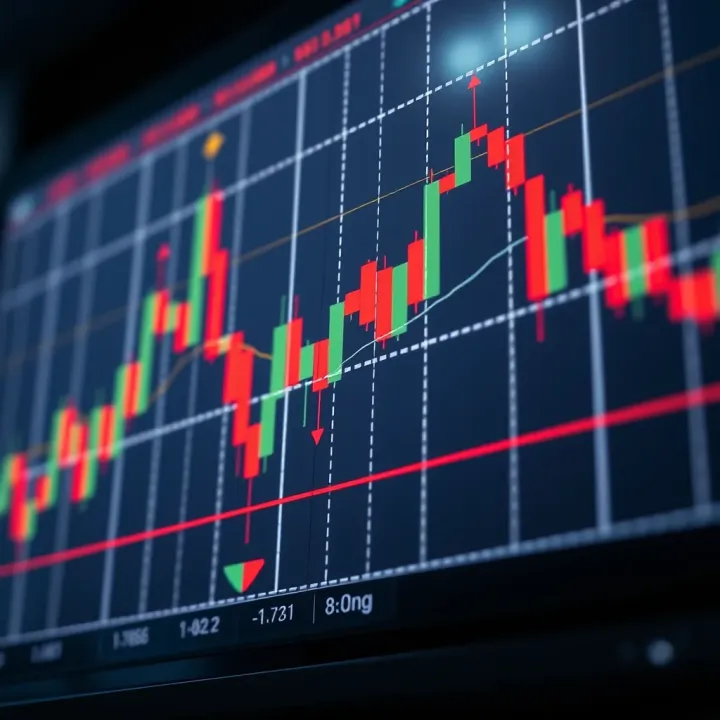
Discover the most accurate candlestick patterns 📊 that help traders spot market trends in India 🇮🇳. Learn to trade smarter with clear, proven insights.

📊 Learn to spot the most powerful candlestick patterns in trading for smarter decisions. Master key signals and boost your chart analysis skills today!

📈 Learn how to spot key candlestick patterns and decode market trends for smarter trading decisions. A practical guide for investors in India & beyond.
Based on 13 reviews