

Best Apps for Options Trading in India
Looking to trade options in India? Discover apps with right features, regulatory clarity & expert tips to boost your trading success 📈. Choose smartly today!
Edited By
Oliver Reed
Virtual trading apps simulate real stock market conditions without using actual money. For options traders in India, these apps provide a risk-free environment to practise and experiment strategies before committing real capital.
Options trading itself is complex, involving contracts that give the right, not the obligation, to buy or sell an asset at a fixed price within a time frame. Mistakes can lead to heavy losses, so virtual platforms offer a safe space to learn these mechanics.

Using a virtual trading app helps sharpen skills in several ways:
Understanding options pricing and Greeks: Practice reading indicators like delta and theta without financial stress.
Testing strategies: From simple call or put buying to complex spreads, you can try different approaches.
Familiarising with market orders and expiry cycles: This builds confidence in timing trades.
Several apps target Indian traders, tailored to the local market's nuances, such as NSE and BSE options. These platforms vary in user experience, fees, charting tools, and educational content.
Choosing the right virtual trading app depends on your experience level, desired features, and how closely it mimics live market conditions.
Ahead, we will look at key factors to consider when picking a virtual trading app and compare some popular options in India’s market to help you trade smarter, not just harder.
Virtual trading for options is a vital starting point for anyone looking to enter the world of options trading without risking real money. This practice involves using a simulated trading platform where users can buy and sell options contracts under real market conditions, but with virtual funds. The aim is to gain hands-on experience and build confidence before engaging in live options trading.
At its core, virtual trading in options lets you experience the mechanics of the options market without financial consequences. These platforms replicate the trading environment by offering virtual money to place option trades on stocks, indices, or commodities. Traders use it to learn how options contracts work, understand premium, strike prices, expiry dates, and the impact of market movements on option value.
The purpose is straightforward: provide a sandbox where one can experiment freely. For example, if you are curious about strategies like writing covered calls or buying puts as a hedge, virtual trading lets you test these ideas in real time. It saves you from learning via expensive trial and error in live markets.
Virtual trading mimics real market setups by pulling live price feeds from exchanges like NSE or BSE. When you buy or sell an option in the virtual app, the platform applies real-time market rules, including bid-ask spreads and volatility changes. This simulation helps traders practice order placement, timing exits or entries, and reacting to market swings just as they would in an actual trade.
While virtual trading offers realism, it cannot fully replicate the emotional impact of losing or making real money. Live trading introduces psychological factors such as fear and greed that influence decisions, which virtual platforms cannot simulate. Also, actual trading incurs brokerage charges, taxes and slippage which are often not factored into virtual trading.
Moreover, liquidity constraints and execution delays sometimes seen in real markets may not be present in virtual setups. Consequently, results in virtual trading might differ slightly when transitioning to live markets.
Virtual trading apps provide a risk-free learning environment where beginners can grasp option basics without financial loss. For instance, a newbie can practise buying call options during an expected market rise or selling puts during stable periods without worrying about losing ₹10,000 or more.
These apps also help in building option strategies. You can experiment with complex plays like iron condors or calendar spreads, understanding profit-loss and risk scenarios. For example, you might try a bull call spread virtually to see how it behaves under different stock price conditions before committing real funds.
Lastly, virtual trading allows you to track performance without financial risk. Detailed reports and trade histories let you analyse what worked and what didn't. Maintaining a trading journal alongside helps refine decision-making skills. This systematic approach improves preparedness for live market situations.
Practising in a virtual trading environment equips you with the skills and confidence needed to navigate India’s options market more effectively, reducing costly mistakes once you trade real money.
Understanding these aspects of virtual trading builds a solid foundation for selecting the right virtual trading app to sharpen your options trading skills without exposing yourself to unnecessary losses.
When choosing a virtual trading app for options in India, certain features matter more than others. A good app should not only simulate real market conditions but also offer tools that help you build your trading skills effectively. From user-friendly design to dependable market data, these aspects can make or break your practice sessions.
Ease of navigation is vital in any trading app, virtual or live. Imagine starting your practice with an app where finding option chains or placing orders feels like solving a puzzle—such an experience discourages learning. A straightforward interface lets you focus on analyzing and strategising rather than battling the app itself. For example, Zerodha Kite’s clean dashboard allows beginners to jump straight into trading options without hunting for essential tools.
Realistic market data and visuals enhance the simulation by reflecting actual market behaviour closely. If the app’s price feeds lag or charts display outdated information, your decisions won't align with real market dynamics. Apps that pull live or near-real-time data from exchanges like NSE (National Stock Exchange) help you understand price movements, volatility changes, and impact of market events. This realism feeds better learning and prepares you for live trades.
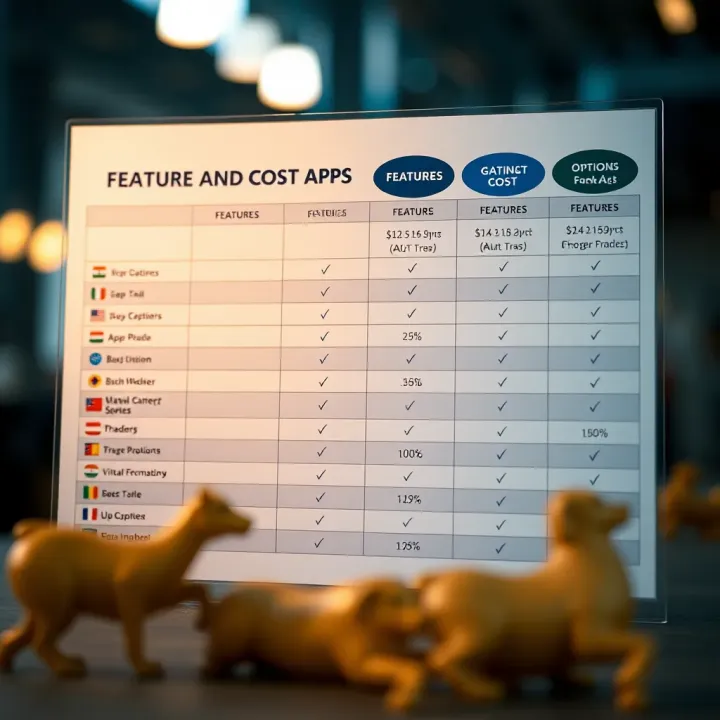
Availability of different option contracts matters because it provides a broad playground for strategy testing. An app offering only a few options strikes limits on what you can try. You want access to various strike prices, expiry dates, and both call and put options to explore spreads, straddles, or butterflies. Upstox’s virtual trading platform, for example, offers extensive options data, letting you experiment widely.
Charting and analysis tools are your eyes into market trends and patterns. Options trading is complex; effective charts help spot technical signals like support and resistance levels or implied volatility shifts. If your virtual trading app has limited chart overlays or lacks indicators like RSI, MACD, or Bollinger Bands, it confines your strategy development. TradingView’s simulator, with its advanced charting, provides an edge here.
Strategy builders and simulators can accelerate learning by simplifying complex option combinations. Instead of manually calculating payoffs, these tools graph your profit-loss scenarios with inputs like strike price, premium, and expiry. Some apps even offer backtesting features to check historical performance. This hands-on testing boosts confidence before risking real money.
Timeliness of updates in market data ensures your trades reflect the current market atmosphere. Delays in price feeds can mislead about option premiums or Greeks (like delta and theta) at crucial moments. The difference between timely and stale data might mean the gap between a successful hedge strategy and unexpected losses.
Accurate, up-to-date market information is the bedrock of any trading decision, virtual or live. Without it, virtual practice risks becoming misleading.
Impact on trading decisions is direct; with reliable data, you can trust your analysis and discipline better entry and exit points for option trades. Conversely, apps showing inaccurate or outdated market movements could foster bad habits, which hurt once you switch to live trading. Precision in data builds real trader instincts over time.
In short, focus on apps that blend user-friendly design with robust tools and trustworthy data. These key features not only replicate trading realism but also develop your skills to trade options confidently in Indian markets.
Choosing the right virtual trading app matters because it shapes how effectively you can practise options trading without risking real money. These apps offer diverse features, market data accuracy, and learning aids, all crucial for building skill and confidence. This section reviews three popular platforms widely used in India, focusing on their practical benefits and drawbacks.
Key features for options practice: Zerodha’s Varsity is known for its detailed educational content, which complements the Kite trading platform well. The virtual trading option in Kite lets you simulate option trades using real-time market data, which is vital for experiencing how option prices fluctuate in live markets. Moreover, Kite’s interface supports option chain viewing and basic charting, so users can try strategies involving strike prices and expiry dates.
Pros and cons: One big plus of Zerodha is its seamless integration between learning through Varsity and practising trades on Kite. The platform is free and offers reliable updates from NSE (National Stock Exchange). On the flip side, Kite’s virtual trading lacks advanced strategy builders or detailed backtesting, which may limit users wanting deeper analysis.
Suitability for beginners and experienced traders: Zerodha caters well to beginners because Varsity breaks down complex option concepts into easy lessons. Experienced traders might find the platform less flexible in testing sophisticated option strategies due to limited simulation features. Still, its smooth user experience and cost-free access appeal across skill levels.
User experience: Upstox offers a clean and responsive mobile and desktop interface, making navigation quite straightforward. The platform loads quickly with minimal lags, which helps during fast-moving markets in options trading.
Tools for option strategy builder: A key strength of Upstox is its inbuilt option strategy builder that allows users to create combinations like spreads, straddles, and strangles virtually. Users can see potential profit-loss diagrams instantly, helping to understand risk and reward better.
Data accuracy and updates: Upstox fetches real-time market data from NSE with minimal delay, crucial for traders practising to scalp or make intraday option moves. Accurate and timely updates are essential because option premiums are highly sensitive to market shifts.
Integration with NSE options data: TradingView stands out by integrating NSE options data directly into its global platform, which gives users an extensive view of market activities. This integration means Indian traders can access broad market indicators alongside option chains.
Charting and backtesting features: The platform offers top-notch charting tools popular with technical traders. Its backtesting capability helps users test their option strategies over historical data, allowing better strategy refinement.
Limitations in virtual trading execution: Although TradingView excels in analysis, its virtual trading executions for options are somewhat limited. It does not fully simulate real market order types or slippage, so traders might not experience exact conditions of live trading sessions.
Selecting the virtual trading platform depends on whether you prioritise strong educational content, advanced strategy building, or superior technical analysis. Each app reviewed here has its unique edge, so choose as per your learning goals and trading style.
Picking the right virtual trading app for options is key to making your practice time productive. Not every app suits every trader because your experience level, goals, and available resources shape what you need. A well-chosen app helps build confidence, reduce mistakes, and prepares you for real options trading in India's stock market.
Beginners usually need simple interfaces and clear guidance. Apps designed for them offer step-by-step tutorials and limit complex jargon. For example, Zerodha’s Varsity coupled with Kite’s virtual trading works well for those just starting out. Advanced traders, however, expect detailed market data, sophisticated tools like strategy builders, and customisable charting. Upstox or TradingView might appeal more here due to their robust feature sets. Matching the app’s complexity with your skill level avoids overwhelm or under-challenge.
If you want to sharpen skills quickly for imminent trades, apps offering realistic market simulations and real-time data are preferable. They help you grasp immediate option pricing and volatility. Conversely, if your goal is to learn over months, an app with detailed analytics, historical data, and paper trading options can support gradual improvement. TradingView’s backtesting feature is excellent for long-term learners. Knowing your timeline for practice shapes which app features will benefit you most.
Several Indian virtual trading apps offer free basic access—ideal if you're exploring without risk. However, paid plans usually unlock advanced tools like in-depth analytics, multiple option expiry tracking, or strategy automation. For example, Upstox’s virtual trading has a free tier but also charges for premium features. Evaluate if paid features genuinely aid your trading goals or if free tools suffice. This judgement can save unnecessary expenses.
Some apps follow monthly or yearly subscriptions, while others charge per feature or trade. Check the app’s pricing structure carefully. A monthly plan suits those needing short bursts of practice, while an annual plan may offer better value for regular users. Also, pause or cancel policies affect flexibility. Assess what fits your trading frequency and budget, so you don't end up paying for unused services.
Trading often happens on the move, especially in India’s busy markets. Apps with both mobile and desktop versions offer greater flexibility. For example, Zerodha’s Kite works well on desktops and mobiles, supporting seamless transition. Some apps, however, limit virtual trading features to desktop only, which may be inconvenient. Ensure the app supports your preferred device and works smoothly on your internet connection.
Good virtual trading apps provide tutorials that clarify complex options concepts. This is helpful particularly for neural beginners or those venturing into advanced strategies. For instance, Zerodha Varsity’s tutorial series breaks down topics like the Greeks, volatility, and spreads. Having integrated learning resources saves you hopping between platforms, making your practice more focused and informed.
Forums, user groups, and prompt customer service improve your experience. Community can offer peer advice, strategy discussions, and problem-solving tips. Customer support ensures technical issues or doubts get quick resolution. Apps with active communities, like TradingView, provide added value beyond simulation. Check if the app’s support team is accessible via chat, email, or phone, especially if you plan intensive use.
Choosing the right app involves a mix of understanding your needs, balancing costs, and exploiting educational tools to make virtual trading truly effective.
By weighing these factors, you can zero in on an app that matches your options trading readiness and learning rhythm, setting you up for smoother transition to live markets.
Using virtual trading apps for options can sharpen your skills without risking real money, but to truly gain from this practice, a thoughtful approach is necessary. Virtual trading is not just about clicking through simulated markets; it’s about applying strategies, learning from mistakes, and preparing yourself for live trading.
Setting realistic goals is the first step in effective virtual trading. Instead of trying to hit large profits quickly, focus on mastering specific strategies or understanding option Greeks like delta and theta. For instance, you might set a goal to practise covered call writing until you see consistent virtual gains over a month. This makes your practice structured and keeps motivation in check.
Simulating different market conditions allows you to test your strategies under varied scenarios. Most virtual trading apps let you practise with historical data or volatile market conditions. For example, practising during sharp market swings helps prepare you for real-life corrections like those India has experienced during the 2020 pandemic. This broadens your understanding beyond bullish trends.
Using app reports is crucial to analyse your virtual trades systematically. Detailed reports showing profit/loss patterns, win rates, and risk-reward ratios help identify what works and where you need improvement. For instance, spotting repeated losses on short strangle strategies can prompt you to revisit or tweak your risk management.
Maintaining a trading journal complements app reports by adding your personal observations and emotional notes. Writing down why you entered a trade, what news influenced your decision, or how you felt during trade execution deepens your insight. This habit mirrors professional traders and helps reduce impulsive decisions, a vital edge when you shift to real markets.
Knowing your readiness requires self-assessment beyond paper profits. If you consistently follow your trading plan, manage risk well in virtual trades, and understand options mechanics, it signals readiness. On the other hand, rushing into real trading without this can lead to costly errors.
Managing emotions and risks becomes critical once real money is involved. Virtual trading doesn’t replicate the psychological pressure of actual losses. Learning to handle fear and greed, perhaps by starting with small position sizes or using stop-loss orders, helps ease this transition. It’s often said that the biggest hurdle isn’t the market but your emotions.
Practising smartly with virtual options trading prepares you for the unpredictable real market. Plan well, track thoroughly, and step in only when you have honed both strategy and temperament.
By focusing on these practical steps, you ensure your virtual trading isn't just practise but a solid foundation for your real trading journey.
Looking to trade options in India? Discover apps with right features, regulatory clarity & expert tips to boost your trading success 📈. Choose smartly today!

Explore the top paper trading apps in India 🖥️ to practise stock trading risk-free, enhance your skills, and gain confidence before investing real ₹ funds.

Explore advanced options trading strategies like spreads and volatility plays tailored for Indian investors 🇮🇳. Learn risk management and market tactics to boost portfolio returns 📈.
🔍 Find the best trading app in India with our detailed guide! Explore top features, security, fees, and assets to trade confidently and safely. 📈💼
Based on 14 reviews