

Top Trading Apps in India: Features and User Reviews
📈 Explore top trading apps in India! Compare features, costs & security to pick the best platform tailored for your trading style. Trade smart today! 💰
Edited By
Sophie Mitchell
In India’s rapidly growing financial markets, picking the right trading app isn’t just about convenience—it’s about making smarter investment decisions that align with your goals. With so many options available, from Zerodha's Kite to Upstox Pro and Angel Broking's ARQ, understanding what sets one app apart from another can feel like trying to find a needle in a haystack.
This article breaks down the essential features and strengths of the most popular trading apps in India. Whether you're a novice trader taking your first steps, a seasoned investor managing multiple portfolios, or someone intrigued by cryptocurrency alongside stocks, knowing what to look for makes all the difference.
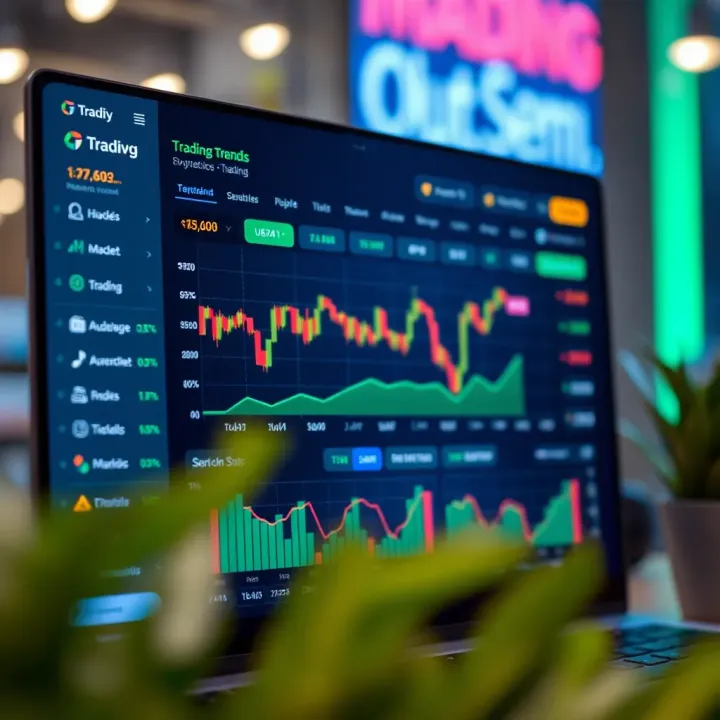
We’ll talk costs, ease of use, app reliability, regulatory safety nets, and user feedback—all the nitty-gritty that impacts your trading experience. You’ll also get insights on how these platforms cater to different trading styles, from quick intraday moves to long-term wealth building.
Choosing the right trading app is more than just picking a flashy interface; it’s about finding a tool that fits your trading habits, safeguards your investments, and keeps you ahead of the market moves.
In short, this guide aims to equip you with practical knowledge to steer through the clutter and zero in on the best app for your needs without the guesswork.
Trading apps have transformed how investors in India access stock markets, making trading more accessible and straightforward. Understanding this shift is crucial for anyone looking to navigate the investment world efficiently, especially with so many app options available today.
These apps serve as the bridge between the investor and the market, providing direct, real-time access to buy and sell securities. The benefits aren't just convenience but also the ability to act quickly on market movements without being tied down to a physical broker or office.
Take Zerodha Kite, for instance. It's widely popular for its user-friendly interface and cost-effective pricing, leading many traders to choose it as their go-to platform. Such examples highlight the importance of knowing what's out there and how different features can impact your trading experience.
India's online trading landscape has seen a meteoric rise over the past decade. From a handful of users trading on clunky platforms to millions today leveraging sleek mobile apps, this growth reflects broader shifts in technology adoption and financial awareness.
Platforms like Upstox and Angel Broking have brought trading into the hands of everyday users by simplifying the entire process. For example, the ease of opening a Demat account through these apps, often with minimal paperwork, means more users can start investing without hurdles.
This growth isn't just about numbers; it's about expanding opportunities for everyone—from college students to working professionals—making investing part of everyday life.
Technology is the backbone of modern trading apps. It has broken down barriers like geographical distance and limited trading hours. Mobile connectivity lets users track market conditions and execute trades anytime, anywhere.
Moreover, features like real-time price updates, interactive charts, and personalized alerts empower traders to make informed decisions faster. For example, the integration of APIs with trading platforms allows advanced traders to automate orders based on criteria they set.
In practical terms, these tech advances mean no more waiting hours for confirmations or grappling with outdated data, reducing missed chances and enhancing user confidence.
The Securities and Exchange Board of India (SEBI) plays a critical role in shaping the standards that trading apps must meet. To maintain market integrity, SEBI enforces rules that ensure apps are transparent, reliable, and customer-focused.
For instance, SEBI mandates disclosures about brokerage charges and warns against misleading advertisements. This guidance helps investors avoid surprises when trading costs add up.
Regular audits and licensing requirements also mean that only qualified entities operate trading platforms, adding an extra layer of trust for users.
Investor protection is a top priority, and the rules underpin several safeguards embedded in trading apps. Apps often include features like two-factor authentication and end-to-end encryption to keep users' data and funds secure.
Moreover, regulatory oversight requires brokers to protect client funds separately and provide grievance redressal mechanisms, ensuring problems can be resolved promptly.
A concrete example is the Investor Protection Fund overseen by SEBI, which can compensate investors if a brokerage firm fails, offering peace of mind when trading.
Knowing the regulatory backdrop and growth patterns helps choose a trading app that’s not only functional but also safe. This awareness protects your investments while providing tools suited to your trading style.
When it comes to picking a trading app, the features it offers can make or break your experience. With so many options available in India, understanding what to look out for is essential. A well-designed app can not only simplify your trades but also give you an edge when the market moves fast.
From how easy it is to navigate, down to the speed with which your orders get executed, each feature plays a practical role for traders — whether you're someone casually investing or more active in the markets. Let’s break down the essentials to focus on.
Nobody enjoys getting lost in a maze of buttons and menus when trying to place a trade quickly. A trading app should let you find what you need without hunting for ages. This means having a clean layout with clear labeling and intuitive flow. For example, Zerodha's Kite app is known for keeping its interface straightforward, which is a relief for beginners who might otherwise get overwhelmed.
Being able to quickly check your portfolio, place buy or sell orders, and access crucial data without fumbling around saves you time and frustration. Efficient navigation reduces errors, which is especially important during volatile market hours.
No two traders are the same. Some like charts front and center, others want a news feed or quick links to their most-used features. Good trading apps like Upstox Pro let users tailor dashboards, offering options to drag and drop widgets or choose between different themes.
Customizability isn’t just about looks — it’s about fitting the app to your style, so you work smarter, not harder. Setting your workspace helps you focus and react faster when opportunities or risks pop up.
Strong charting capabilities are a must-have. Apps should offer a variety of technical indicators—like Moving Averages, RSI, MACD—that help you analyze price trends and make informed decisions. Angel Broking's app, for instance, provides advanced chart types and drawing tools that even experienced traders appreciate.
These tools give context to price movements. Instead of guessing, you see patterns and signals, which can be the difference between a gain and a loss. Look for apps that don’t bury these features but make them easy to apply and interpret.
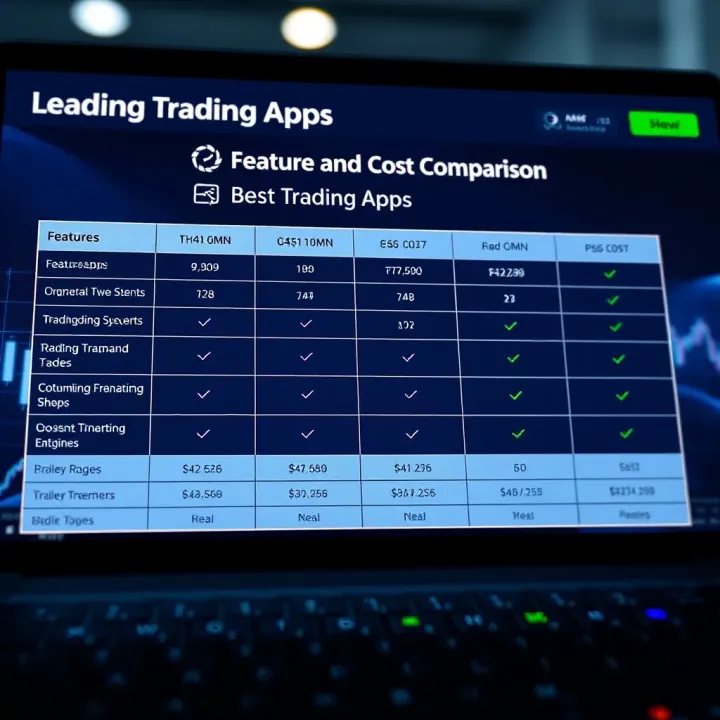
The stock market can change in seconds. Delayed information is almost useless when you want to jump on a trade at the right moment. Getting live updates on prices, volumes, and order books is crucial.
Apps like 5Paisa and Groww emphasize delivering real-time quotes without lag, which means you’re getting fresh market intel to base your moves on. Remember, even a few seconds delay can lead to missing a good entry or exit point.
In fast-moving markets, real-time data isn't a luxury—it's a necessity.
Your app should support multiple order types. The simplest are market orders, which buy or sell immediately at current prices. Then there are limit orders, which let you specify the price you’re willing to accept. Both serve different strategies — market orders for speed and limit for price control.
For instance, if you want to buy shares quickly during a sudden dip, a market order is convenient. But if you target a specific price lower than the current one, limit orders help without you sticking around for manual intervention.
It's one thing to put in an order and another for it to actually get executed without glitches. Execution reliability refers to how consistently the app processes orders without delays or errors. Traders using Groww or Zerodha frequently comment on their smooth executions, especially during high-volume hours.
Poor execution can mean missed profits or unexpected losses. So, check reviews and feedback about an app's performance during busy market periods to gauge reliability before you dive in.
Knowing these features helps you separate the apps that just look good from those that actually perform well when it counts. Trading is fast-paced, and your app should be a tool that adapts to your needs and keeps you in control. Next, we’ll take a closer look at how top trading apps in India stack up in these key areas.
Choosing the right trading app can be the difference between sailing smoothly through your investment goals and hitting endless roadblocks. Evaluating top trading apps in India is about more than just spotting the flashiest interface; it boils down to understanding each app's unique strengths and weaknesses, costs attached, and how well it serves your trading style. For investors and traders, this means saving money, time, and frustration.
Popular trading apps like Zerodha Kite, Upstox Pro, Angel Broking, 5Paisa, and Groww each have their distinct approach. Knowing how they stack up can help you pick the best fit rather than going with what’s trending or what a buddy recommends.
Zerodha Kite is often seen as the benchmark for tech-driven, functional trading in India. With a clean UI, quick order execution, and a wide range of tools, it hits the mark for both beginners and experienced traders. It offers extensive charting features, real-time data, and allows trading across multiple segments like equities, commodities, and currency futures. One standout feature is its integration with the popular Coin platform for mutual funds within the same app ecosystem, simplifying portfolio management.
Upstox Pro caters well to those who want smart tools without a steep learning curve. It supports advanced charting and technical analysis with over 100 indicators, which is great for active traders. Upstox Pro boasts low latency, meaning your trades get executed faster, which matters when the markets are moving quick. Plus, it appeals to cost-conscious users by offering competitive brokerage fees.
Angel Broking balances usability and research well. Their app not only allows trading in stocks and mutual funds but also provides advisory services and personalized investment strategies through their ARQ platform. The app scores brownie points for beginner-friendly features and detailed market insights, making it a handy one-stop solution.
5Paisa is often favored by volume traders and those looking for budget-friendly brokerage. Its flat fee structure means you can trade multiple times without breaking the bank on commissions. The app might look a bit basic, but it offers all the essentials like real-time market data and a decent selection of order types. For small investors trying to stretch their capital, 5Paisa keeps costs in check without compromising too much on functionality.
Groww started as a mutual fund investment platform but has quickly turned into a competent stock trading app. It excels in simplicity and minimalism, which works well for casual investors dipping their toes in the market. The app’s clean design avoids the information overload you can get elsewhere. Recently added features also include detailed stock analysis, helping newer users make informed choices without needing to switch apps.
Brokerage fees can eat into your profits, especially if you trade frequently. Most apps offer zero brokerage on equity delivery, but charges kick in when you venture into intraday or derivatives trading. For example, Zerodha charges a flat ₹20 per trade or 0.03% whichever is lower, which can be much cheaper for high-value trades. Upstox and 5Paisa also follow similar flat-fee models, making costs predictable rather than surprising at month-end.
Account maintenance charges (or AMC) are another cost to watch. These vary but often range from ₹300 to ₹500 annually. Some apps waive AMC if you maintain a minimum balance or volume of trades, which is something to consider before committing. For example, Groww does not charge AMC, making it handy for beginners or casual investors who don’t trade often.
Hidden costs can trip up unsuspecting investors. These might include fees for SMS alerts, DEMAT account charges, or withdrawal fees. For instance, some brokers levy extra charges for paper statement requests or physical contract notes. Understanding all fees upfront by reading the fine print and customer reviews helps avoid nasty surprises. Always look for apps with transparent fee structures and clear communication.
When you’re dealing with your hard-earned money, every rupee counts. A well-chosen trading app not only fits your trading style but also saves costs that can add up over time.
To summarize, reviewing popular trading apps based on their features and cost structure gives you a realistic picture of what to expect. This way, you avoid climbing climbing the wrong tree and instead pick an app that truly serves your needs and goals.
When it comes to picking a trading app, security and compliance aren't just afterthoughts—they're foundational. Indian investors deal with sensitive info and money, so apps need to be locked down tight and follow the rules laid out by regulators like SEBI. Without these, even the flashiest app could leave you exposed to fraud or legal headaches. Let's break down what makes security and compliance tick in this space.
Encryption is basically the digital lock on your data vault. A trading app should use strong encryption protocols—think AES-256 or TLS 1.3—to keep information like your bank details or login credentials safe when it zips across the internet. Practically, this means if someone tries to intercept your data, it looks like gibberish and is useless to them. For example, Zerodha uses HTTPS with TLS protocols to secure user transactions, protecting you in real time.
Using apps without solid encryption is like leaving your door wide open. Always check if the app mentions encryption standards or displays the familiar padlock sign on their platform, especially during login or payments.
Beyond passwords, good trading apps layer in extra checks to verify identity. Multi-factor authentication (MFA) is the norm now—requiring you to confirm via an OTP sent to your phone or a biometric scan. This step drastically cuts down the chance of unauthorized access.
For instance, Angel Broking offers fingerprint and face recognition login options alongside OTP verification. This means even if someone gets hold of your password, they can’t just stroll in. Using strong, unique passwords combined with MFA is a simple way to keep your account under lock and key.
Every trading app operating in India must be registered with SEBI and hold valid licenses to legally offer trading services. This process ensures the app adheres to market norms and that it’s accountable for handling your investments responsibly.
Before you commit to an app, verify its registration details on official SEBI lists. For example, Upstox prominently displays its SEBI registration number, boosting trust among its users. Using a licensed app means you have legal protection and recourse if something goes wrong.
Regular auditing means the trading app’s operations undergo external checks to verify their financial health, compliance with regulations, and data security standards. It’s like a yearly health checkup for your trading platform.
These audits uncover issues before they hit the surface and provide transparency for users and regulators alike. Groww, for example, maintains routine audits and publishes relevant compliance info, adding another layer of trust.
Additionally, apps must maintain proper transaction and user activity logs, ready for reporting whenever SEBI or other authorities require. This kind of oversight helps prevent fraud and keeps the marketplace fair.
Bottom line: Prioritizing security and compliance isn't optional—it's essential for safeguarding your investments and peace of mind. Look for trading apps that clearly communicate their encryption methods, authentication processes, regulatory registrations, and auditing practices before diving in.
This approach will keep you safer and more confident in navigating the twists and turns of the Indian markets.
User reviews and community feedback offer valuable insights beyond what product descriptions or technical specs can provide. When it comes to trading apps in India, hearing directly from those who use the platforms daily reveals the real strength and weaknesses, such as how intuitive the interface feels or how responsive customer help really is. This firsthand input helps investors avoid unpleasant surprises and make choices aligned with their trading habits.
Reviews from long-term users can highlight issues like app outages during crucial market hours or hidden costs not obvious initially. Community forums and social media discussions also boat pools of collective wisdom, where users share tips, pitfalls, and solutions that you won’t find in the manuals. Essentially, tapping into these user experiences helps form a more realistic picture of an app’s performance under real-world conditions.
Response time is a make-or-break factor in customer support for trading apps. If your order fails or account access gets blocked at a critical moment, quick assistance isn't just convenient—it's essential to prevent costly mistakes. Top apps like Zerodha Kite or Angel Broking are often praised for replying within minutes via live chat, especially during market hours. In contrast, apps with sluggish response times can leave traders stranded and frustrated, undermining confidence.
Beyond quick replies, problem resolution determines the support's true value. Fast answers that don’t solve the issue aren’t helpful. A solid support team will not only acknowledge your problem swiftly but also provide clear, step-by-step guidance or escalate the issue to specialists when necessary. For example, 5Paisa’s support tends to maintain transparency about resolution timelines, which helps manage user expectations and reduces anxiety.
Look at what users commonly praise to understand what features and services really shine. Many Indians appreciate Groww for offering a clean, simplified interface tailored for newcomers, making investing less daunting. Another frequently highlighted feature includes seamless integration with multiple financial instruments like stocks, mutual funds, and ETFs, giving users a versatile platform without juggling several apps.
On the flip side, frequent complaints often revolve around hidden charges such as unexpected account maintenance fees or unclear brokerage slabs, which can sour the user experience long term. Additionally, some users report glitches during peak trading hours in apps like Upstox Pro, causing delays in order execution. Recognizing these common gripes can help future investors steer clear or demand better transparency upfront.
Remember, no app is perfect. A trading platform that scores well in user satisfaction and customer support usually offsets minor flaws, delivering consistent, reliable service that traders can count on.
Selecting a trading app isn't just about jumping on the most popular platform or the one with the flashiest interface. It's about finding a tool that aligns with your specific needs, trading habits, and goals. This section is vital because it helps you avoid the common trap of settling for a generic app that might not suit your style, which can lead to unnecessary frustration or even financial losses. By focusing on how your trading objectives match an app's features and by trying before you buy, you set yourself up for a smoother trading experience.
Trading goals vary dramatically between individuals. For example, someone dabbling with stocks once every few weeks will have very different needs compared to a day trader watching every tick of the market.
Casual investors typically seek simplicity, low fees, and reliable long-term market data. For them, apps like Groww or 5Paisa, which offer straightforward interfaces and easy mutual fund investments alongside stocks, make better sense. On the other hand, active traders demand lightning-fast order executions, advanced charting tools, and real-time alerts. Zerodha Kite and Upstox Pro fit this bill better with their support for intraday trading and extensive technical indicators.
It's about matching the app with your style to avoid paying for features you'll never use or, worse, missing key tools necessary for your approach. If you’re more of a "set it and forget it" investor, an app with automated reminders for SIPs or dividend payouts could be a boon.
Some investors want to diversify beyond Indian equities, seeking international stocks, commodities, or cryptocurrency trading. Not all trading apps support these markets. For instance, Angel Broking now offers some international stocks, while platforms like CoinDCX cater specifically to crypto enthusiasts.
Understanding which markets you want access to before picking an app prevents later headaches. You don’t want to open an account on an Indian equities platform only to find out it doesn’t support the nifty cryptocurrency or commodity trades you’re interested in.
Before you put your hard-earned money on the line, it’s wise to "kick the tires" and make sure the app fits your needs and comfort level.
Many leading trading apps offer demo accounts, where you can practice trading with virtual money using real market data. This is a safe way to get the hang of the interface, test out features like order placement and charting, and see how responsive the app feels.
For example, Zerodha offers a Kite web demo platform, and Upstox Pro provides an in-app practice feature. Taking advantage of these lets you spot any clunky navigation or missing tools without risking actual funds.
Some paid or subscription-based platforms may offer trial periods or refund policies if you’re not satisfied. This trial window can be a lifesaver, allowing you to evaluate customer support quality, app stability, and overall satisfaction.
While many Indian trading apps are free to use, premium features like detailed reports or advanced analytics sometimes come at a cost. Before committing, check the terms of these services carefully. If there’s no clear refund policy, at least start small to minimize risk.
Taking time to test and aligning apps with your unique trading objectives isn't just smart—it's essential in today's crowded market of trading platforms.
In summary, the right trading app should match your trading rhythm and the markets you prefer, and you should never dive in without trying the app thoroughly. Matching your goals with the app's offerings and cautiously testing before full commitment can save a lot of headaches down the line.
The trading landscape in India is evolving rapidly, and the apps that facilitate these trades must keep pace with technological advancements and shifting investor interests. Keeping an eye on future trends is important because it helps traders and investors anticipate changes that may impact their trading experience and strategies. From smarter tools to broader investment choices, today’s trends hint at what will shape the trading scene tomorrow. This section highlights some key directions, making it easier to pick an app that stays relevant and useful over the long run.
Artificial intelligence is making waves across industries, and trading apps are no exception. One practical use is personalized trading advice. Instead of a one-size-fits-all approach, AI analyzes your trading habits, risk appetite, and market patterns to offer tailored suggestions. For example, apps like Zerodha Kite are beginning to experiment with AI-driven insights that guide investors on when to buy or sell based on historical data and predictive analytics. This custom approach can help users make more informed decisions that suit their unique goals.
Beyond advice, automation possibilities are becoming a game-changer. AI algorithms can handle routine trades, execute stop-loss orders automatically, and even rebalance portfolios without the user having to lift a finger. This helps remove emotional biases and reduces the chances of missing out on timely market moves. Imagine setting a few rules once, then letting the app manage trades on your behalf—even while you’re offline. For frequent traders or those with busy schedules, this capability significantly improves efficiency and discipline.
Trading apps are also broadening the types of assets you can access directly, making them more versatile platforms.
Cryptocurrency trading is gaining traction in India, despite some regulatory uncertainties. Apps like WazirX and CoinDCX have integrated crypto trading alongside traditional stocks, allowing users to diversify with digital currencies like Bitcoin and Ethereum. Including crypto on mainstream platforms simplifies managing varied portfolios and makes it easier for regular investors to dip their toes into this volatile market without juggling multiple apps.
Alongside crypto, there's growing interest in mutual funds and ETFs access within trading apps. Platforms such as Groww and Angel Broking offer users straightforward ways to buy mutual funds and ETFs without separate paperwork or accounts. This integration lets investors shift smoothly between long-term funds and short-term stock trades, adapting as their financial goals evolve. Having everything under one roof means better portfolio oversight and quicker decision-making.
Staying updated on how trading apps evolve is essential, whether you're an active trader or a casual investor. Features like AI integration and expanded asset access aren't just fads; they offer concrete advantages that align with the diverse needs of today's investors.
📈 Explore top trading apps in India! Compare features, costs & security to pick the best platform tailored for your trading style. Trade smart today! 💰
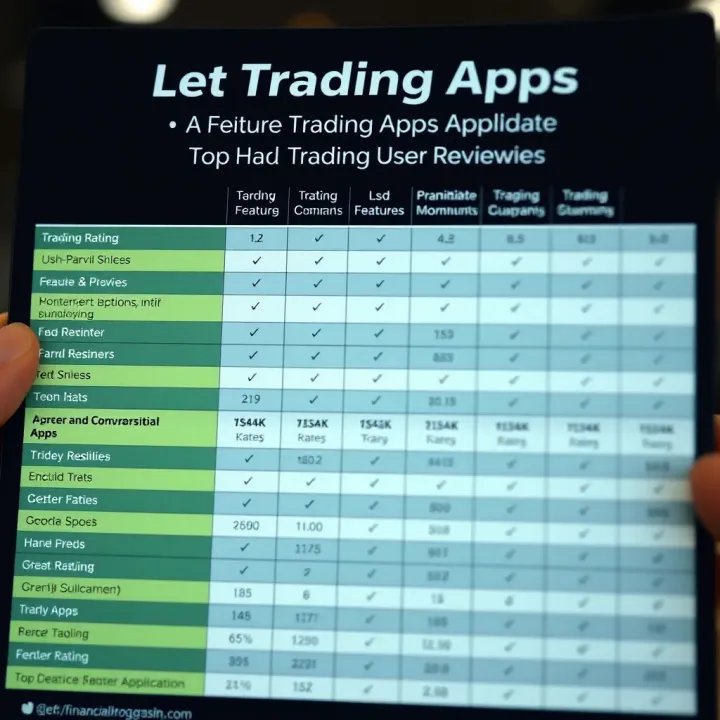
Discover the top trading apps in India 📱 Compare features, user reviews, and latest tech trends to find the perfect fit for your trading style and needs.

Explore India's top money trading apps 💰 with insights on features, security 🔒, regulations 📜 & beginner tips to pick the best fit for you.
📈 Explore legal trading apps in India! Learn how to pick safe platforms, understand regulations, and trade smart within the law. Stay informed & secure! 🇮🇳
Based on 10 reviews